
APHL’s report on association activities during the calendar year.
Contact us: [email protected]
Leading in a time of uncertainty is never easy, and 2025 was unprecedented in its uncertainty. A change in federal executive and legislative power resulted in sweeping, foundational changes to the way APHL did business. APHL staff faced funding cuts across all areas – programmatic and operational – which resulted in a temporary loss of personnel. And yet…the public health laboratory work continued. Learn more.
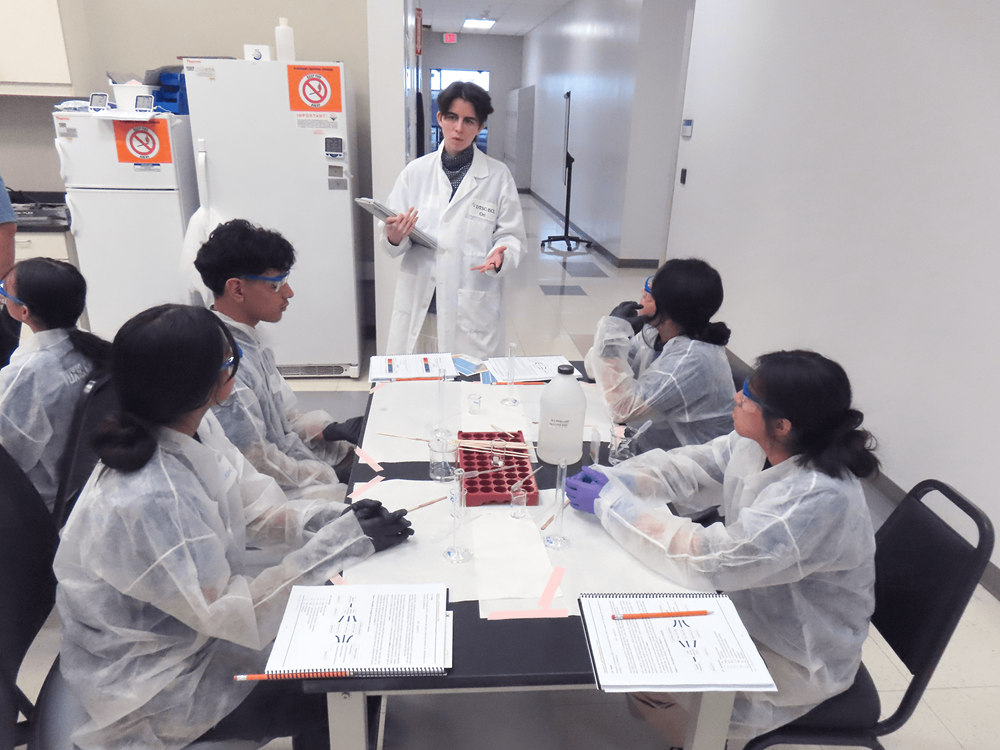
The Wisconsin State Laboratory of Hygiene dove into the Public Health Laboratory Internship Program: an APHL-CDC Initiative, providing 14 interns with valuable insights in environmental and clinical public health work, as well as quality assurance, quality improvement practices and regulatory principles. Learn more.
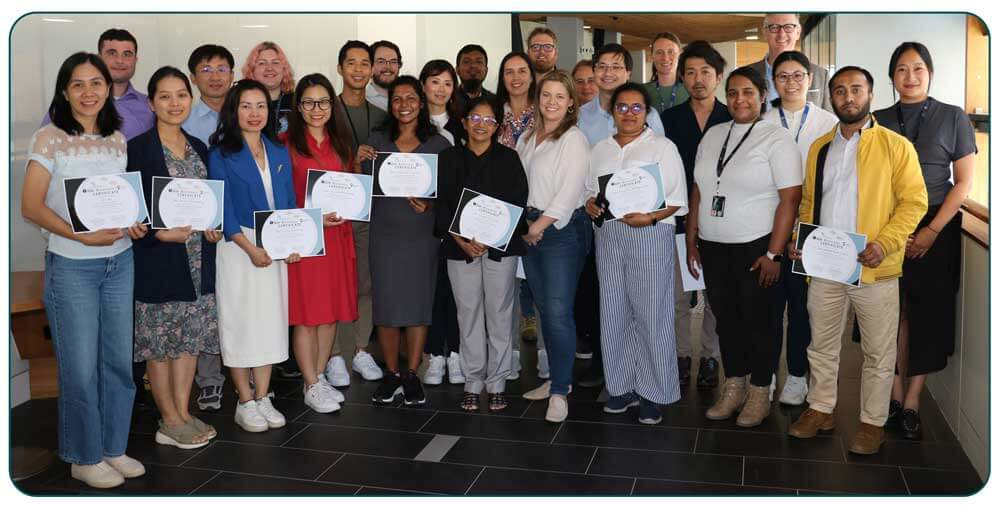
Public health radiochemistry programs protect human and animal health, the food supply and the environment by monitoring, managing and mitigating the effects of radioactive materials—both natural and those originating from human activity. But this highly-specialized workforce is declining. In 2025 APHL and the University of Iowa celebrated the first class of newly-minted radiochemists. Learn more.
For more than a decade, CaliciNet has connected public health laboratories across the US to detect and track norovirus outbreaks. From the beginning, APHL has played a central role in developing and sustaining the CaliciNet outbreak support centers. Learn more.
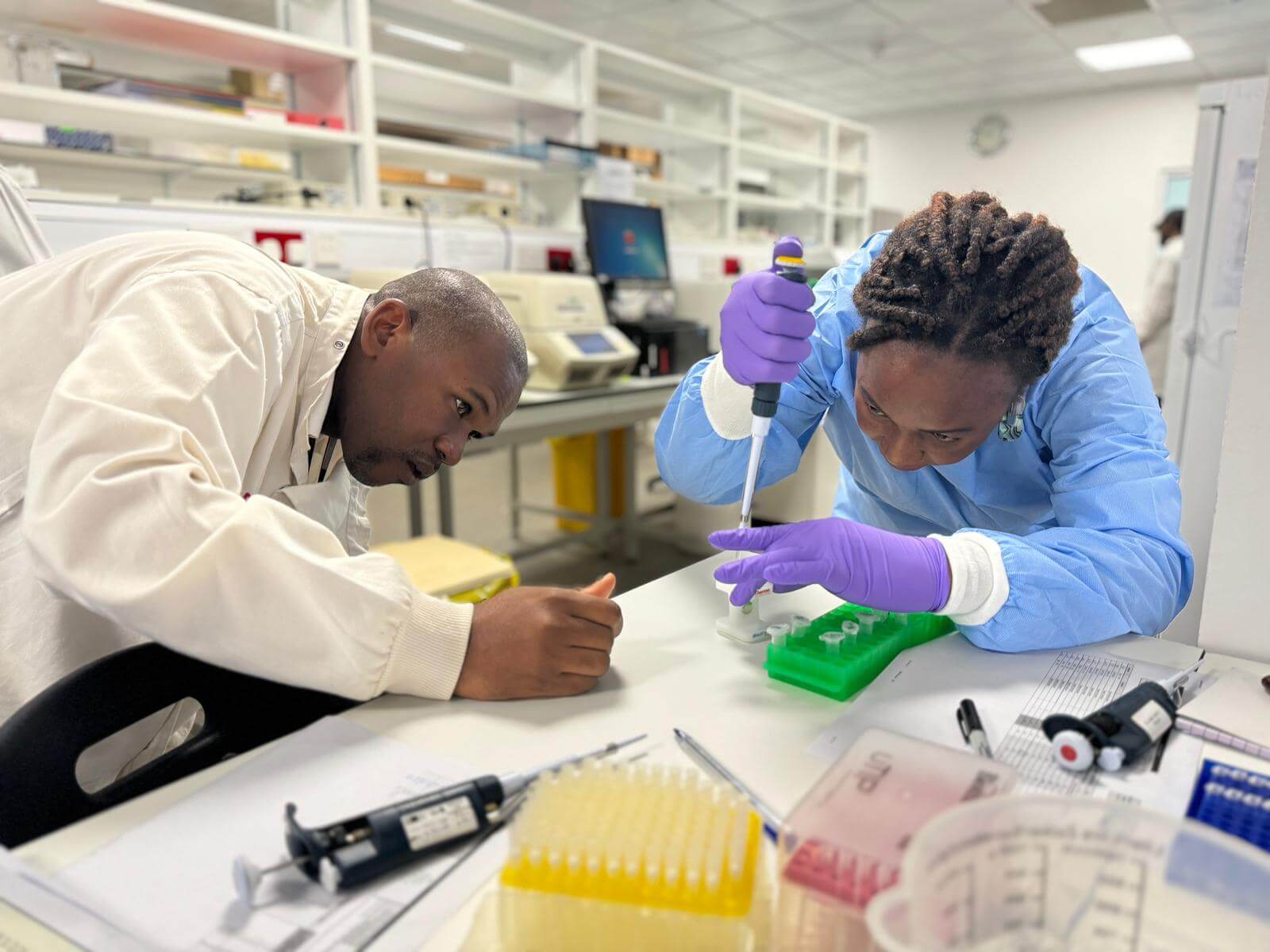
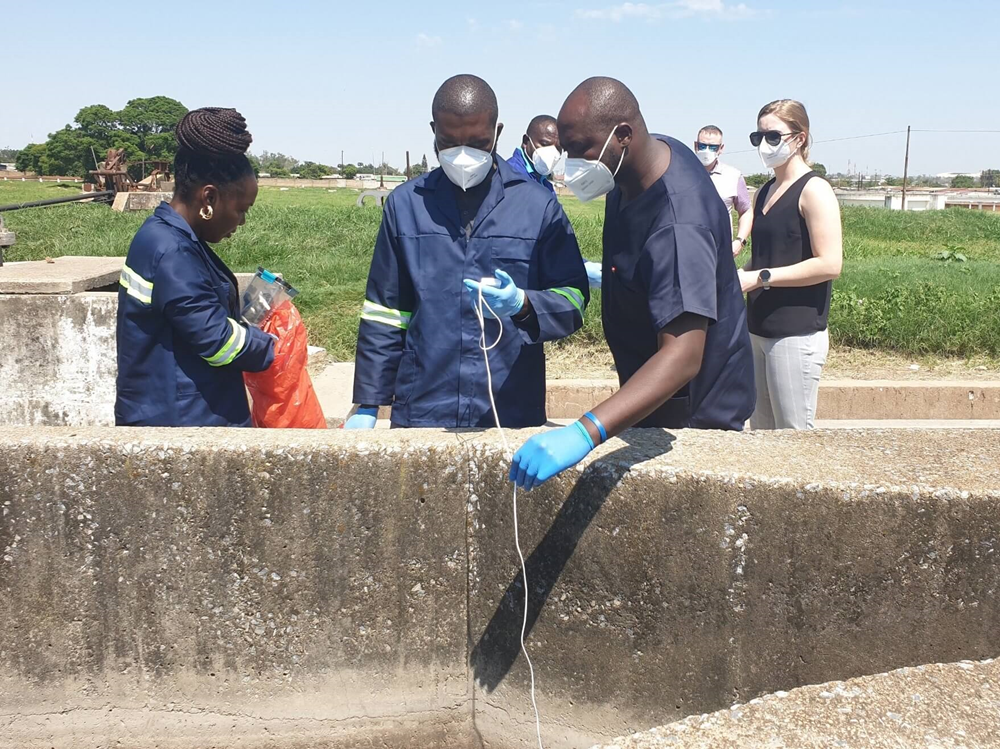
Since 2020, APHL has been a part of a cadre of international public health professionals to provide laboratory services to the Kakuma Refugee Camp in northern Kenya—the largest refugee camp in the world—and the Ammusait Hospital, which where both refugees and host communities seek healthcare services. Learn more.
During APHL’s ID Lab Con 2025, participants gathered to discuss the latest developments on the detection and characterization of infectious diseases of public health concern. Two diseases put state and local public health laboratories on alert: measles in Chicago, IL and Oropouche in Florida. Learn more.
For over two decades the APHL Informatics Messaging Services Platform has been security transporting millions of messages that span the full spectrum of public health data exchange. Instead of resting on its laurels, however, AIMS continues to evolve and is helping jurisdictions meet new interoperability and data exchange challenges. Learn more.
Newborn screening programs are essential to public health, ensuring that infants receive timely diagnoses and interventions for life-threatening conditions. However, persistent workforce challenges threaten their effectiveness and efficiency. The APHL NBS Workforce Subcommittee published its report on the state of the NBS workforce. Learn more.
Biosafety professionals are essential to maintain the safety and security of public health and clinical laboratories. In 2025, APHL delivered a series of technical workshops focusing on foundational biosafety topics to ensure they can meet the rising demands of their roles. Learn more.
The COVID-19 pandemic exposed critical public health laboratory workforce challenges to a newly aware public. But APHL has been gathering insights since 2016. In 2025, APHL published new data for a generational evolution in the laboratory, and beyond. Learn more.
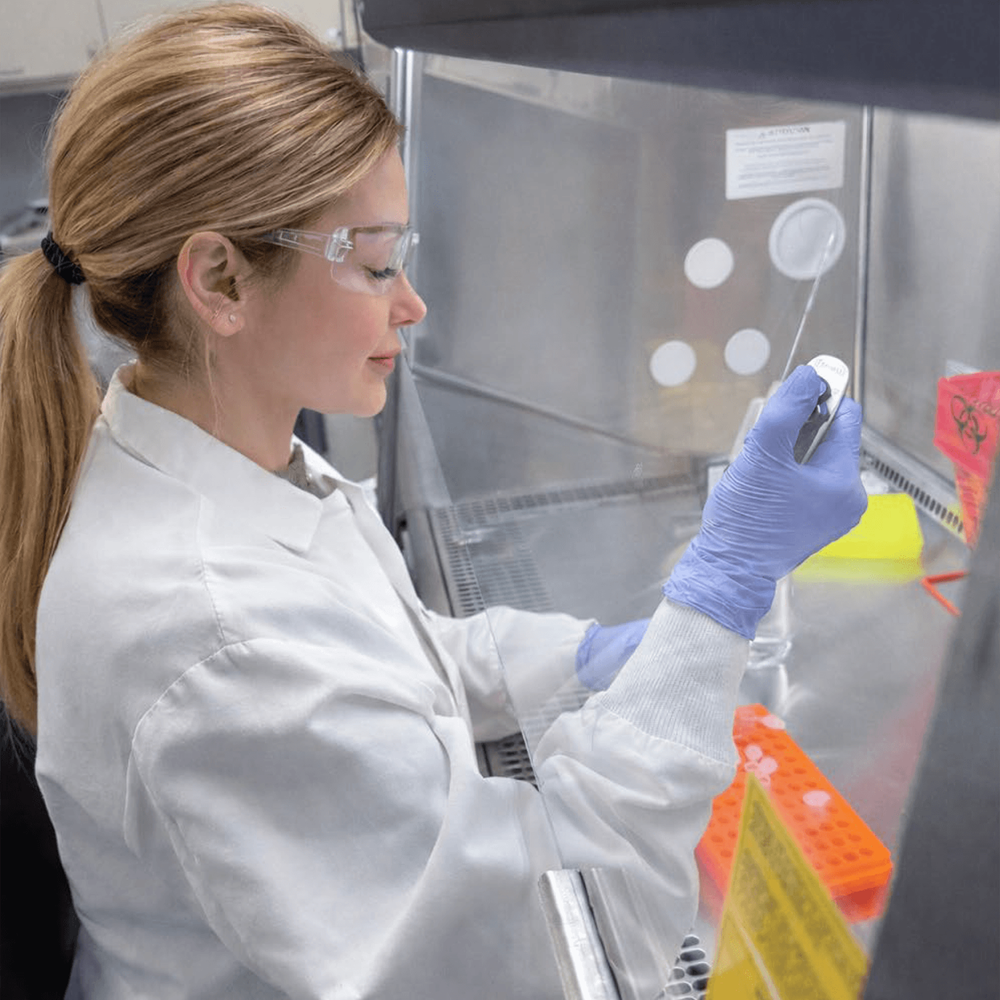
Public health laboratories serve as the backbone of disease surveillance, outbreak response and diagnostic testing. Professionals in these laboratories face immense pressure during public health emergencies to deliver quick results and accurate information in real-time. These high-stakes environments demand not only technical expertise but also emotional and psychological resilience. One of the most effective strategies for fostering resilience among public health laboratory professionals is comprehensive, ongoing training. Learn more.
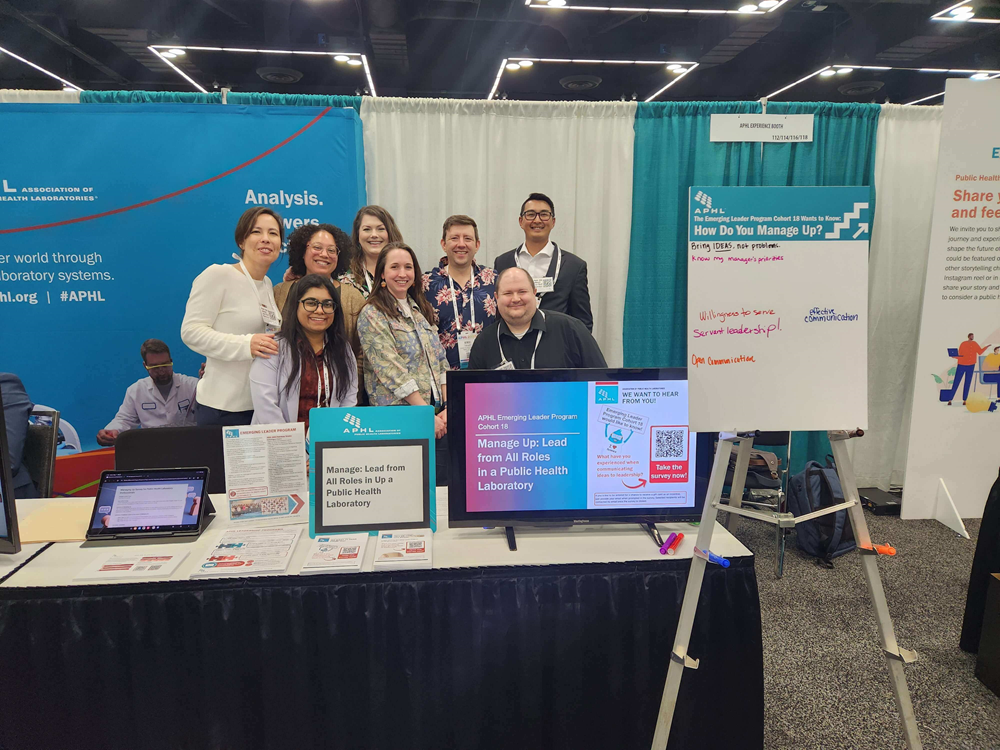
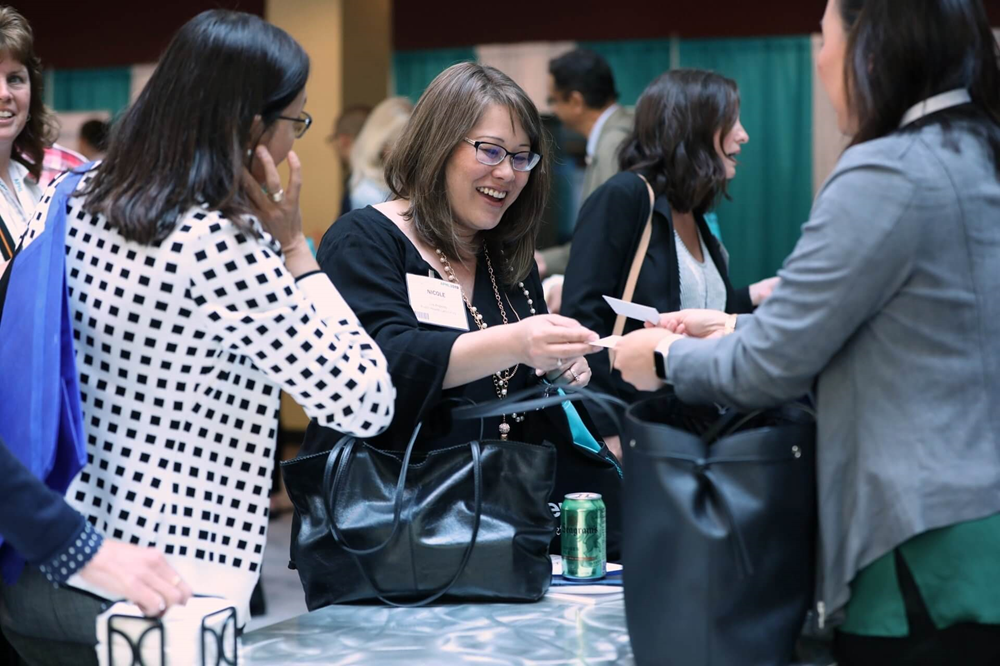
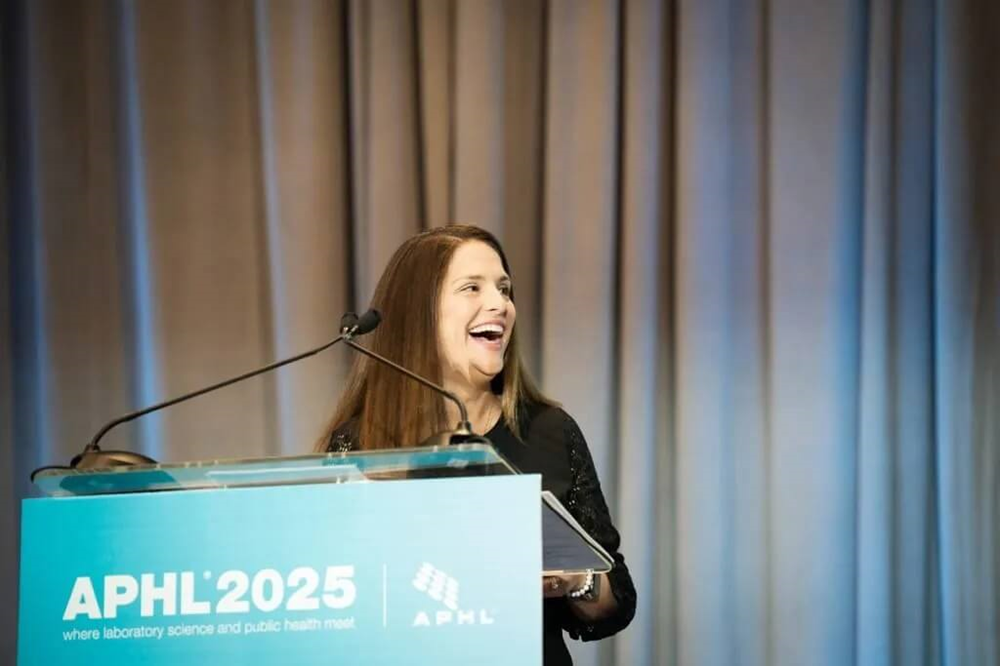
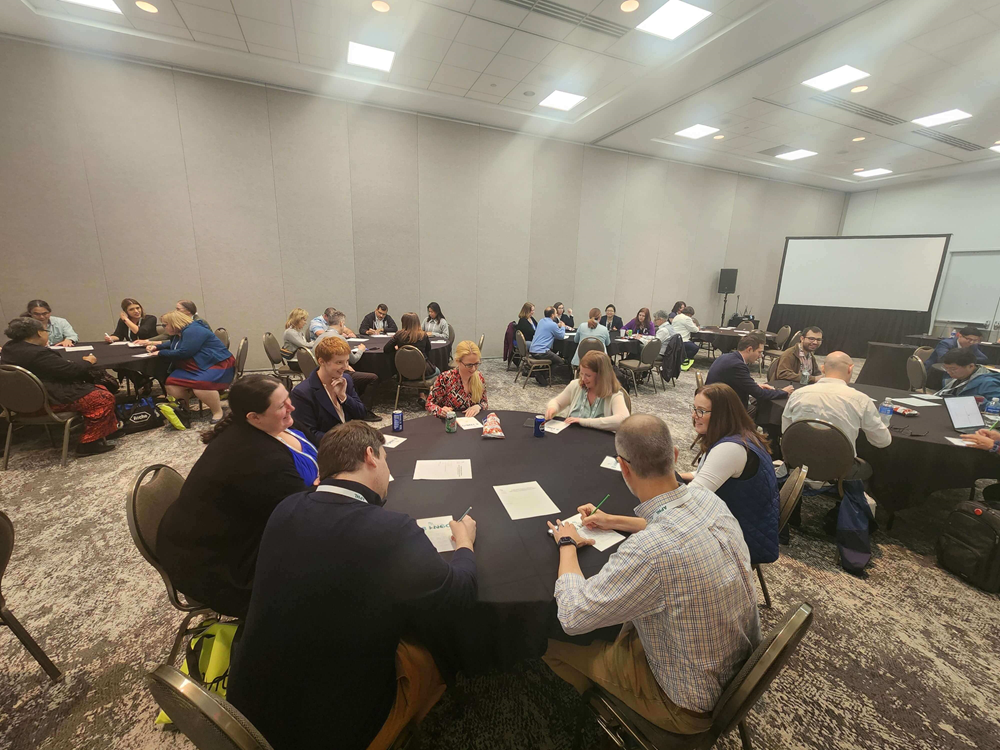
APHL has always been an association where collaboration and education have gone hand-in-hand. In 2025, the association renewed that commitment to its members by standing up a dedicated Conferences and Events team that went on to deliver over 80 meetings and events ranging in size from 12 to 1,200 participants. Learn more.