Vaccine Preventable Diseases

Increased vaccine hesitancy and extensive global travel means the risk of vaccine preventable diseases (VPDs) are never far away. Timely and accurate laboratory testing is critical to monitor disease spread, guide public health responses and prevent serious health complications.

Questions?

Contact the Infectious Diseases team: [email protected]

APHL'S ROLE

Supporting Best Practices in VPD Testing

APHL provides guidance, resources and training to support our public health laboratories in the detection and surveillance of VPDs, such as measles, mumps rubella, pertussis and bacterial pathogens such as Neisseria meningitidis. Public Health laboratories maintain the capability and capacity to perform routine surveillance, diagnostic testing and advanced characterization methods for VPDs in order to monitor for and respond to re-emerging VPDs. Testing methods include culture, antigen detection and PCR, conducted either in-hour or at VPD RCs.

Measles Situational Update

Following a significant impact on public health in 2025, APHL continues to work with the CDC to monitor the measles situation nationwide. APHL continues to provide information on best practices through email, newsletter, National ID Issues Calls and information below. For the latest case numbers visit CDC's page which is updated weekly on Fridays. 

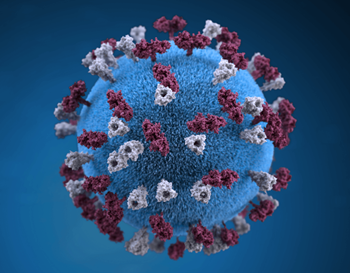
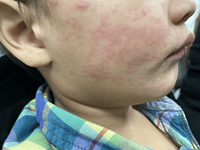
A highly contagious disease, caused by a virus, is characterized by fever, respiratory symptoms and a telltale “morbilliform” body rash. The virus is transmitted exclusively between humans, typically via respiratory droplets, which can remain in the air and on surfaces for hours and vaccination is highly effective at preventing diseases. In 2000, measles was declared eliminated in the US, however in 2025 there were over 2200 cases from 45 jurisdictions with a majority (90%) associated with one of the 48 reported outbreaks (compared to 16 in 2024). The upward trend continues in 2026.

CDC is collaborating with the CDC-funded New England Pathogen Genomics Center of Excellence to test and analyze submitted specimens using a unified sequencing and analysis approach to sequence all measles specimens from 2025. These data will be used to inform our national measles elimination assessment and will be a comparator for validation of alternate approaches to sequencing and analysis.

Resources

While not as frequently in the news, mumps is another highly contagious, viral pathogen with sporadic outbreaks. The most common symptom is swelling of the parotid glands on the side of the face; persons suspected of the disease should have specimens collected and tested immediately.

Fact Sheet
2010

Brochure with a quick guide to laboratory results and answers to testing-related questions.

Infectious Diseases, Viruses
Guide / Guidance
03.11.26

Summary of best practices for laboratory testing.

Infectious Diseases, Viruses

Although rubella is rare in the US, with less than 10 cases per year, it can cause severe complications in pregnancy and in young children. To ensure cases are not missed, APHL works with CDC to increase screening of measles-negative specimens for rubella, given the shared symptoms and risk factors.

Guide / Guidance
2025
Infectious Diseases, Viruses, Disease Surveillance

Pertussis, or whooping cough, is caused by the bacterial pathogen Bordatella pertusiss and there is a resurgence of cases in the Americas. A 2025 alert from the Pan American Health Organization (PAHO) shared concerns about the emergence and spread of antibiotic resistant strains and the need for improved laboratory testing and surveillance. CDC has also compiled information about macrolide-resistant pertussis (MRBP) being reported globally, but thus far it remains rare in the US.

VPD Reference Centers

The Vaccine Preventable Diseases Reference Centers (VPD RC) were established in 2013 in collaboration with CDC to provide diagnostic testing and typing for all public health laboratories. Testing services offered has shifted and changed over time to meet public health need. The following four public health laboratories serve as VPD RCs: 

  • California Department of Public Health—Viral and Rickettsial Disease Laboratory (Contact)
  • New York State Department of Health—Wadsworth Center (Contact)
  • Minnesota Public Health Laboratory Division (Contact)
  • Wisconsin State Laboratory of Hygiene (Contact)

ELIGIBILITY

All US public health laboratories, not currently performing this testing in-house, are eligible to submit specimens to the VPD RC. The specimens must meet the submission requirements outlined in the resources below.

ENROLLMENT

To enroll or if you have questions contact [email protected].

TESTING SERVICES AVAILABLE

The VPD Reference Centers perform molecular testing for seven VPDs (measles, mumps, rubella, varicella zoster virus, Bordetella pertussisHaemophilus influenzae and Neisseria meningitides). See VPD RC Guide below for more details. 

Testing and current submission instructions for S. pneumoniae are available through the AR Laboratory Network.

RESOURCES

Specimen Submission Dashboard

This dashboard provides summary information for specimens submitted to the VPD reference centers for testing and characterization. The dashboard is updated quarterly. To view the dashboard in a larger format, please click the double arrow located in the bottom right of the graphic. 

Informatics Support

APHL supports informatics efforts to enhance data exchange between the VPD RC and CDC through HL7 messaging and delivers technical assistance to the VPD RCs to enable reporting to to federal programs to meet national surveillance goals.

Learn more about Infectious Diseases Messaging

Learn and Grow

VPD News, Events, Training and Webinars

News 

​​​​​​​​​​​​​​​The VPD Newsletter highlights APHL’s work supporting public health laboratories in detecting and surveilling vaccine‑preventable diseases. It provides updates on training, diagnostic methods, quality data exchange, and national efforts to maintain laboratory readiness for re‑emerging threats like measles, mumps, and pertussis. 

View the latest issues of the VPD Newsletter

Infectious Diseases, Environmental Monitoring
By Donna Campisano, specialist, Communications, APHL A vaccine to prevent measles has been available since 1963. And yet this highly contagious disease, characterized by fever, respiratory symptoms and a telltale body rash, is still with us. While...
Infectious Diseases

Archived Webinars

We will explore the rising incidence of pertussis, caused by Bordetella pertussis and the multifaceted public health response required to address this trend.
Infectious Diseases, Respiratory Diseases
Infectious Diseases, Bacteriology

Search All Infectious Diseases Trainings and Events 

Visit the APHL Training Hub to search our training materials, access courses through the APHL Learning Center, and find upcoming webinars via the Event Calendar.

Visit the Training Hub

NEED MORE?

Search all Infectious Diseases Resources