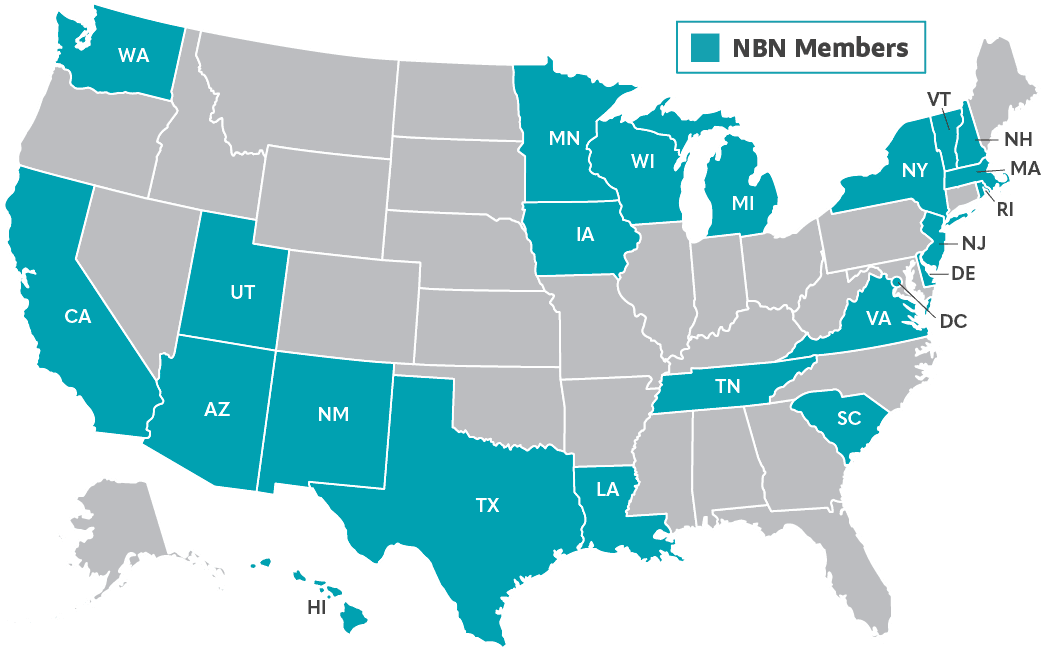
The NBN is currently accepting applications from local, state and federal governmental biomonitoring laboratories integrated into the public health system, and applications are welcomed from laboratories with limited to extensive experience.
Learn more and ApplyNational Biomonitoring Network
The National Biomonitoring Network (NBN) works to advance the science of human biomonitoring to address environmental health questions, ensure quality practices and produce comparable biomonitoring data.
Contact the Environmental Health team: [email protected]
About the National Biomonitoring Network
The NBN is a collaboration of federal, regional, state and local laboratories that conduct biomonitoring for use in public health practice and in response to environmental emergencies. The network aims to advance the science of biomonitoring, encourage its use in addressing environmental health questions, and ensure quality practices, which will help produce comparable biomonitoring data.
National Biomonitoring Network Community of Practice
The National Biomonitoring Network Community of Practice serves as a forum for members of the National Biomonitoring Network to post questions and answers, access resource materials, and interact with others in the community about biomonitoring. Membership is limited to staff at laboratories that are members of the National Biomonitoring Network.
National Biomonitoring Meeting
Designed for members of the National Biomonitoring Network scientists working in federal, state and local public health laboratories, the National Biomonitoring Meeting is an in-person meeting held biannually to address exposure to emerging environmental contaminants, analytical methods for biological samples, biomonitoring study design, environmental public health tracking, findings from state biomonitoring programs and more. The 2024 National Biomonitoring Meeting was held in Honolulu, Hawai’i.
NBN Steering Committee
The NBN is led by a steering committee of experts in epidemiology, toxicology, analytical chemistry, occupational health, data analysis, risk communication and public health policy, which guides the development and implementation of the network.
Learn more about the steering committee members below:
Antonia Calafat
Chief, Organic Analytical Toxicology Branch
Co-chair
Calafat leads CDC’s biomonitoring programs related to pesticides; polycyclic aromatic hydrocarbons; flame retardants, including polybrominated diphenyl ethers; persistent organic pollutants (e.g., per- and polyfluoroalkyl substances; polychlorinated dibenzo-p-dioxins, furans and biphenyls); and chemicals added to consumer and personal care products (e.g., phthalates, bisphenol A, triclosan, parabens). She fosters fruitful collaborations with leading exposure scientists, toxicologists, epidemiologists and other health scientists. Before joining CDC, Calafat was a Fulbright Scholar and earned her doctorate in Chemistry from the University of the Balearic Islands in Spain.
Carin Huset
Research Scientist
Co-chair
Henry Anderson
Professor
David Balshaw
Branch Chief
Heidi Bojes
Environmental Epidemiology and Disease Registries Director
Zhihua (Tina) Fan
Director of Environmental and Chemical Laboratory Services
Brad Goodwin
Lieutenant Commander
Deputy Director
Danelle Lobdell
Environmental Health Scientist (Epidemiologist)
Marc Nascarella
Associate Professor
Julianne Nassif
Senior Director of Environmental Health
Ex-officio
Patrick Parsons
Director Division of Environmental Health Sciences
Professor of Environmental Chemistry
Jessica Reiner
Research Chemist, Group Leader