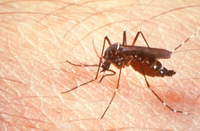
Vector-borne diseases (VBDs) can be difficult to diagnose based on their symptoms, so laboratory testing is crucial for both patient management and to prevent further transmission. APHL develops and provides guidance, trainings and educational opportunities to support laboratory professionals in strengthening VBD testing capacity.
Supporting Best Practices in Vector-borne Diseases Testing
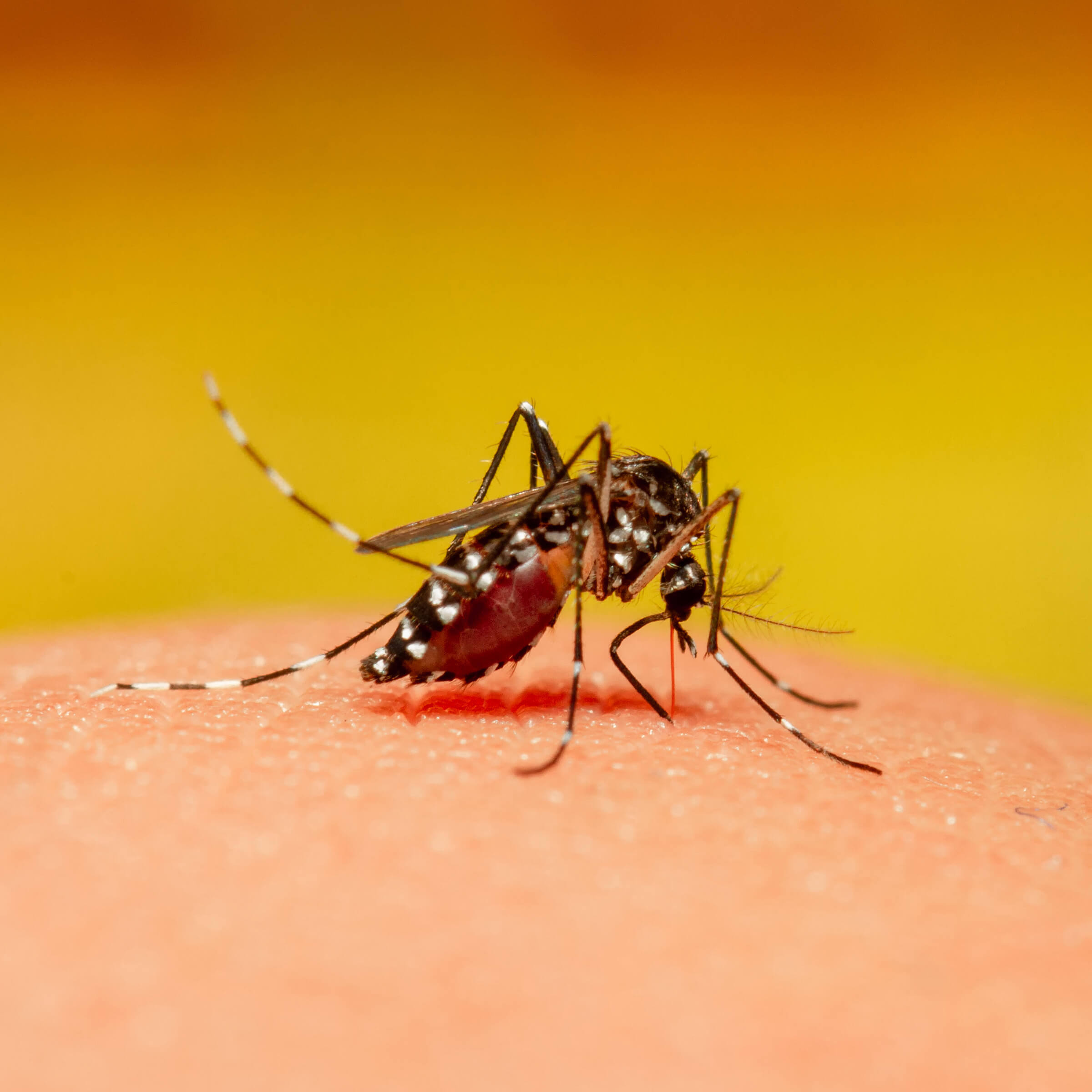
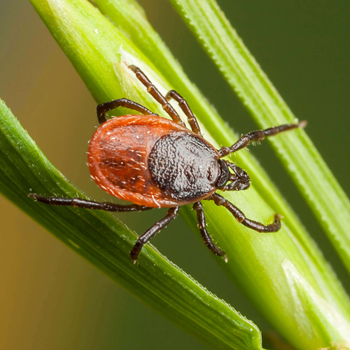
Vector-borne diseases (VBD) are viruses and bacteria spread by vectors, such as mosquitoes, ticks and fleas, and they can cause a variety of illnesses in humans. The vectors ingest the microorganisms from an infected host and transmit to a new host through a bite. Public health laboratories are integral to performing high quality testing for VBDs to assess regional disease burden and inform the nation's response to vector-borne diseases.
Essential Laboratory Capabilities for Arbovirus Testing in the United States
This important document defines five essential capabilities for laboratories to have or assure for basic or enhanced arbovirus testing programs. It also includes a tool designed to aid laboratories in identifying key jurisdictional partners for communication and planning needs as well as a testing needs assessment template which can be used to define current testing practices and gaps.
APHL in collaboration with CDC's Division of Vector-Borne Diseases established a a Reference Center for Arboviral Disease Testing to offer high-quality testing for US public health laboratories (PHLs) at no charge. This testing is meant to be complementary to testing still available at CDC including all serology (IgM and PRNT) for endemic arboviruses (excluding Heartland virus and Bourbon virus), dengue virus (molecular and serology) and PRNT for many arboviruses.
New York State Department of Health-Wadsworth Center is serving as the testing laboratory and all submitters must follow their instructions regarding electronic test ordering and specimen requirements. To submit samples PHLs must be enrolled in the Health Commerce System (HCS) and have access to the Clinical Laboratory Information Management System (CLIMS) Application. For more details see Shipping and Submission Instructions below.
If you are not sure whether to send to the Arbovirus Reference Center or CDC for testing you may contact APHL or CDC’s Division of Vector-borne Diseases-Arboviral Diseases Branch Epidemiologists at: [email protected]
What We're Monitoring
VBDs on Our Radar
Currently, APHL is monitoring a few VBDs of public health concern with increasing cases globally. Domestically, these viruses are predominantly seen in travelers returning to the US. Some local transmission can and has occurred and public health laboratories need to be prepared.
Chikungunya virus (CHIKV) activity is increasing internationally and we are working with federal partners to monitor for local transmission in the US. CDC has recently issued travel health notices for a number of locations. Visit Travel Health Notices for the most updated information.
State and local public health laboratories diagnose suspected dengue cases through molecular methods and serology, including PRNT. There are five FDA-cleared (or EUA-authorized) tests available; two nucleic acid amplification tests (NAAT) from CDC Trioplex Real-Time RT-PCR Assay (EUA) and CDC DENV 1-4 rRT-PCR Multiplex Assay (510K), two serologic assays from InBios International-IgM ELISA and NS1 ELISA and the BioFire global fever panel. The CDC NAAT methods are currently available to public health laboratories ([email protected]), while the other assays are commercially available. Commercial laboratories also offer testing for DENV.
Oropouche Virus
Following a number of US-based cases of oropouche virus (OROV) in 2024-2025, CDC and a few public health laboratories have implemented in-house testing capacity to detect OROV in suspected cases (molecular or PRNT). APHL and ASM developed an FAQ about Laboratory Testing for Oropouche virus.
Within a matter of weeks this summer, two individuals on opposite coasts tested positive for malaria. What’s behind these locally acquired cases? And what are labs doing to detect malaria?
The bite of the tiny midge can pack a big punch. That’s because midges can carry the virus Oropouche, which is endemic in certain parts of the world and is spreading, including into the US. What one public health laboratory is doing to stay prepared.
By Donna Campisano, specialist, Communications, APHL Roughly half the world’s population—or about four billion people—live in areas where dengue, a viral infection typically spread through the bite of infected Aedes species mosquitoes, is a major...
Search All Infectious Diseases Trainings and Events
Visit the APHL Training Hub to search our training materials, access courses through the APHL Learning Center, and find upcoming webinars via the Event Calendar.