Food Safety Overview

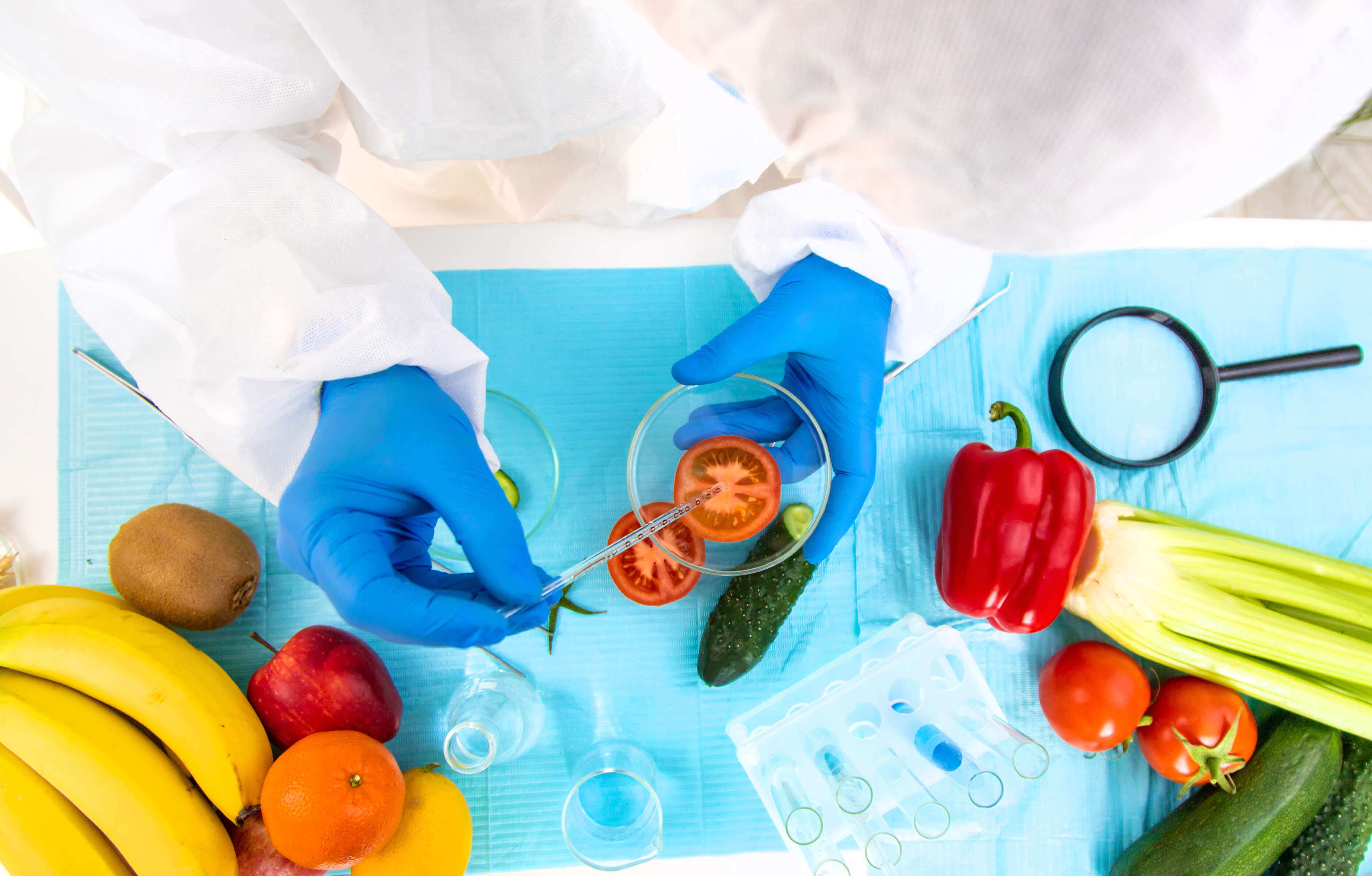
APHL advances food safety by increasing the competence of scientists, improving the capabilities of member laboratories and strengthening the credibility of results generated by food testing laboratories for public health action. 

Questions?

Contact the Food Safety team: [email protected] 

APHL FOOD SAFETY STRATEGIES

Supporting a Robust Laboratory System

APHL promotes the role of state and local public health laboratories and agricultural laboratories in the detection and characterization of foodborne hazards. APHL works with member laboratories to ensure robust surveillance and outbreak detection and prevention activities. APHL advances laboratory practice by:

  • Increasing the competence of laboratory staff
  • Improving the capabilities of member laboratories
  • Strengthening the defensibility of results.

APHL achieves these goals by working w​ith federal partners at the US Centers for Disease Control and Prevention (CDC)US Food and Drug Administration (FDA) and the US Department of Agriculture Food Safety and Inspection Service.

APHL supports members who participate in PulseNet, GenomeTrakr, CaliciNet and CryptoNet​ to ensure robust surveillance of key foodborne pathogens. Through training and technical support, we enhance laboratory capacity, ensuring the timely submission of high-quality data to national surveillance databases. We also support the transition and adoption of next generation sequencing and analysis methods and assist with implementation and troubleshooting issues raised by our member laboratories.

Robust molecular surveillance is essential for early detection and prevention of enteric disease outbreaks. Programs like PulseNet and GenomeTrakr have demonstrated significant returns on investment by enhancing our ability to trace and respond to foodborne pathogens. By investing in and expanding such molecular surveillance initiatives, we can better protect public health and mitigate the impact of enteric diseases.

Working through the Council to Improve Foodborne Outbreak Response (CIFOR), APHL maintains a strong role in enhancing communication and collaboration across the disciplines involved in investigating foodborne illness outbreaks. We have led the production of several tools and resources, including the Food Safety Programs Reference Guide. We encourage food safety professionals to contact us about hosting CIFOR Toolkit Workshops to motivate, train and enable multi-disciplinary teams to improve “boots on the ground” processes within a jurisdiction.

APHL, in collaboration with FDA's Office of Training Education and Development and a team of subject matter experts, has created a competency-based curriculum framework for human and animal food laboratory professionals. This career-spanning framework includes four professional levels (entry, mid, expert and director) and delineates the content areas where laboratory professionals must demonstrate knowledge, skills, abilities, behaviors and attributes to perform their roles effectively. The curriculum framework supports training development, career advancement, competency assessment and the cataloging of existing training resources. Currently, competency-based training courses to address knowledge gaps and enhance the workforce readiness can be found in the APHL Learning Center.

This is all part of FDA's IFSS Regulatory and Laboratory Training efforts to equip the workforce with the essential competencies for effective job performance.

APHL and our members recognize that for laboratory data to fulfill its purpose, it must inform regulatory policy and actions, be viewed in the context of on-going disease, and be available as the basis for population-based burden of illness studies and trends analysis. APHL has led the development of several resources intended to support the defensibility of laboratory data.


APHL MEMBER LABORATORY IMPACT

Protecting Us from Foodborne Hazards

Food Safety laboratories are governmental and clinical laboratories that conduct testing to ensure the safety of our nation’s food supply and are fundamental to our nation’s ability to prevent, detect and respond to outbreaks of foodborne illness. 

These laboratories vary in name and capability. They may be called “agricultural,” “public health,” “clinical” or “food” laboratories. They may test food products at the retail, manufacturer and farm level as well as human specimens when a foodborne illness is suspected. They may also be tasked to test environmental samples such as soil, water, swabs or sponges to determine sources of outbreaks or to show sanitation efforts were successful.

Hear From Us

Communications and Publications

Stories From the Field

Read the latest stories about food safety laboratory science in action from APHL’s Blog and Lab Matters Magazine.

Technical Publications

APHL produces a host of technical publications to inform or guide laboratory work, including reports, guidance, survey data, fact sheets and toolkits.

Explore our food safety resources

Learn With Us

Trainings and Webinars

Visit the APHL Training Hub to search our training materials, access courses through the APHL Learning Center, and find upcoming webinars via the Event Calendar.

Visit the Training Hub

Join Us

Events and Communities

Events and Meetings

Visit the APHL Events Calendar for all upcoming events and webinars, and learn more about our standing food safety events below.

The annual GenomeTrakr Meeting is an invitation-only event that brings together laboratories, industry, academia and federal partners to discuss best practices, common challenges, and how to utilize data collected during foodborne outbreak investigations. 

APHL Committees

Learn more about the work APHL and our members are doing to propel food safety science forward, and how to join us:

Find Your Community

APHL’s ColLABorate Online Communities provide an opportunity to connect with others working in the same field or with similar areas of interest. Email us to learn more about joining one of our communities: