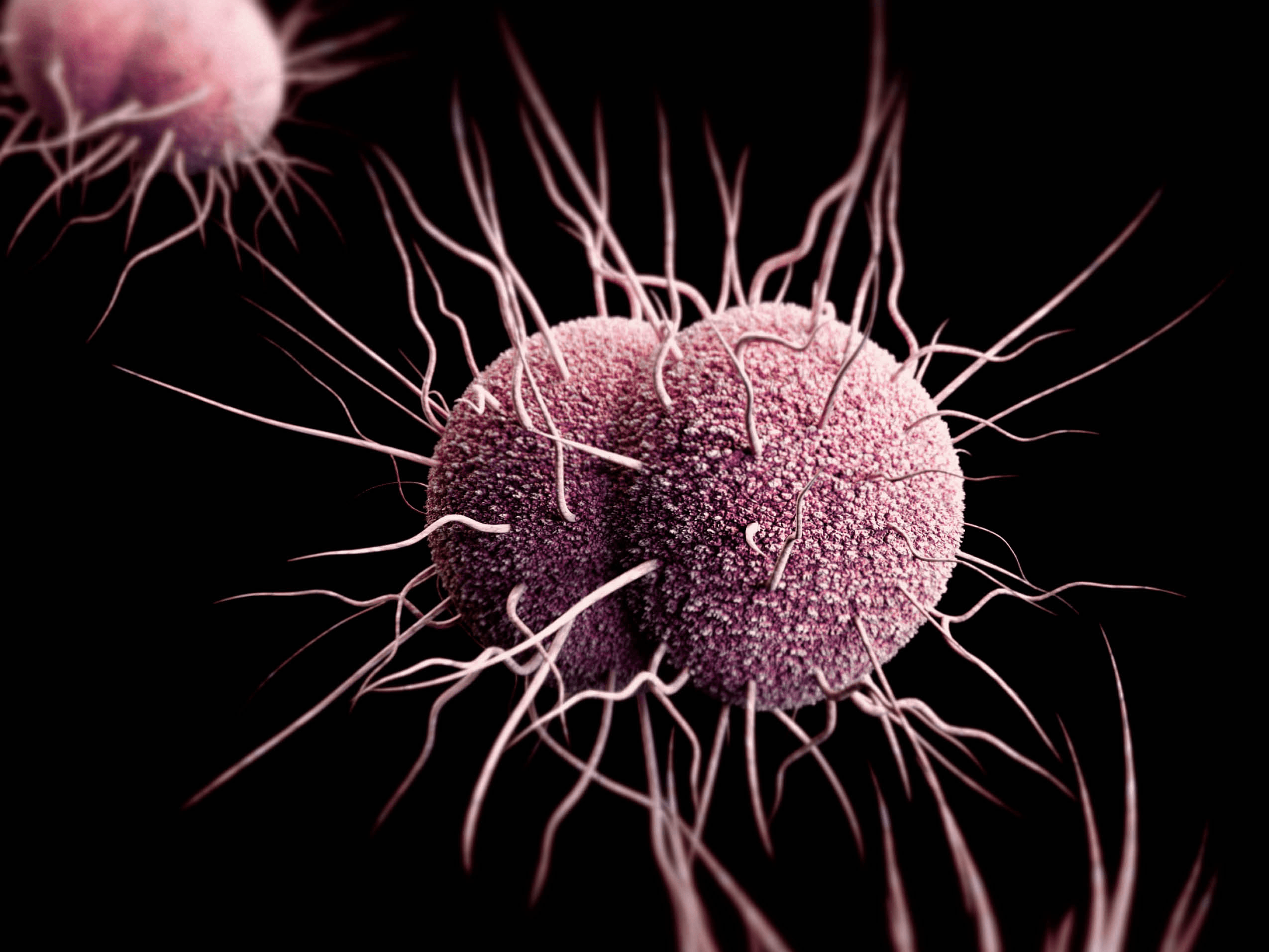

Chlamydia trachomatis—the causative agent of Chlamydia infection—and Neisseria gonorrhoeae—the causative agent of gonorrhea—cause a significant burden of disease globally. Of particular concern, gonorrhea has progressively developed resistance to the antibiotic drugs prescribed to treat it, severely limiting available treatment options. Further resistance will significantly complicate the ability of providers to treat gonorrhea successfully. For this reason it is critical to maintain the capability to monitor and detect emerging drug resistance in N. gonorrhoeae.
APHL, CDC and numerous subject matter experts convened to review the latest available evidence for laboratory and point-of-care testing for Chlamydia trachomatis and N. gonorrhoeae. The outcomes of that review were published in 2026.
2014 CDC Testing Guidelines for CT and GC
This document provides an updated resource to help laboratories select the most appropriate specimen transport systems and processes for effective culture of Neisseria gonorrhoeae.
This document discusses various N. gonorrhoeae testing methodologies, and possible reasons why test results may be different than expected.
This course will provide an overview of the basics of the gonorrhea, provide an overview of AST for N. gonorrhoeae, and provide clear instructions for proper setup and interpretation of Etest® for N. gonorrhoeae.
A description of language for laboratory professionals, clinicians, healthcare workers, and other professionals to use when reporting results from the two most commonly used syphilis serologic testing algorithms for Treponema pallidum infection.
This series of three courses focuses on Syphilis diagnostic testing. The sessions include: Background and History, Serologic Assays and Algorithms and case studies
This course will inform on the procedure used to perform manual Rapid Plasma Reagin, or RPR, testing (both qualitative and semi-quantitative), result interpretation, reporting and additional testing considerations
Mycoplasma genitalium (MG or MGen) is a small bacterium that has been strongly and consistently associated with non-gonococcal urethritis (NGU). M. genitalium belongs to the bacterial class, Mollicutes, which lack cell walls, making them inherently more resistant to antibiotics that target cell wall synthesis and up to 50% of M. genitalium isolates are resistant to azithromycin.
This document summarizes facts about M. genitalium, a bacterium that is associated with a variety of symptomatic and asymptomatic infections.
Summary of results from most recent survey of public health laboratories on testing for Mycoplasma genitalium.
An overview of current information about Trichomonas vaginalis: clinical information, epidemiology, diagnostic tools, screening and treatment, and diagnostic assays.