
Beyond the Smoke: Emergency Coordination and Environmental Testing Response to the 2025 Los Angeles Fires
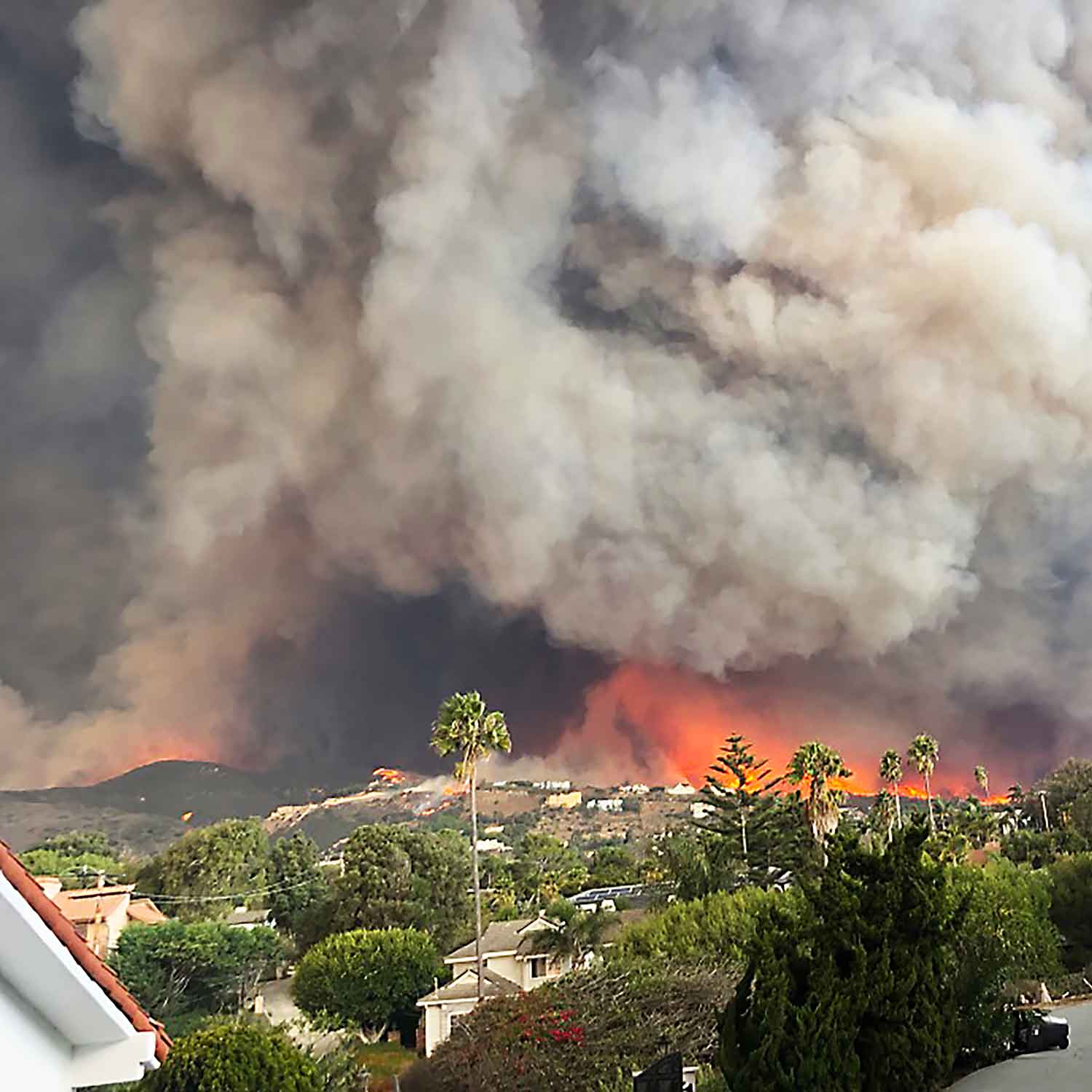
Major United States disasters in the first half of 2025 marked the costliest six-month period on record, causing more than $100 billion in damages. Among these events were the devastating wildfires that swept through Los Angeles, California, in early January 2025. Impacts included fatalities from both direct fire-related losses and indirect impacts on the region’s health and emergency response systems.
The role of interagency environmental testing during one of the worst disasters in the state’s history was paramount. Coordinated measurements demonstrated an optimized model for public health laboratory response. In the immediate post-fire response, standardized testing from various agencies enabled rapid assessment of potential exposure risks, guided emergency cleanup and informed protective public communications. Exploratory testing helped increase understanding of what substances were left after the fire to inform future planning.

A Multi-hazard Environment
The Los Angeles wildfires created overlapping risks, combining fire devastation with potential environmental and public health threats across air, water, soil and indoor dust. The fires released soot and burned building materials, degraded air quality with increased airborne particulate matter (PM) and metals, and potentially impacted soil, drinking and recreational waters with fire-related runoff.
The defining challenge was to rapidly prioritize and test diverse, time-sensitive samples under pressure. As such, the California response exemplified adaptive, high-impact public health response.
Coordinated Laboratory Response
Several task forces were formed by local, state and federal partners to assess these risks. Environmental and public health teams provided technical expertise on a range of measurements, including air, soil and water quality, vector control, worker safety, toxicology and hazardous materials cleanup. This collaboration underscored the critical connection between scientific analysis, laboratory capacity and public health guidance, particularly in the immediate aftermath of the fires.
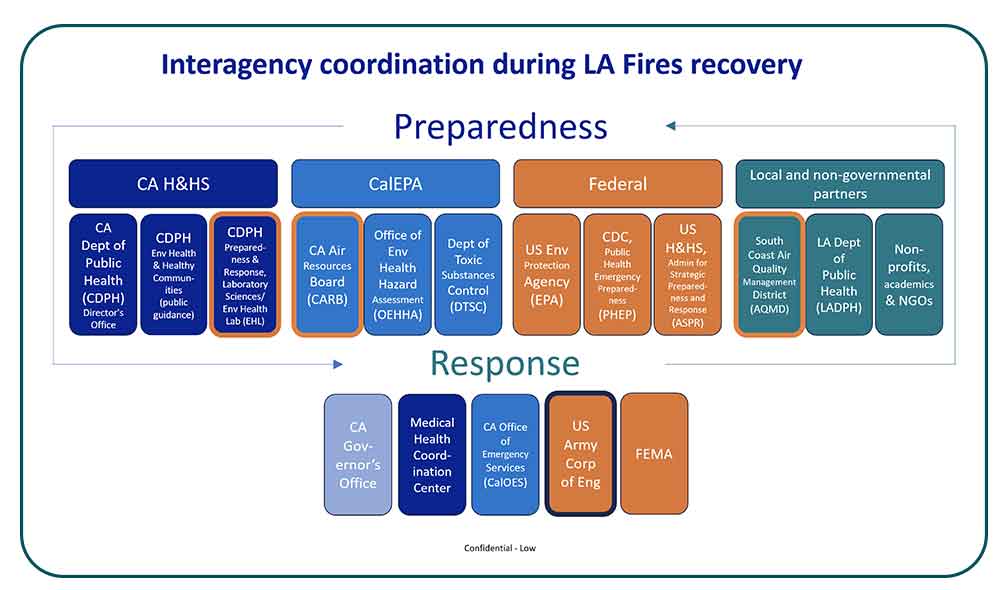
Figure 1. Interagency coordination during the LA fires recovery.
California agencies (Figure 1) conducted analysis of air samples, ash and indoor dust to assess chemical risks and unique fire signatures. This included standardized testing to monitor for PM and airborne metals by the South Coast Air Quality Management District, the California Air Resources Board and the US Army Corp of Engineers, as well as exploratory methods to better understand potential additional pollutants conducted by the California Department of Public Health Environmental Health Laboratory. Some smoke and ash chemical risks can be determined by comparing to established standards like outdoor
PM and lead, while others are not as well understood, especially indoors. These results were discussed by diverse partner teams, including the California Office of Environmental Health Hazard Assessment, the US Environmental Protection Agency and the Los Angeles Department of Public Health to determine their potential impact on public health. The standardized testing supported wildfire recovery efforts and public guidance, while continued exploratory testing will inform future public health planning and environmental monitoring. Such exploratory testing adds to the collective knowledge of what exposures may be present as the science evolves on what such exposures may mean for health.
Optimizing Future Emergency Response
Timely response in the Los Angeles fires was only possible through prior strategic interagency collaboration. The Public Health Assessment Unit within the Incident Command Structure successfully integrated the various agencies into the response and ensured that sampling methodologies and action levels were appropriate to inform public health decisions. These complementary partnerships were fostered by effective capability recognition of the various entities. Local expertise and leadership was essential.
With wildfires transitioning from seasonal threats to year-round public health emergencies, the coordinated response by the California environmental and public health teams provides a vital blueprint for how laboratories can adapt to this new reality. Through standardized testing, timely data interpretation, continued development of testing methods and close interagency collaboration, laboratories helped protect communities from potential risks and strengthened the foundation for future emergency response. Public health laboratories nationwide should build upon these lessons to strengthen preparedness infrastructure and deepen cross-sector partnerships, ensuring that scientific expertise remains at the center of emergency response.
The findings and conclusions in this article are those of the authors and do not necessarily represent the views or opinions of the California Department of Public Health or the California Health and Human Services Agency.
What is PM2.5?
Oregon's SensOR™ Module
Oregon Department of Environmental Quality
Each year, Oregonians face increasing risks from wildfire smoke. To improve geographic data coverage and provide the public critical and timely information, Oregon Department of Environmental Quality (DEQ) developed the SensOR™ module, a low-cost monitoring solution. Many commercially available, compact low-cost sensor solutions have advantages, but don’t necessarily serve Oregon DEQ’s requirements for air monitoring. To solve these problems, DEQ developed the SensOR™ module for measuring PM2.5 based on DEQ's expertise with monitoring wildfire smoke and historical data. SensOR™ distinguishes itself from most commercial products by integrating with commercial data acquisition software, providing active airflow, controlling humidity to reduce measurement artifacts, and it is adjusted by DEQ for regional wood smoke measurement artifacts. These features enabled DEQ to double the size of its monitoring network and provide data to the public for decision making.