.png?sfvrsn=a4dc1c5f_6)
Dengue Is on the Rise. Here’s What to Know Now
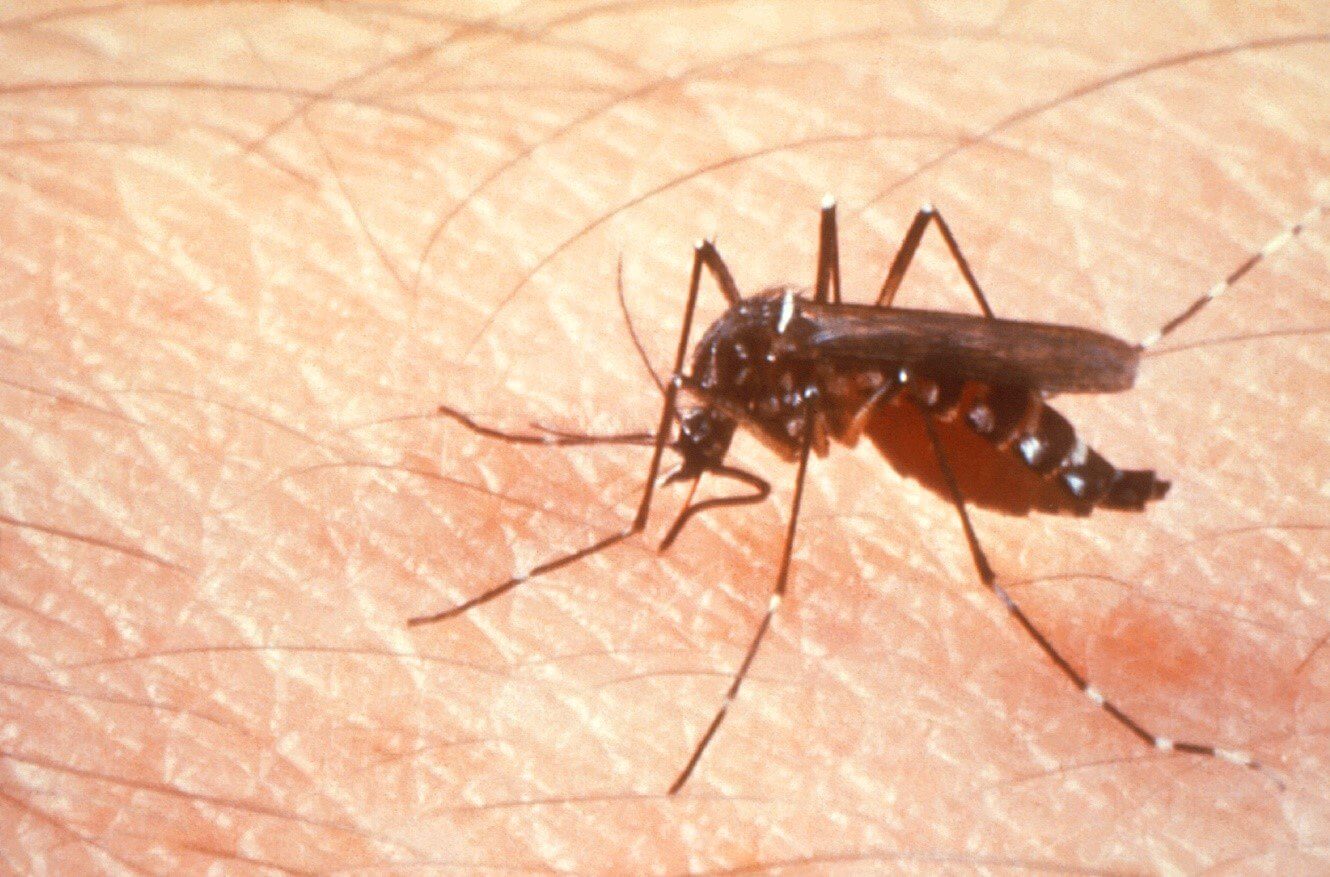
Roughly half the world’s population—or about four billion people—live in areas where dengue, a viral infection typically spread through the bite of infected Aedes species mosquitoes, is a major concern. Many people with dengue are asymptomatic, but about one in four people infected with the virus will get sick, sometimes seriously, reports the Centers for Disease Control and Prevention (CDC).
Dengue, characterized by high fever, muscle aches, nausea and rash, is being reported in record-breaking numbers and has increased 30-fold in the last 50 years. According to CDC, global incidences of dengue have been the highest on record in 2024. Countries in the Americas have been particularly hard hit, reporting twice as many cases in the first few months of 2024 than all of 2023.
The US isn’t immune, either. Puerto Rico, with over 1,000 cases, has declared a public health emergency. The overwhelming majority of states report cases, with Florida leading the pack at over 200. Most cases in this country, says CDC, are related to travel where dengue is common.
What’s behind the unprecedented surge in dengue? The World Health Organization points to several factors, including the spread of the mosquitoes that carry the virus, weather phenomena like El Niño and increased humidity and rainfall (the kind of environment mosquitoes thrive in). With dengue on the rise, it’s important to arm yourself with the latest information. Here’s what you need to know.
- There are four different but closely related dengue viruses, called serotypes (DENV-1, DENV-2, DENV-3 and DENV-4). Once you’re infected with one serotype, the body builds immunity to it. But you can still be infected with the other serotypes of dengue.
- Dengue is transmitted between humans primarily through the bites of infected mosquitoes. Mosquitoes get infected when they bite humans with the virus and then spread it to the next person they bite. Preventing mosquito bites is key to preventing dengue.
- Dengue outbreaks are cyclical and occur every two to five years, says CDC.
- About one in 20 people will have severe dengue, which can result in shock, internal bleeding (thanks to the leaky or damaged blood vessels that dengue can cause) and even death. Symptoms that require immediate medical attention include vomiting blood or having blood in the stools; bleeding from the nose or gums; and vomiting more than three times in 24 hours. According to CDC, these warning signs of severe dengue occur 24-48 hours after fever—one of the hallmark symptoms of dengue—subsides.
- There is no treatment for dengue other than managing symptoms.
- Protecting yourself from mosquito bites is your defense against dengue. Experts recommend removing standing pools of water where mosquitoes can breed and wearing insect repellent and long pants/sleeves when outdoors.
Early laboratory detection is crucial to identifying dengue outbreaks early and instituting mitigation strategies. State and local public health laboratories diagnose suspected dengue cases through molecular or serologic methods. Association of Public Health Laboratories (APHL) works with CDC and public health laboratories to promote best practices, develop guidance and provide important laboratory trainings related to dengue and other commonly found vector-borne diseases in this country.