.png?sfvrsn=a4dc1c5f_6)
How Public Health Laboratories and Federal Partners Uncovered a Multistate Outbreak of Dangerous Salmonella Infections
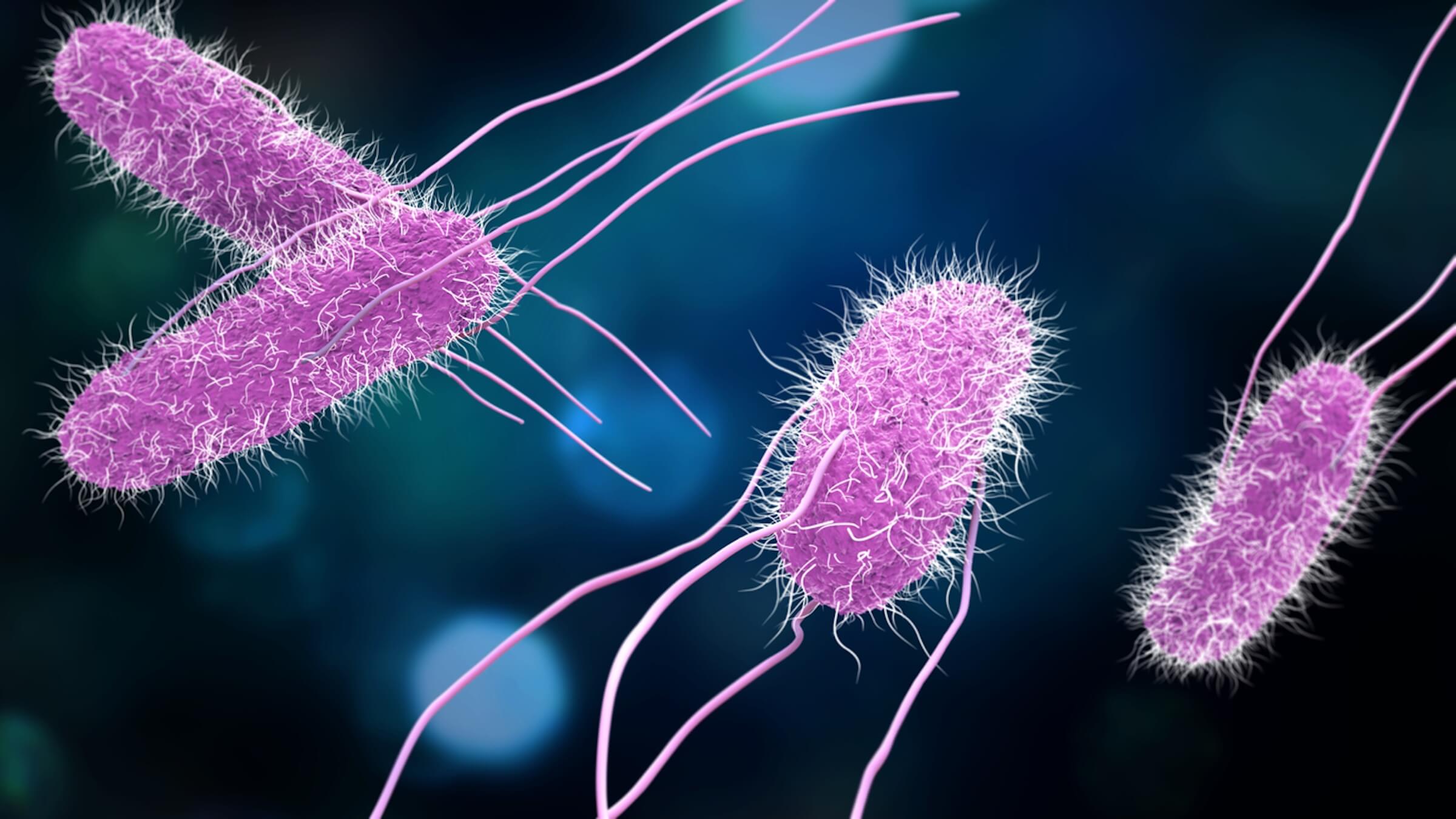
Between November 2025 and January 2026, seven people in seven states (as of this writing) became ill with an extensively drug-resistant strain of Salmonella Newport. Three of the people were hospitalized, and the US Centers for Disease Control and Prevention (CDC), which is helping to investigate the outbreak, reports that the true number of people sickened is likely much higher.
All the reported illnesses were traced to certain lots of Rosabella-brand moringa powder capsules. Moringa powder is a dietary supplement rich in nutrients and antioxidants. Another, unrelated, Salmonella outbreak linked to moringa powder sickened 97 people in 32 states from August 2025-January 2026.
While most people recover from a Salmonella infection without antibiotics, those infected with the strain linked to the Rosabella moringa powder would have limited choices if an antibiotic were needed. In addition to being resistant to all first-line and alternative antibiotics used to treat Salmonella infections, CDC notes that because of its genetic makeup, the strain in question may also be resistant to certain antibiotics reserved for severe, extensively drug-resistant infections.

Disease detectives get to work: Inside one state’s investigation
When a resident in East Tennessee became ill last December with gastrointestinal issues, the patient’s health care provider sent a stool sample to a commercial lab for testing. When the sample was identified as having Salmonella bacteria, it was sent to the Tennessee Department of Health Laboratory Services for further characterization.
“Our public health laboratory performed both microbiological and genomic testing to identify the organism suspected to be the cause of the outbreak,” said Randal Fowler, PhD, deputy laboratory director at the Tennessee laboratory. “Our enteric bacteriology team received a bacterial isolate from a commercial laboratory and used MALDI-TOF, a mass spectrometry method, to identify the genus and species of the isolate. Our genomics team performed whole genome sequencing (WGS) on the bacterial isolate to confirm the identification and compare its sequence to other bacterial sequences, helping us link it to other patients’ isolates and environmental samples collected from the outbreak site.”
While the patient didn’t initially report consuming Rosabella-brand moringa powder, when two states linked the powder to their cases, investigators reached back out to the patient who did confirm having taken the supplement.
PulseNet, a CDC-supported national network of public health and food regulatory laboratories that uses WGS to link cases of illness that might indicate an outbreak, was crucial in helping public health professionals connect the Tennessee case to other cases around the country. PulseNet gathers information into a national database that scientists can access to identify bacteria and detect outbreaks by linking bacteria with similar genetic profiles.
“PulseNet identified the cluster of seven Salmonella Newport cases from seven different states on February 9, and states quickly reported patients’ exposures and identified a potential source over the next few days,” added Kelly Orejuela, an epidemiologist with the Tennessee Department of Health. “This quick turnaround helped to identify the product, collaborate with the firm to perform a limited recall and warn consumers of the contamination, which hopefully prevented and stopped additional illnesses.”
Where the case stands now
Ambrosia Brands LLC, the manufacturer of Rosabella-brand moringa powder capsules, has recalled certain lots of the product.
But the case isn’t closed.
The CDC’s National Antimicrobial Monitoring System for Enteric Bacteria (NARMS), a US public health surveillance system that tracks antimicrobial resistance in foodborne and other intestinal bacteria, is alerted when sequencing data indicates bacteria may be resistant to antibiotics. And because the bacteria in the moringa powder outbreak had rare and concerning antibiotic-resistant genes, further testing is currently being conducted.
Based on WGS analysis, CDC reports that all seven patient samples had predicted resistance or nonsusceptibility to multiple antibiotics, including all commonly recommended for the treatment of Salmonella infection: amoxicillin-clavulanic acid, ampicillin, azithromycin, cefoxitin, ceftiofur, ceftriaxone, chloramphenicol, ciprofloxacin, gentamicin, hygromycin, kanamycin, meropenem, streptomycin, sulfisoxazole, and tetracycline. Six of the seven samples had predicted resistance to trimethoprim-sulfamethoxazole; one sample had predicted resistance to colistin. Clinicians can still treat patients with a Salmonella infection resistant to antibiotics, but their choices are severely limited.
What was interesting about the bacteria, said Louise Francois Watkins, MD, medical officer with CDC’s NARMS team, was that it carried the New Delhi metallo-beta-lactamase 1 (NDM-1) gene, which is rarely seen in Salmonella. This gene is associated with resistance to carbapenem antibiotics, considered to be “last resort” antibiotics. “In 30 years of surveillance,” Watkins said, “we’ve only seen this gene in Salmonella a handful of times.”
NARMS is now conducting “long-read” sequencing on the bacteria to see where the drug-resistant genes are located within the genome. This can help determine how likely the Salmonella bacteria can spread resistance to related types of bacteria present in the body or the environment.
Scientists aren’t exactly sure how this Salmonella strain acquired such extensive drug resistance, but overuse of antibiotics may play a role in resistance in general. “Any type of antibiotic use, whether it’s in people, animals or agriculture, drives the bacteria to hold on to resistant genes,” Watkins explained. “And that shifts the balance, allowing resistant strains to take hold and others to die off.”
Adequate funding is essential for quick detections and responses
Detecting and responding to disease outbreaks quickly is key to reducing illnesses and saving lives. And that’s why investing in public health laboratories and their vital work is so crucial.
“Traditional microbiological testing can identify the type of bacteria, but WGS can determine whether bacterial isolates are related enough to be from the same source,” Fowler said. “That level of genomic detail is what allows public health officials to link patients to a common source and take action. Sustained funding is critical because both areas of the Tennessee laboratory that contributed to this outbreak investigation—bacteriology and genomics—require specialized equipment, lab supplies and highly trained scientists. It is an ongoing investment, but the benefits are faster outbreak detection and fewer illnesses in our communities.”
This blog post is part of a series honoring PulseNet’s 30th anniversary. Find more stories about the importance of PulseNet here.