.png?sfvrsn=a4dc1c5f_6)
Iconic 2025 Public Health Laboratory Appreciation Month: Art Contest Winners and Celebration Wrap-up
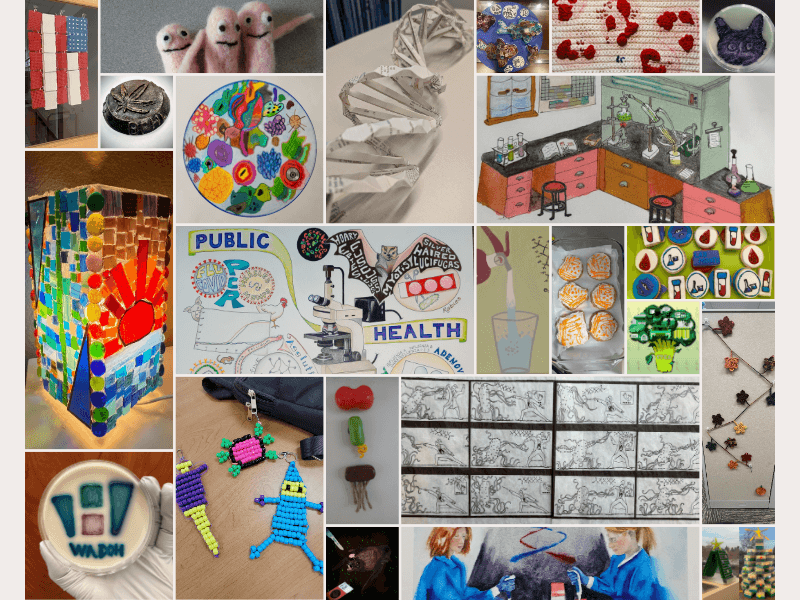
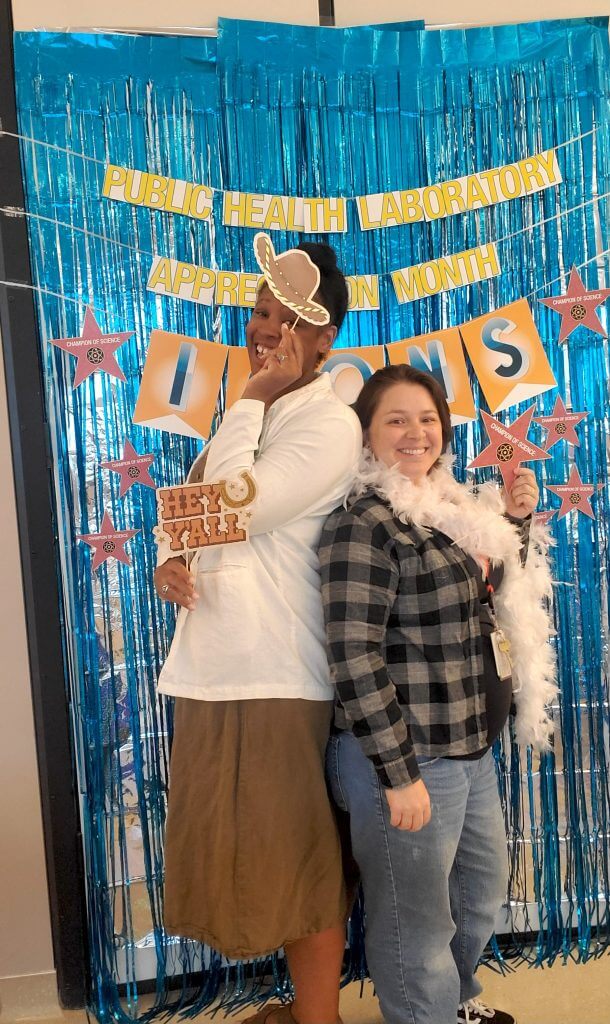
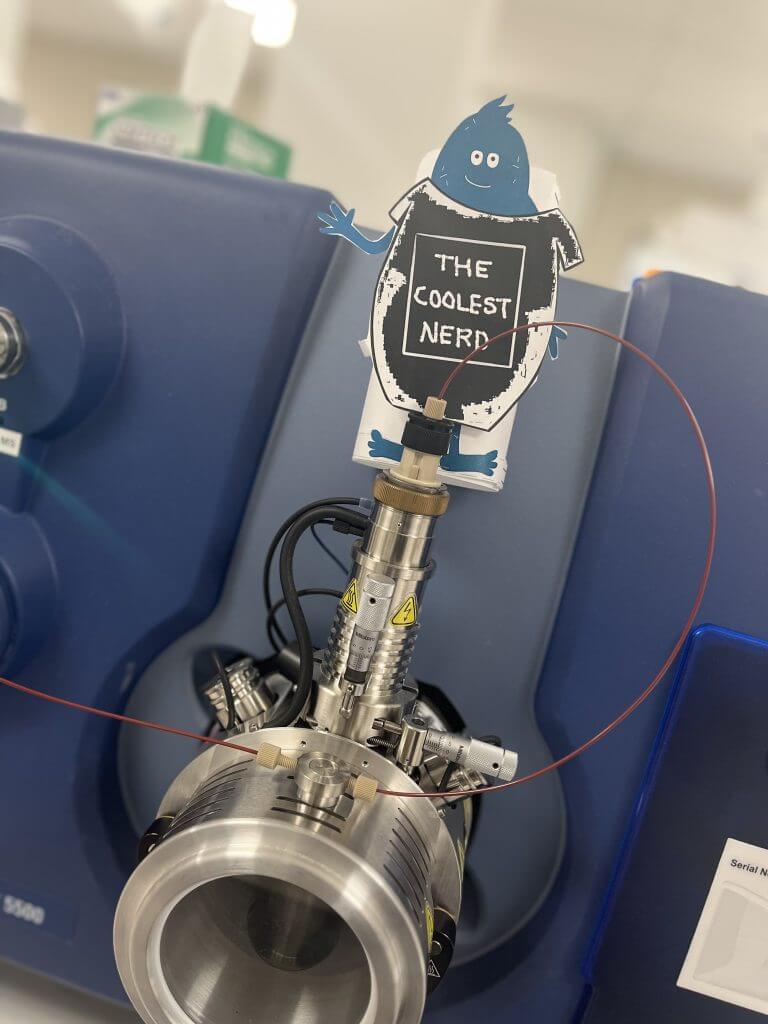
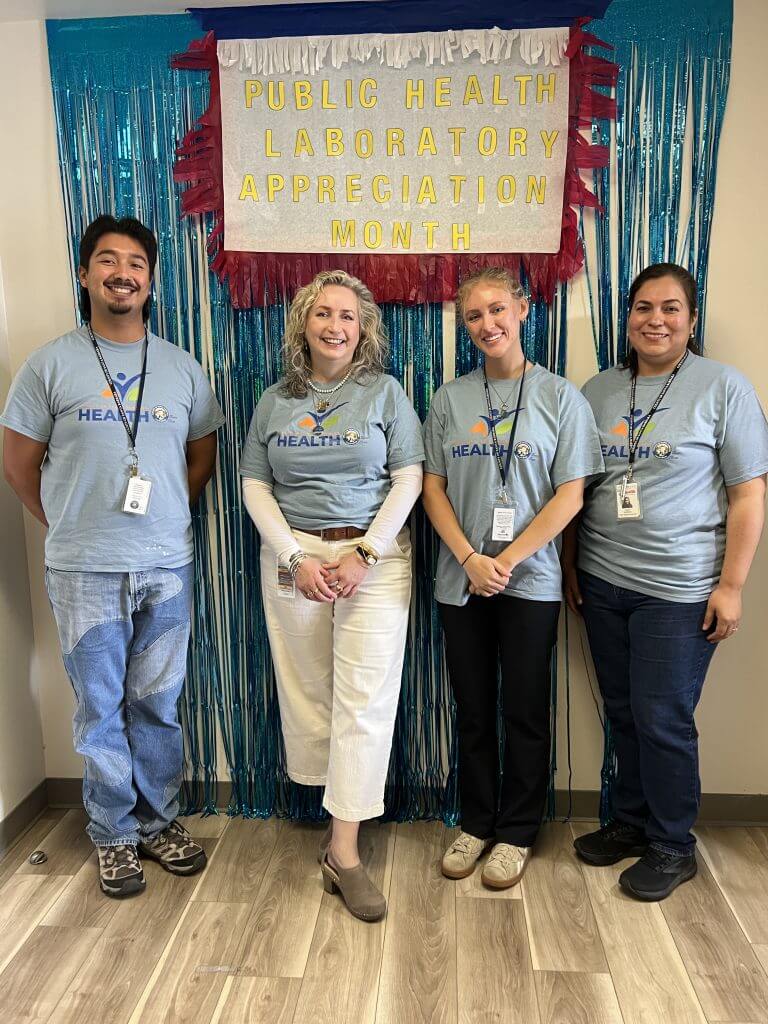
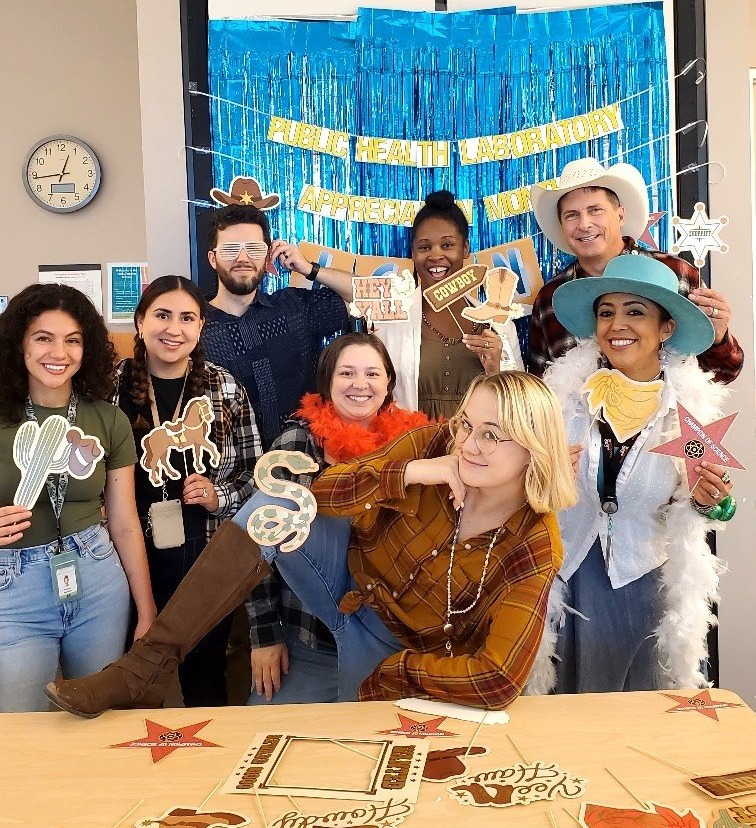
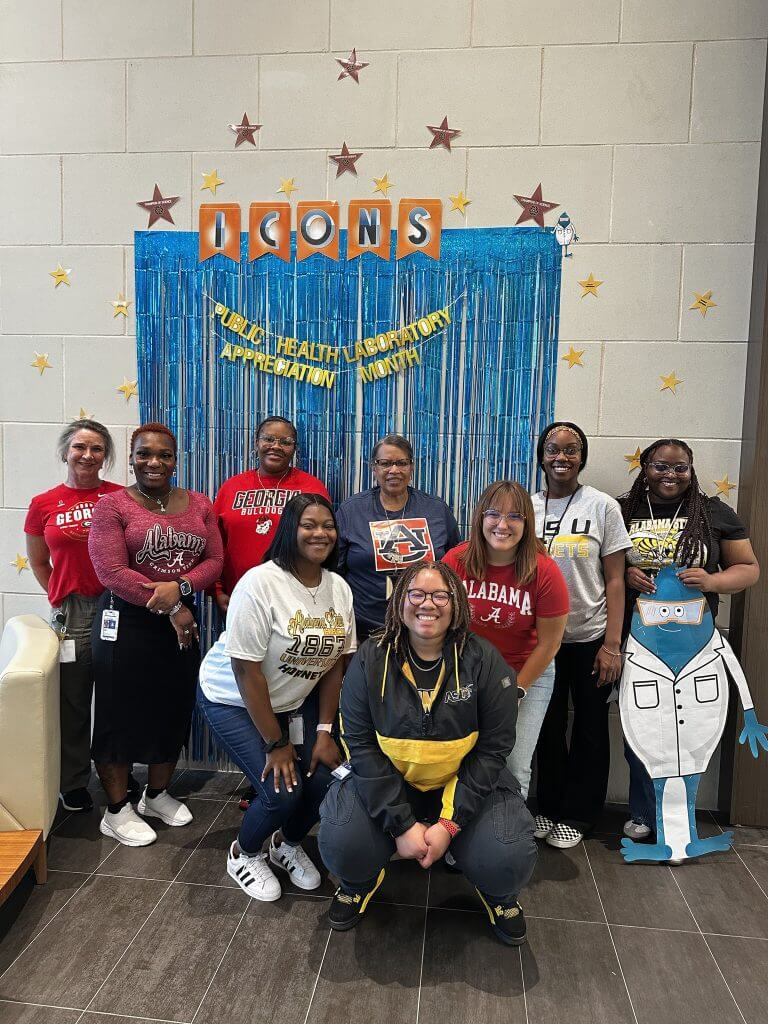
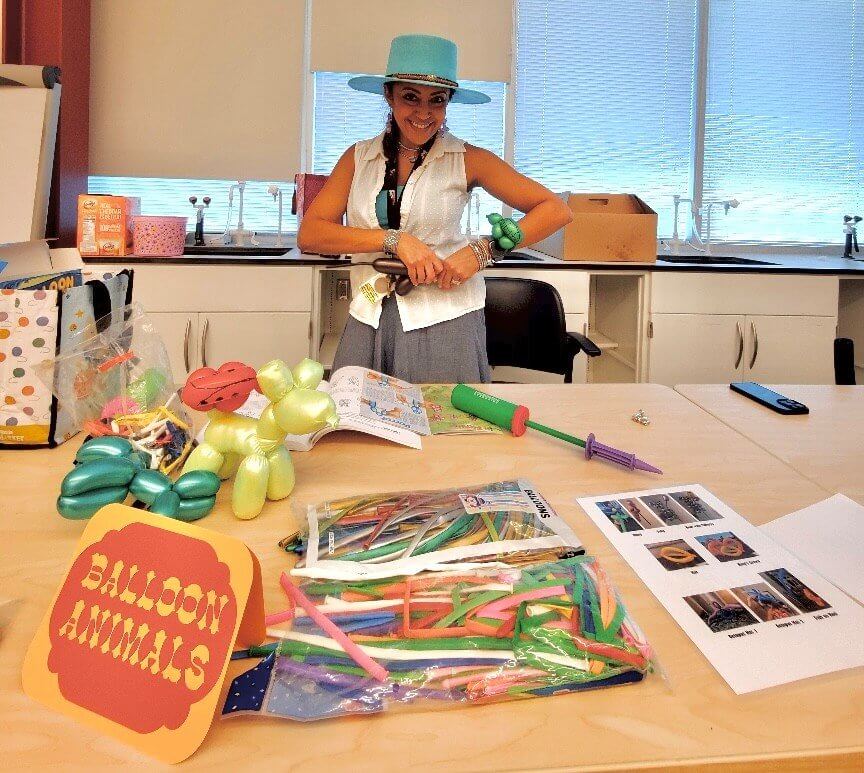
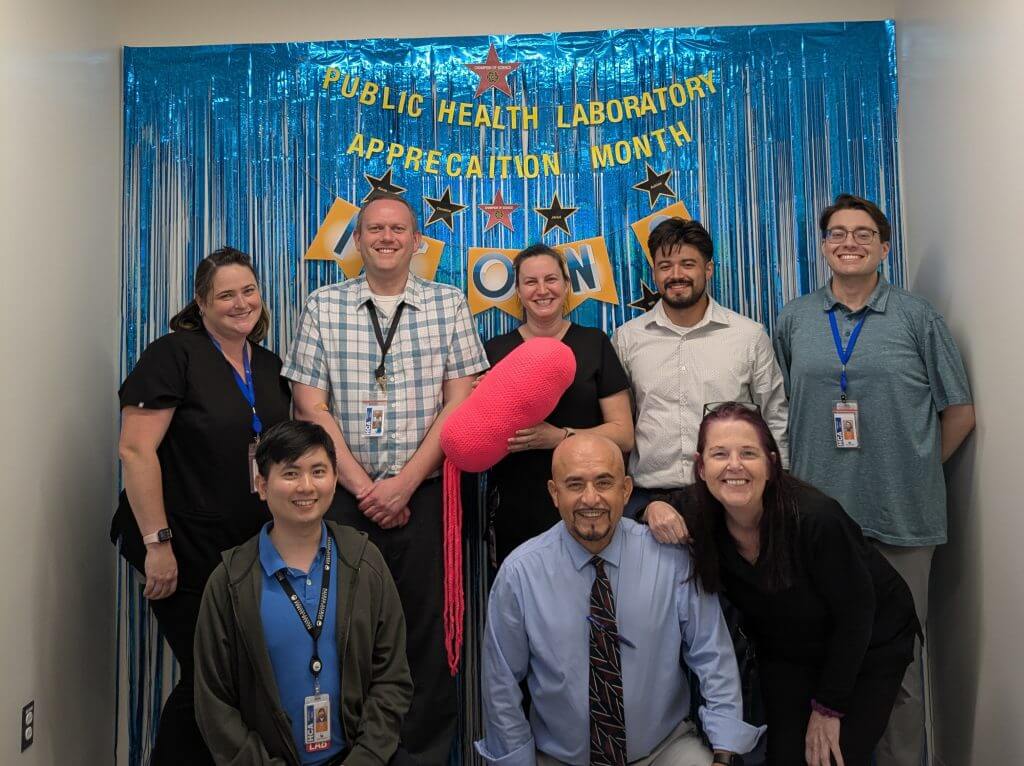
Thank you to everyone who made this year’s Public Health Laboratory Appreciation Month absolutely iconic! We enjoyed seeing pictures from your photo booths and hearing about your celebrations. Public health laboratories often exist in the background and rarely receive the appreciation they deserve, so we at APHL love spending the month of September featuring your valuable work and your dedicated teams. Below are a few highlights from public health laboratories around the country.

Art Contest Winners
We are also excited to announce the winners of the 5th Annual QIAGEN-sponsored Microbe Masterpieces & Chemistry Creations Art Contest! This year we were overwhelmed with the incredible creativity and thoughtfulness in all of the submissions. You can view all entries in our Facebook album. Our judges had a very difficult time making their selections and every category was a close vote. Thank you to QIAGEN for their ongoing support and partnership! And thank you to everyone who participated in this year’s art contest. Congratulations to the following winners:
Most Unique: Stray Cat by Nancy Nguyen, Houston Department of Health and Human Services. “I animated a short video inspired by a stray cat outside our laboratory.”
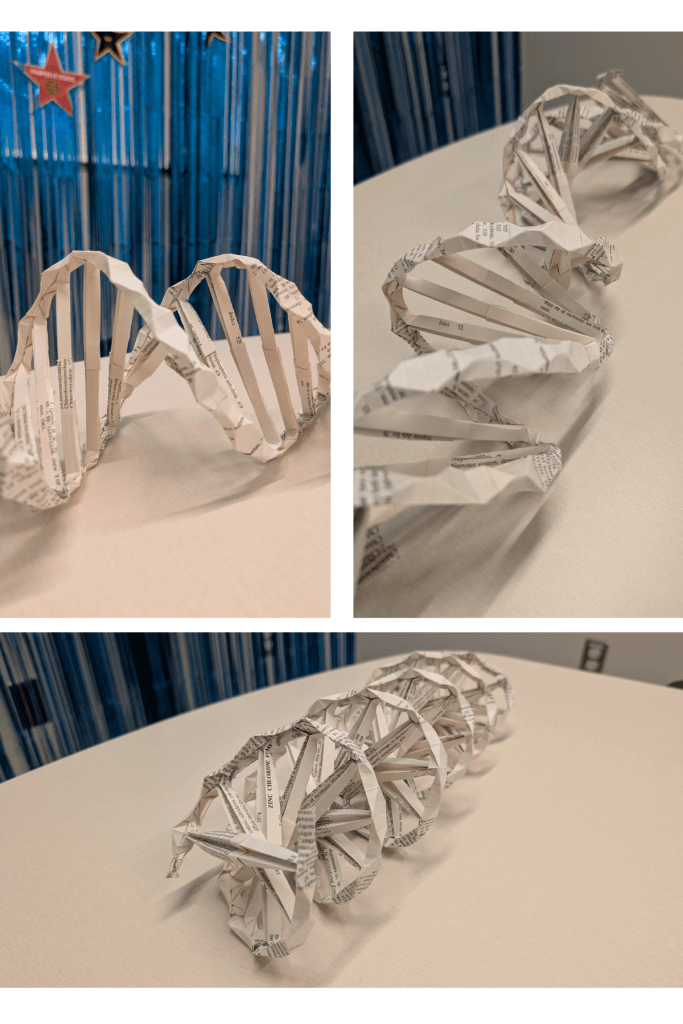
Best Use of Recycled Materials: DNA Double Helix by Kevin Trieu, Ventura County Public Health Laboratory. “The Origami DNA double helix is a model that I designed myself; it is made of individual modular units (the nucleotides) that are assembled to form the complete model. Each nucleotide contains three points of connection: two that create the backbone (phosphodiester bonds) and one that creates the rung of the DNA ladder (covalent bonds). The nucleotide also has a pentagonal core that represents the pentose sugar molecule. The whole DNA molecule itself is 33 base pairs (66 nucleotides), assembled without any glue or tape. It is only made of paper and the helical shape is natural. It is roughly about 50 million times larger than an actual DNA molecule of that length. When I thought about what medium to use for this piece, I decided to choose an old book that was about to be disposed from my laboratory’s library. Therefore, the DNA double helix is made up of pages of a laboratory chemical inventory book–the text could be seen on each nucleotide.”
Best Scientific Representation: Bacteria replication flip book by Lorie Martin, Vermont Department of Health Laboratory. “I made a flip book of replicating bacteria on an agar plate, then made it into a GIF so you can see it flip through the pages.”
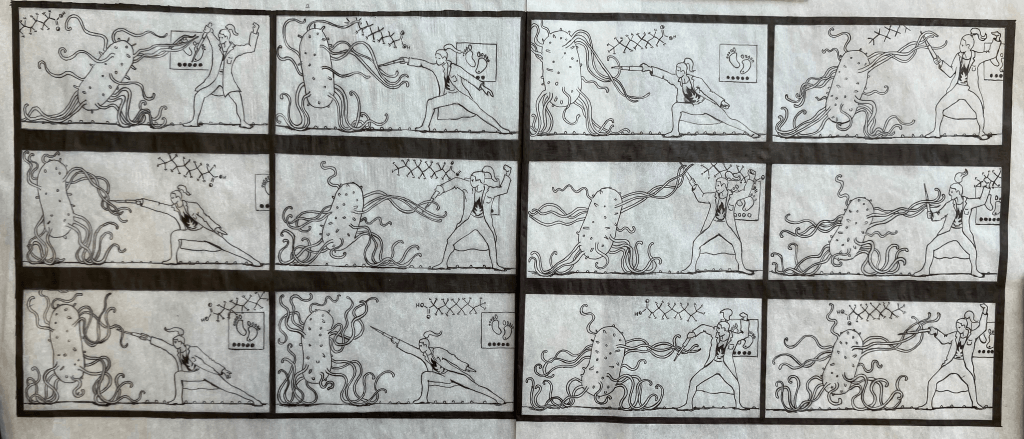
Grand Prize: The Laboratorian in Motion by Niamh Gray, Texas Department of State Health Services. “This is a hand drawn, ink pen piece made up of 12 panels, to be viewed from left-to-right, top-to-bottom. The twelve panels represent the 12 months of the year, symbolizing the perpetual, all-year responsibility and hard work of public health labs. It was inspired by a series of photos created by the photographer Eadweard Muybridge titled The Human Figure in Motion. In my piece, a laboratorian fences with a large, flagellated bacterium. She uses a micropipette as a foil. Her T-shirt is emblazoned with the chemical symbol for flammable hazard, symbolizing the fine balance public health labs maintain between monitoring and managing outbreak responses and environmental concerns: we jump on small public health “fires” every day to prevent them from bursting into massive wildfires. An animated PFAS molecule crawls around the wall behind the sparring figures and eyes the match, unnoticed by the focused laboratorian. The molecular structures of the PFAS family remind me of cockroaches, which is fitting because they are both EVERYWHERE, persistent, and almost impossible to get rid of! This piece represents two of the greatest future challenges of public health labs: responding to current outbreaks and potential resurgences of infectious diseases (bacterial and viral!) in the coming years, and the current and future wide-spread monitoring for PFAS in the environment.
Photos from APHL Members