.png?sfvrsn=a4dc1c5f_6)
May 20, 2026
Creating More Modern Laboratory Systems in Uganda
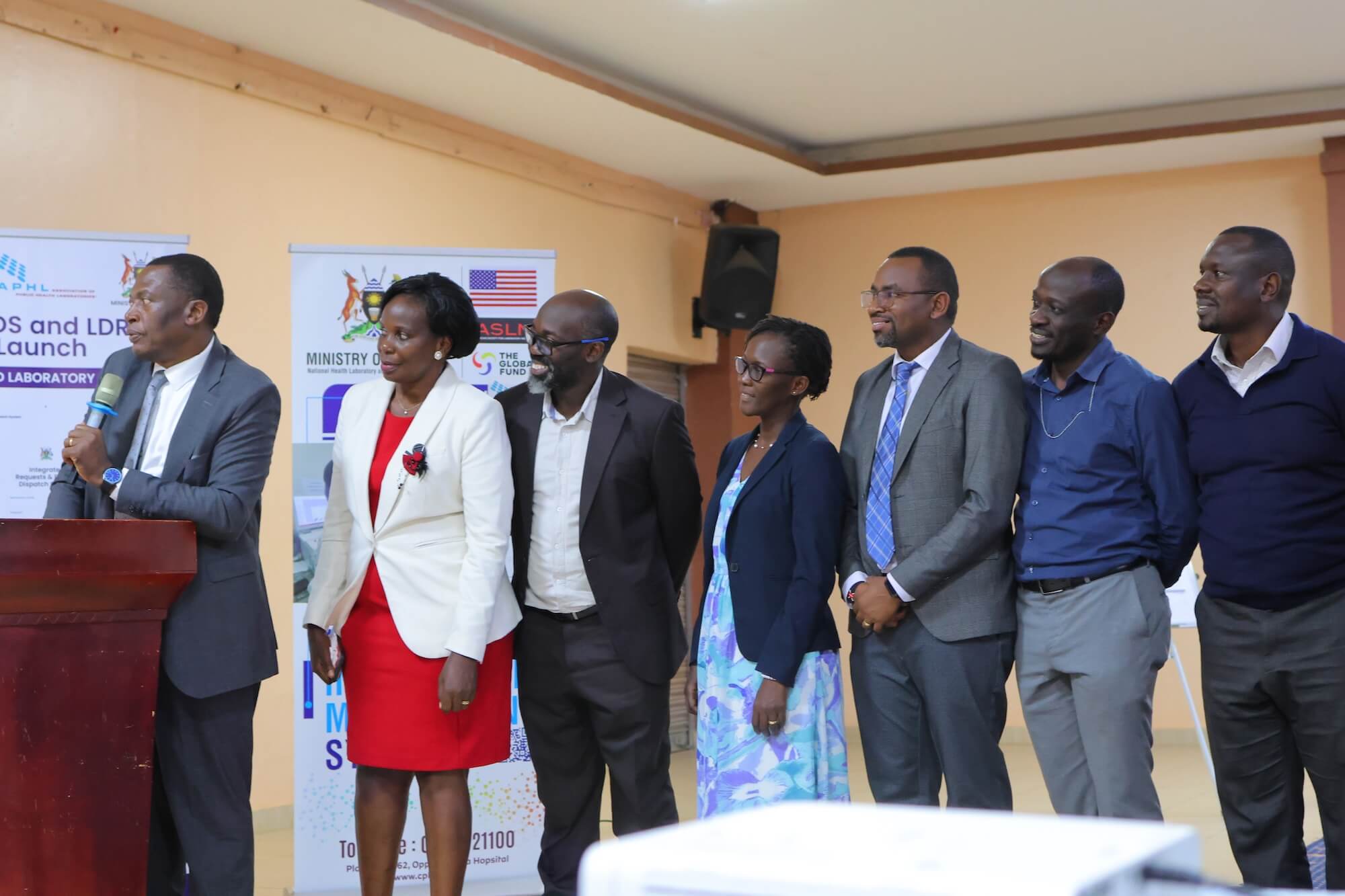
In an effort to modernize laboratory systems and procedures within the country, Uganda launched its Sample Tracking App, an enhanced laboratory data repository (LDR) and a central dashboard in February.
The app, LDR and dashboard were designed with stakeholder engagement after a needs assessment identified data silos and reporting gaps. A phased testing and validation process was conducted at select facilities before being rolled out to multiple sites.
The projects were undertaken with financial, technical and/or leadership support from APHL, US Centers for Disease Control and Prevention, Africa Centers for Disease Control and Prevention, Clinton Health Access Initiative, Ministry of Health Uganda, Central Public Health Laboratories (CPHL) Uganda and both public and private health facilities and laboratories in the country.

From point A to point B, and everywhere in between
In Uganda, different samples are sent to different laboratories for testing.
For example, samples collected for HIV or tuberculosis testing are sent to national reference laboratories, such as CPHL and the national tuberculosis reference laboratory, respectively. With different samples going in different directions, keeping track of where any one is at any given time can be challenging.
Enter the Sample Tracking App.
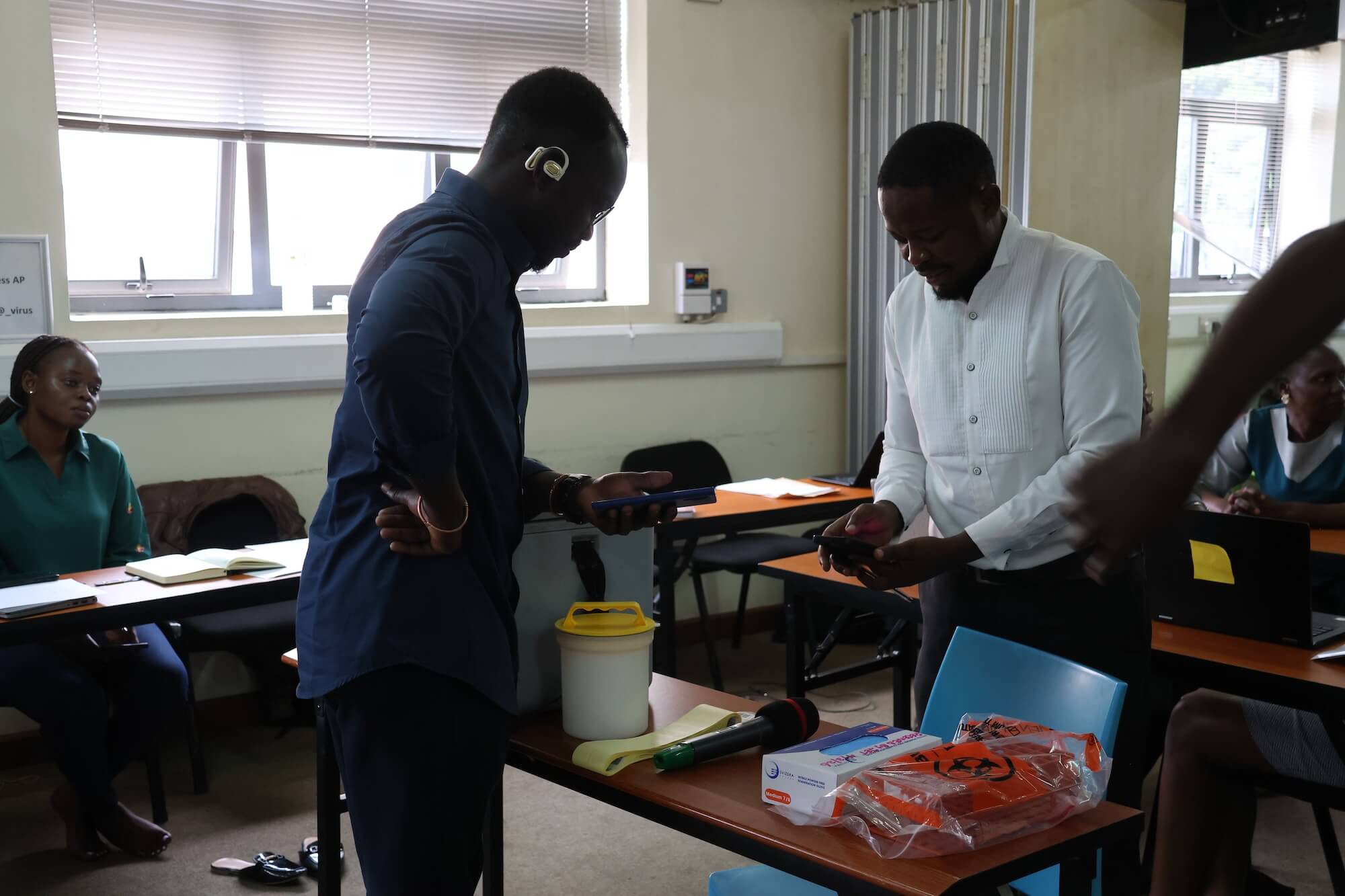
According to Rufus Nyaga, APHL’s deputy country director, Kenya, Global Health Program, the app allows the different stakeholders—testing laboratories, hub coordinators and drivers—to capture details pertaining to sample shipments. It will also trigger status updates to the appropriate parties when a sample is on the move.
“The app lets the team track where the sample is coming from and where it’s going,” Nyaga said. “It allows us to monitor transport and turnaround times and ensure that results are returned to the right facility quickly. Originally launched to facilitate basic sample tracking, the app has undergone significant upgrades based on user feedback and advancements in technology. Samples get to testing laboratories in a timely fashion while ensuring that there is a tracked chain of custody."
Data in near real time
Laboratory data in Uganda has historically been fragmented across multiple electronic medical records and vertical systems (e.g., microbiology, early infant diagnosis, outbreak systems, etc.), which limited its visibility and ultimately delayed public health decision-making. But thanks to the enhanced LDR and dashboard, public health systems have timely, accurate and integrated access to laboratory data across the country.
The central LDR collects data from multiple laboratories and health care systems, cleans, validates and standardizes the data, and then stores it in a central, scalable database that can be accessed by clinicians, laboratory professionals, CPHL staff and other authorized users around the country in near real time.
The dashboard, said Nyaga, provides real-time visibility of laboratory activity and disease trends across the country, showing testing volumes, positivity rates, sample collection turnaround times, geographic distribution of cases (by district or facility), trends over time (e.g., rising malaria or cholera cases) and more. It allows public health decision-makers to know where cases are increasing, which labs are overwhelmed and whether results are being returned promptly.
Looking ahead
The LDR is being rolled out nationally in a phased plan; so far, over 100 laboratories have been connected, with data being transmitted almost as soon as it’s available.
And feedback has been positive, Nyaga said.
“Users are particularly happy with the fact that they can see national- and facility-level data in one place,” Nyaga said. “They also like that there’s better tracking of samples and turnaround times, and there can be a quicker response to outbreaks since data can be accessed quickly.”
But there’s more work to be done, Nyaga added. “We’ve received valuable feedback on the need for continuous training, further UI/UX improvements and expanding system coverage to more facilities," he said. "We will continue working to further develop all these elements.”