.png?sfvrsn=a4dc1c5f_6)
With Little More Than a Suitcase and Determination, South African Lab Scientist Leaves Home, Earns APHL Fellowship
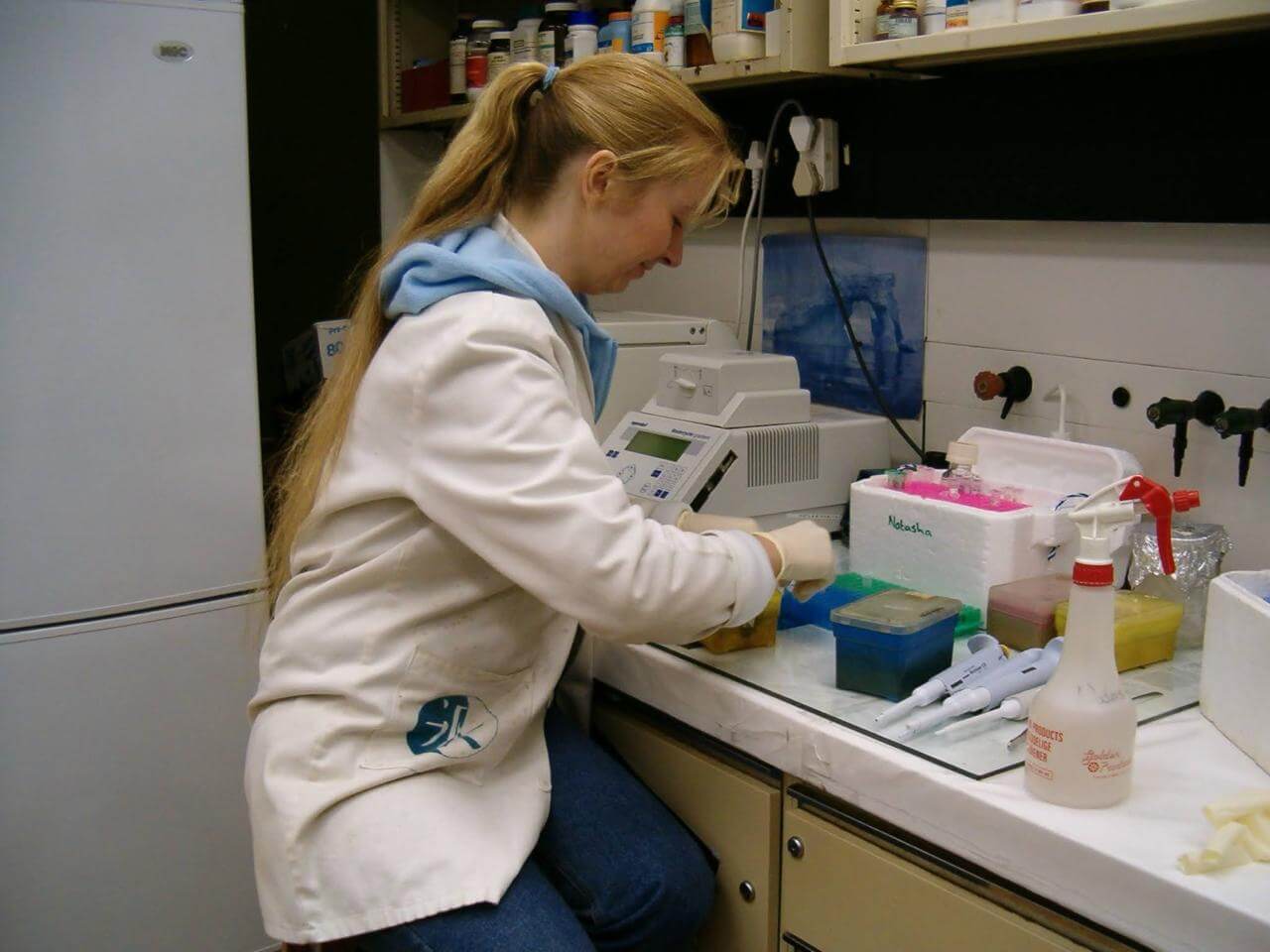
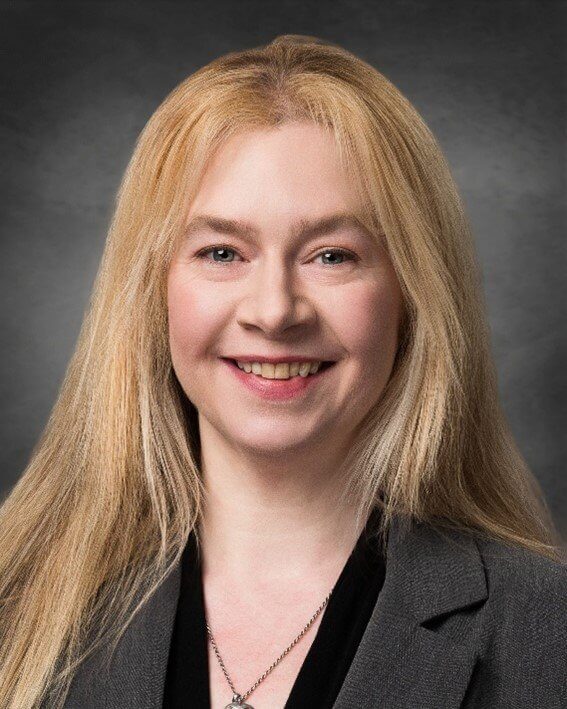
Natasha Sanabria, a trained biochemist, was doing public health work in South Africa when her husband got a job opportunity in the US.
The couple submitted the necessary paperwork to live and work in this country and waited. And then they waited some more.
COVID had created such a paperwork backlog that when the couple finally received approval, they had only a matter of weeks to leave their old life behind and start a new one here.
“We had just a few months to sell our home and pack up our lives,” Sanabria said. “I arrived here with only one suitcase, no family to stay with or lean on, not even a credit score, and I had to start my career again from scratch. Although I had extensive experience in academia and government/public health work, with publications and research grants, I found it hard to promote myself in a context that made sense to American recruitment agencies.”
Until, that is, she discovered the Public Health Laboratory Fellowship Program: an APHL-CDC Initiative.
APHL partners with the Centers for Disease Control and Prevention (CDC) to train and prepare scientists for careers in public health laboratories and to support public health initiatives.
“APHL saw my potential, and I was given this great opportunity to be a fellow. I am extremely grateful to APHL. Due to their inclusive policies and focus on diversity, APHL enables scientists from all backgrounds to participate and contribute to improving public health.”
Read on to learn more about Sanabria and her inspiring journey.
What kind of work were you doing prior to the fellowship?
“I’m qualified as a biochemist (PhD) specializing in molecular biology techniques. I also have an additional master’s degree in bioinformatics, which is one of the fields I applied for as a fellow. I had been working in the public health sector in South Africa since 2013. The company I worked for was similar to APHL, which made the transition easier. However, before that I was active in academia as a part-time lecturer and post-doctoral researcher. Over the years, I’ve worked on many projects ranging from plant-pathogen interactions, biochemical cellular signalling, gene expression and alternate splicing, quality control for an anti-cancer drug patent, nanomaterial toxicology in the workplace, molecular dynamic simulations of gene mutations in enzymes and developing qPCR assays for lung cancer mutation testing from FFPE [a form of preparation and preservation for biology samples] tissues.”
Why did you decide to pursue a Public Health Laboratory fellowship?
“I loved my work in South Africa, but the economic changes and decline in safe living conditions forced me to consider options overseas. I was a new permanent resident in the US and searching for career options on LinkedIn when I came across a profile of another South African similar to my own. They mentioned APHL as a great way to implement public health interventions. So, I figured that if they can work with APHL, then why can’t I?”
What does your fellowship entail?
“I am a bioinformatics fellow placed at a federal host lab. Imagine you are teaching a child a new language, but in my case the ‘child’ is a computer, and the ‘language’ is genetic information. So, I use machine learning (ML) and natural language processing (NLP) to take virus sequences and train a model to predict different stages of infection. The aim is to improve surveillance and create innovative ‘cyber-assays,’ i.e., new forms of service delivery.”
What have been some of the challenges you’ve faced?
“I was in a new country and had to build a new life. My qualifications are internationally recognized, but not easily accepted here. I didn’t have a network here that I could reach out to for help and advice. It was humbling to go from a being an independent woman and senior researcher at a national institute to someone relying on their spouse to keep a roof over their head and food on the table.”
What have been some of the highlights of your fellowship?
“It’s been a life-changing experience, and I am thankful for all the training provided, advice given and general support offered. I was placed in a great host lab and worked on an innovative project that will result in new tools for real-world situations. I did something that matters! Being a fellow gave me access to valuable information, great opportunities to meet people and find like-minded individuals willing to provide guidance. Also, the APHL Fellowship team takes good care of the fellows and their well-being. Every time I had a question, they were always willing to help.”
What are your post-fellowship plans?
“This fellowship has enabled me to network and engage within the public health sector, which ultimately resulted in a job offer, i.e., full-time employment with benefits at a public health laboratory. APHL provided an opportunity where I gave it everything I had and have now started to reap the rewards. I recommend that others take a chance and see how doors can open to new directions, which can help give back to society in a significant way.”
APHL offers a variety of opportunities to explore career pathways in public health laboratory science. We support professional development experiences for current students, early career scientists and established laboratorians. As a recipient of American Rescue Plan funding, we have expanded upon our current Public Health Laboratory Fellowship Program offerings and have added a Public Health Laboratory Internship Program.