



The public health laboratory community has relied on a strong, evolving training infrastructure to meet the demands of science, preparedness and response. These efforts reflect a sustained commitment by APHL and the US Centers for Disease Control and Prevention (CDC) to strengthen the laboratory workforce through collaboration, innovation and shared purpose.
Established in 1989, the National Laboratory Training Network (NLTN) emerged during a period of profound change in public health. The HIV/AIDS epidemic, advances in laboratory technology and growing expectations for laboratory quality exposed gaps in training and workforce readiness. In response, the then-ASTPHLD and CDC created a decentralized national training network designed to deliver high-quality, affordable education while remaining responsive to state and local needs.
NLTN’s defining feature was its Area Laboratory Training Alliance (ALTA) model, which encouraged cooperation without sacrificing state autonomy and ensured that training priorities were shaped by those closest to the work. From the outset, NLTN was as much a community as it was a program.
NLTN’s first course was delivered in late 1989, and by the early 2000s, it had delivered thousands of training activities, reaching more than 125,000 laboratory professionals and playing a central role in bioterrorism and chemical preparedness efforts nationwide.
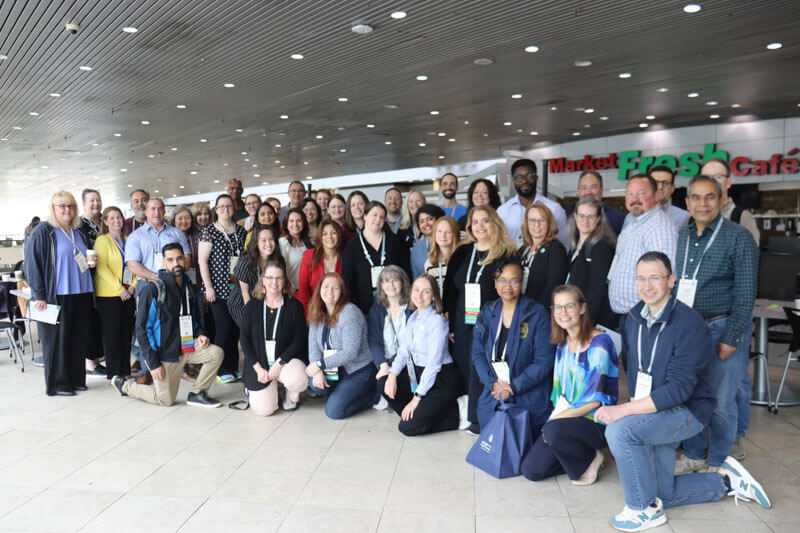
Complementing this ongoing work, the National Laboratory Training Conference (NLTC) convened trainers, laboratory leaders and partners that—beyond formal sessions—fostered mentorship and reinforced the shared mission that sustained NLTN through decades of change.
Stories from the early years of NLTN capture trainers traveling long distances with limited resources and adapting on the fly when technology or logistics failed. These experiences forged a resilient, problem-solving workforce united by a belief that training was foundational to public health practice.
In 2007, the network adopted a more nationally integrated business model, allowing it to remain flexible in a challenging economic environment while expanding its reach and delivery methods. By its 20th anniversary, NLTN had established distance learning platforms, mentoring programs and collaborative tools that pointed toward the future of workforce development.
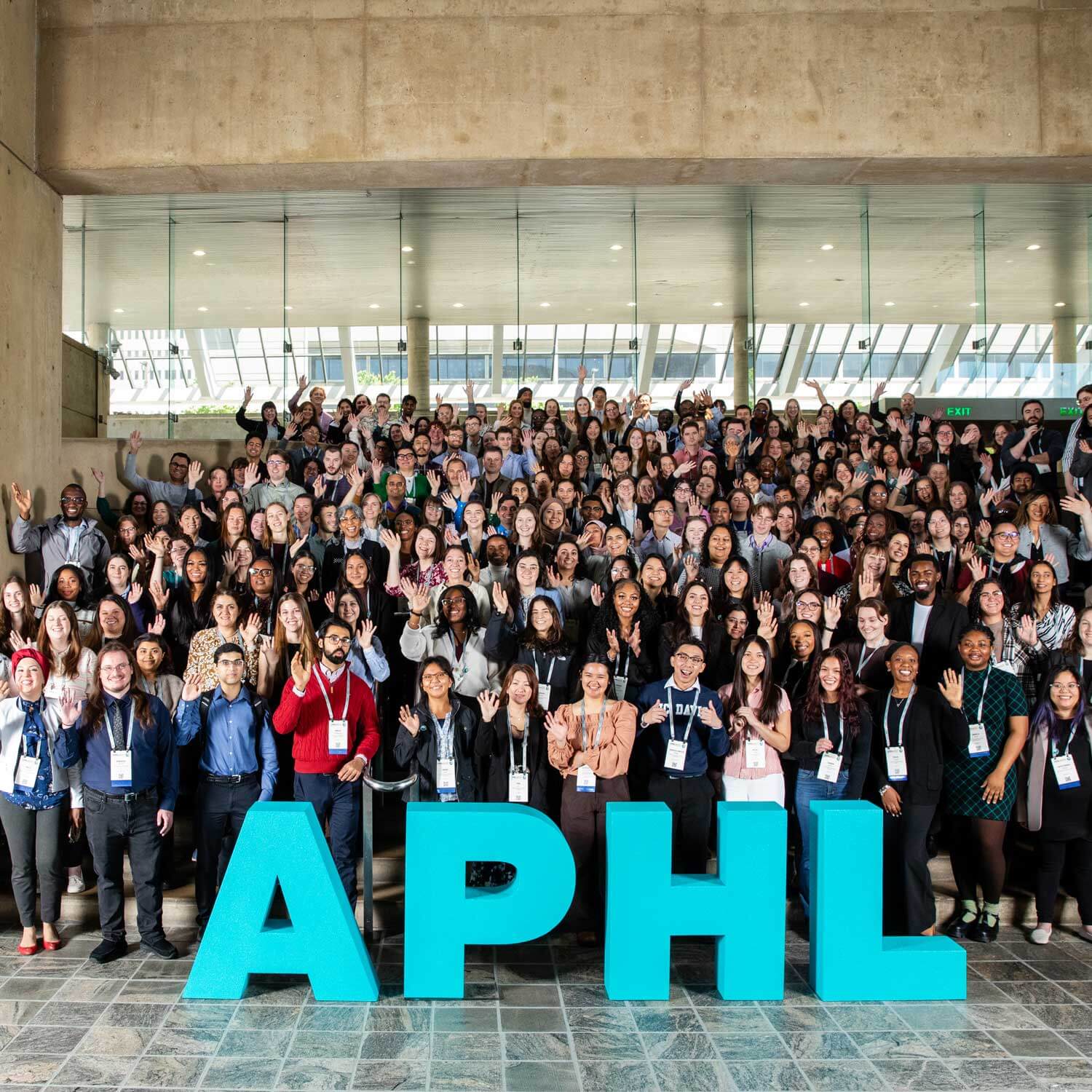
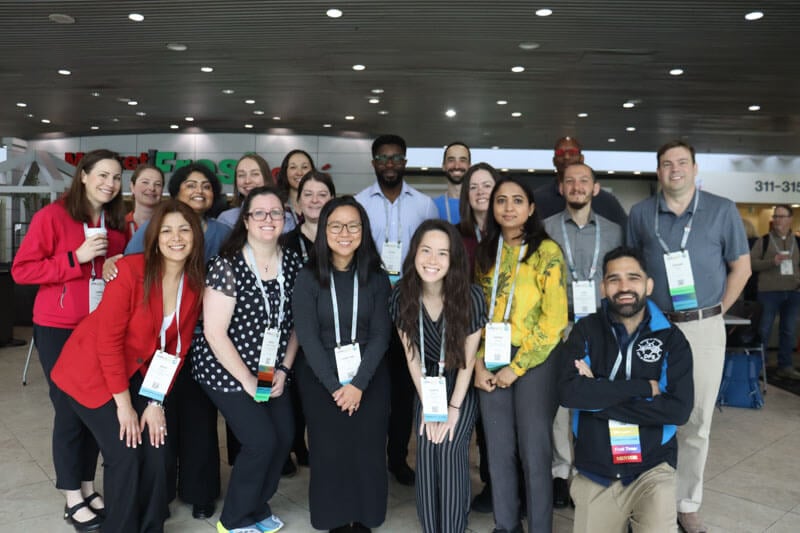
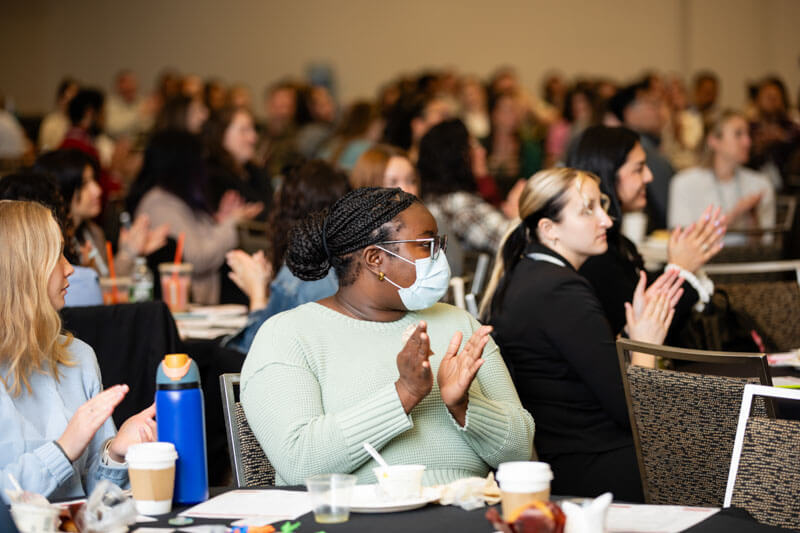
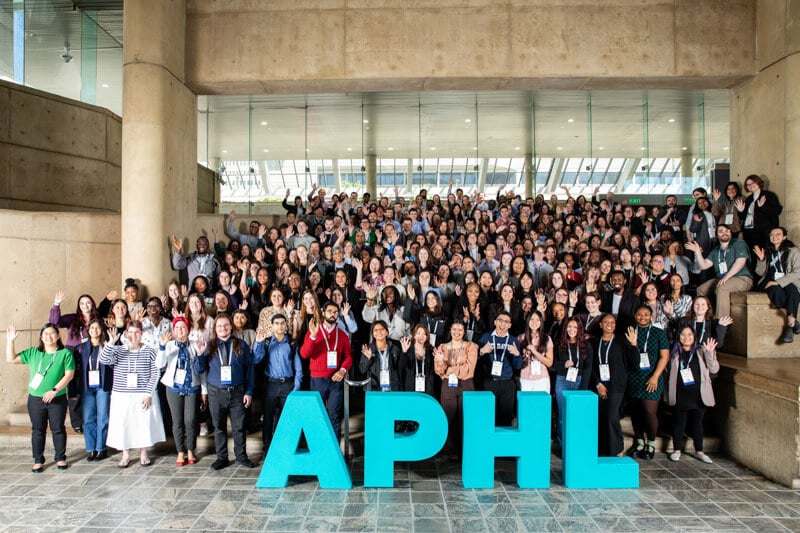
Building on the legacy of NLTC, the Public Health Laboratory Training Conference (PHLTC) now serves as a national forum focused specifically on training and workforce development. Recent conferences have emphasized leadership, communication and adaptability during public health emergencies—particularly in the context of COVID-19.
PHLTC highlights cutting-edge methods of education and training, while reinforcing core principles established by NLTN: learner-centered design, collaboration across laboratory systems and continuous improvement. The conference underscores the interconnected nature of today’s laboratory ecosystem and the critical role that training plays in sustaining it.
In 2021, funding from the American Rescue Plan enabled the launch of Career Pathways in Public Health Laboratory Science: An APHL‑CDC Initiative. Before this program, APHL could support only about 20 fellows per year due to limited resources. The expanded initiative has strengthened member laboratories by supporting fellows and interns who contribute to essential laboratory projects and capacity-building efforts—and many participants intend to remain in public health.
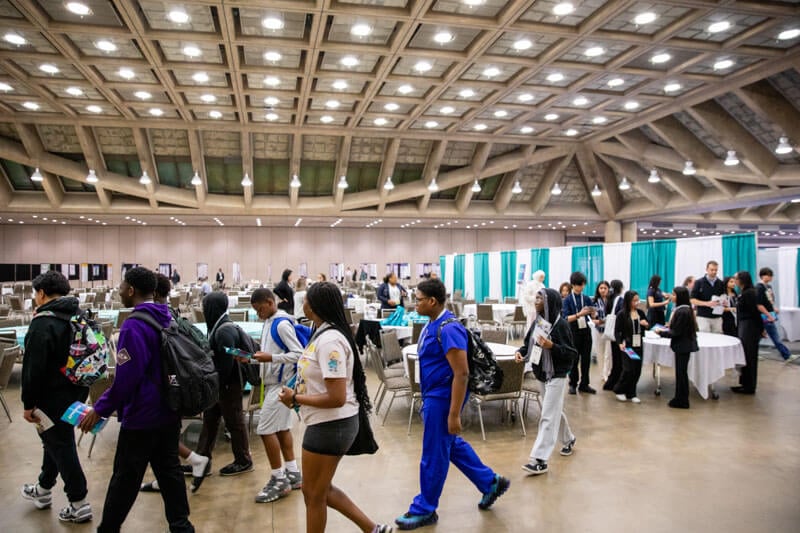
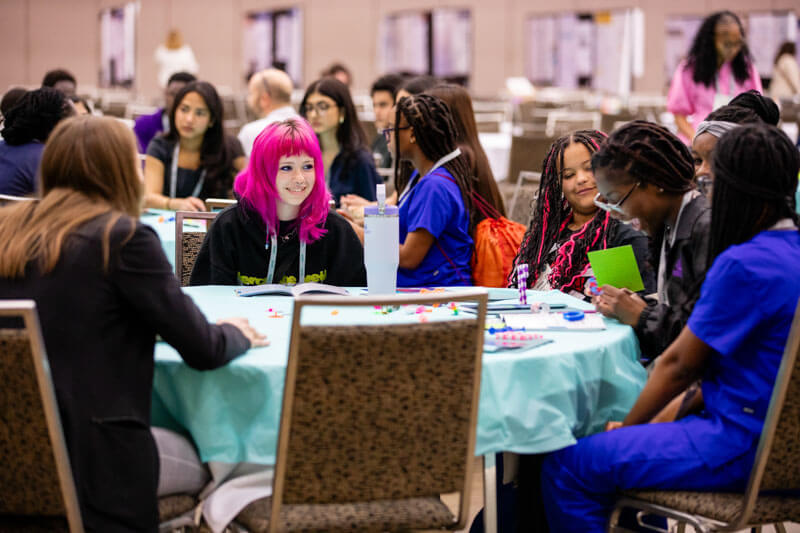
Funding from the American Rescue Plan also enabled APHL to establish the Academic Partnerships program, ensuring that the pipeline of laboratorians begins well before college graduation. Also, to reinforce the need for public health laboratory leaders, the Laboratory Leaders of Today (LLOT) program was launched in 2022 to replace the New Laboratory Director Orientation, which had not been offered since May 2017.
APHL’s workforce story is one of continuity rather than replacement. Even though the tools, techniques and challenges have changed, the same values remain at the heart of public health laboratory training efforts today.
