
Oct 28, 2026
Ahead of Election Day, Letters Containing a Suspicious Powder Are Landing in Government, Election and Media Offices Around the Country. How the Nation’s Laboratory Response Network Is Supporting the Investigations
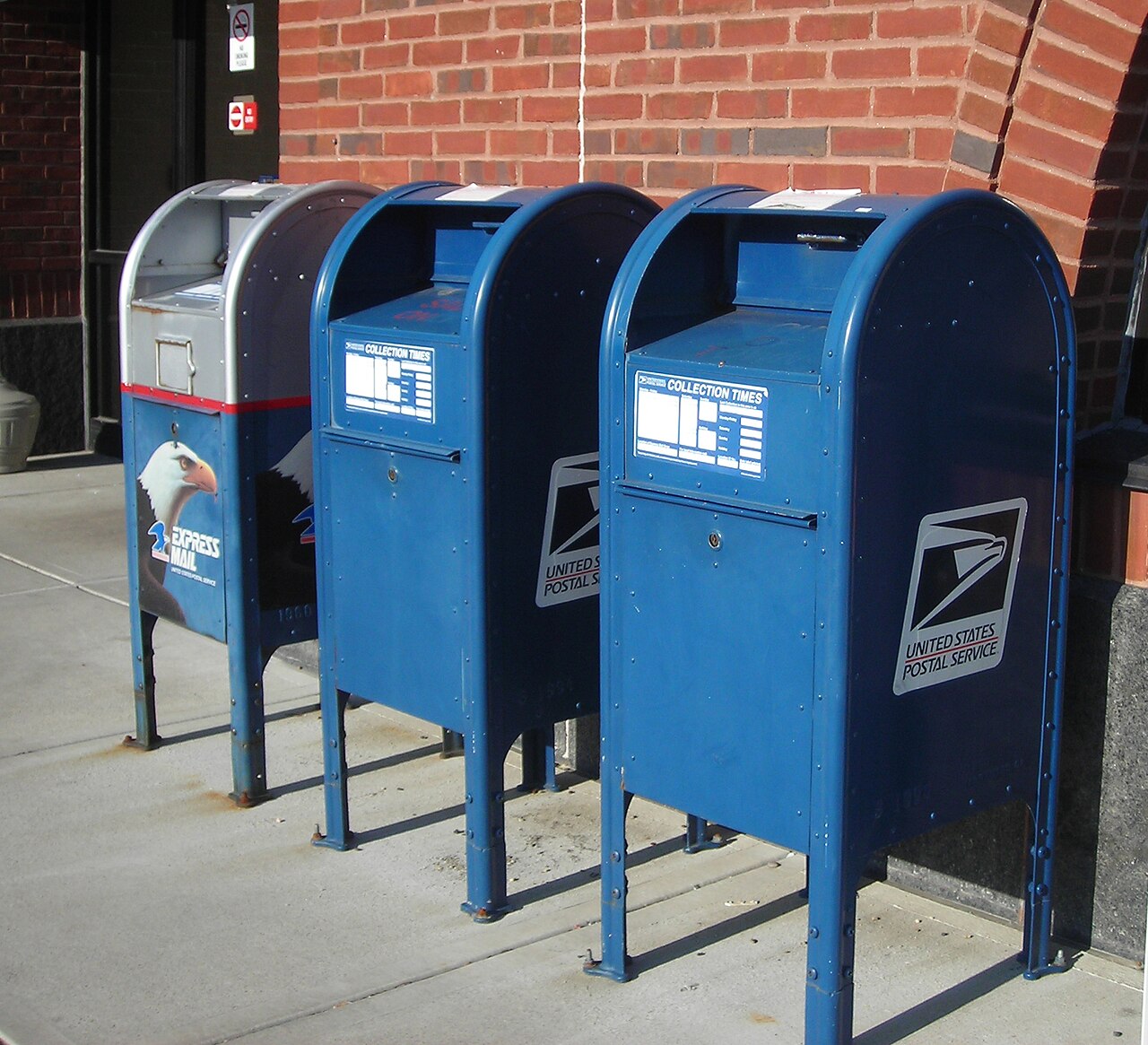
In recent weeks, more than 100 letters containing a suspicious white powder have been mailed to members of Congress, local and state election officials, media outlets and others. The letters have arrived across the country, from Alaska to Maine, California to Connecticut and more than two dozen states in between.
Many of the letters were intercepted before they reached their intended destination, but others were received and opened. The Federal Bureau of Investigation (FBI) and the US Postal Inspection Service as well as other law enforcement agencies are investigating the incidents. So far, no hazardous substances have been identified, though testing by laboratories within the nation’s Laboratory Response Network (LRN) is still ongoing.
Public health laboratories are a critical component of the LRN, providing specialized expertise and testing capabilities to analyze environmental samples, including suspicious letters and unknown powders, for potential biological threat agents. These laboratories play a vital role in protecting public health by rapidly identifying potential threats and providing timely, reliable results to support law enforcement investigations and inform public health response efforts.

From mailbox to lab
How does a letter deemed suspicious wind up in an LRN lab?
Before a sample is accepted for testing at a designated LRN laboratory, public health partners evaluate the credibility of the threat, potential human exposures, any reported symptoms and field screening results, including required explosives screening, to determine whether testing at the public health laboratory is warranted, explained APHL’s Tyler Wolford, senior program manager, Public Health Preparedness and Response.
They also coordinate sample collection and submission, he noted, including the types and number of samples needed, anticipated arrival times, delivery arrangements, packaging requirements and submission forms. “If testing is deemed appropriate, samples suspected of containing a biological or chemical threat are safely transported to the designated LRN laboratory,” Wolford said. “In preparation for their arrival, laboratory staff identify personnel to conduct testing and prepare the necessary reagents and equipment to begin testing as quickly as possible.”
To protect staff and the area around the lab, a suspicious parcel is, if possible, contained and handled in a glove box (a hermetically sealed chamber); staff wear personal protective equipment and adhere to established safety protocols when handling the specimen and conducting testing. As happens in other criminal investigations, the item is treated as evidence—photos are taken to document the item and its condition. “Once the initial assessment and documentation are complete,” Wolford said, “laboratory personnel carefully prepare the appropriate samples for testing using established procedures designed to minimize exposure risk and maintain sample integrity.”
Testing techniques
The tests performed vary based on the sample and the testing requested by sample submitters, such as FBI Weapons of Mass Destruction (WMD) coordinators, in accordance with established LRN laboratory testing protocols.
“The FBI is currently requesting that laboratories that receive unknown powder letters test for multiple pathogens simultaneously using LRN methods (i.e., real-time PCR screening, time-resolved fluorescence and culture),” Wolford said. “If the laboratory has a policy to perform additional testing, they must coordinate with the FBI WMD coordinator prior to performing such tests.”
Depending on the level of testing performed, or if additional follow-up testing is required, initial results may be reported in as little as 4-5 hours. Most results are ready within 24-48 hours, but cultures (if performed) are held for five days so results are not technically ready until then. This quick turnaround time is key to containing and responding to threats and securing the nation’s safety.
What we know so far
As of now, the only substance in the letters that’s been publicly identified has been baking soda, mailed in a letter to the Cook County Treasurer's Office in Chicago, Illinois, on October 15. But officials remain vigilant. In 2023, similar letters sent through the mail contained traces of the powerful opioid fentanyl. Laboratory testing on other recently mailed letters is still ongoing.
“Recent incidents involving suspicious white powders highlight the critical role of the LRN in protecting Americans,” Wolford emphasized. “Working alongside first responders, law enforcement and public health officials, LRN laboratories provide specialized testing to assess potential biological and chemical threats, while response partners evaluate other hazards, including explosives. This coordinated response provides reliable information to guide public safety decisions, support investigations and protect communities across the nation.”