.png?sfvrsn=a4dc1c5f_6)
Andes Virus Isn’t Typically Seen in the US, Yet Other Hantaviruses Are: How Two Public Health Laboratories Are Preparing for Hantavirus Season
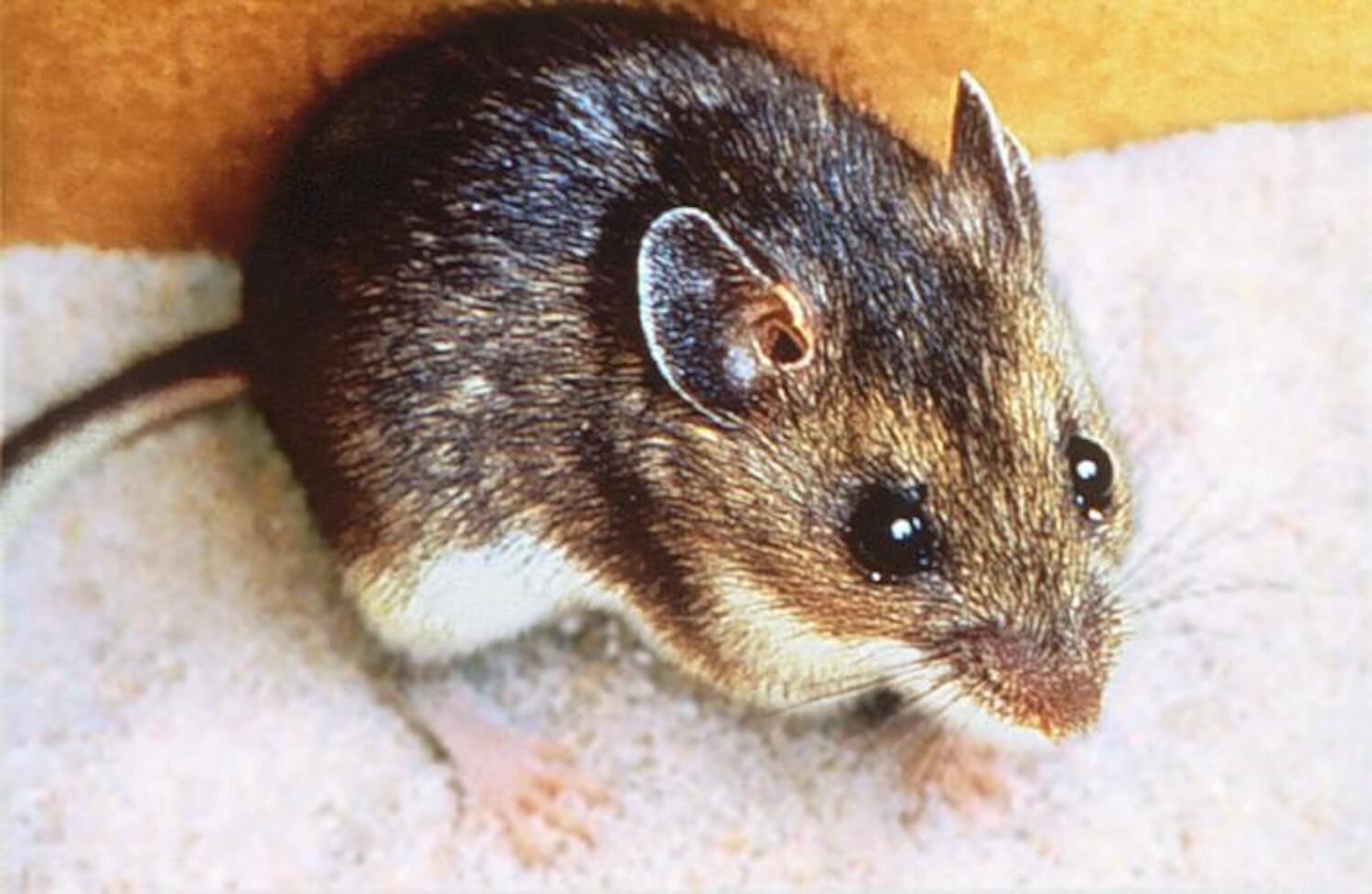
Hantavirus has been on everyone’s mind since a deadly outbreak of Andes virus, a type of hantavirus, occurred on a cruise ship sailing the Atlantic.
Hantaviruses are spread by contact with the feces, urine and saliva of infected rodents. By far the most common hantavirus seen in this country is Sin Nombre virus. Like Andes virus, it can attack the lungs and cause severe respiratory illness. But unlike Andes virus, it is not spread from person to person.
While hantaviruses overall are rare in this country, there are typically a few cases every year. According to the US Centers for Disease Control and Prevention (CDC), just 890 cases have been reported here since 1993, when surveillance began. When cases do pop up, they tend to be seen in the rural, arid areas of the West and Southwest. And as we enter summer, when people are enjoying the outdoors and cleaning up winter debris (causing the rodent droppings that spread hantaviruses to become airborne), expect to hear about more cases.

Arizona
According to Kate Fitzpatrick, deputy bureau chief, Bureau of State Laboratory Services at the Arizona Department of State Services, confirmed cases of hantavirus in the state fluctuate from year to year.
“Some years see very little activity while others experience a noticeable increase in confirmed infections,” she noted. “Despite that variability, the state laboratory consistently tests approximately 30 to 40 patient specimens for hantavirus annually.”
Right now, the Arizona laboratory uses CDC hantavirus serology tests that detect IgM and IgG antibodies to the virus, indicating a current or past infection.
While the test was developed to detect Sin Nombre virus, it can cross-react with other types of New World hantaviruses, including Andes virus, Fitzpatrick said. New World hantaviruses are primarily found in the western hemisphere.
“We work closely with our vector-borne disease team to make sure that patients who are very sick or highly suspected of having hantavirus are prioritized,” she said. “For urgent cases, we can usually provide test results the same or next day. We also confirm positive hantavirus results that come from commercial laboratories, and those confirmations typically take about three to five days.”
To strengthen their testing capabilities, Arizona is working on adding PCR testing for both the Sin Nombre and Andes viruses.
“Given how serious hantavirus can be and the importance of quick results, we’ve also built plans to handle a sudden increase in testing,” Fitzpatrick commented. “Several staff members are cross-trained and ready to support hantavirus testing if the need arises.”
Texas
Compared to Arizona, Texas tests significantly fewer samples of suspected hantavirus each year—roughly 8 to 12—reports Grace Kubin, PhD, laboratory director, Public Health Laboratory Division, Texas Department of State Health Services. But even though demand isn’t high, the state public health laboratory is prepared.
Like most of the country, Sin Nombre virus is the most prevalent hantavirus seen in Texas, but in response to the Andes virus outbreak, Kubin and her colleagues decided to bring on a serology test that could detect both types of hantaviruses. “There were a couple of travelers in our state who had been on the cruise ship,” Kubin noted, “so we wanted to be ready.”
Why not bring on a PCR test that can provide quicker results than a serology test? Kubin explained that the lab considered it but instead opted for the serology test.
“PCR testing is the gold standard,” she said. “So, it’s a natural question to ask. And I think it comes down to timing. In our experience with hantaviruses, we’re often on the tail end of a collection. Symptoms of hantavirus are similar to other respiratory infections, so it’s not something you might initially test for. And by the time we get the sample, it may be outside the time to use a PCR test.”
Regardless, Kubin said, serology testing gives prompt results. “We usually allow one to two days,” she said. “But if we had to move quickly, we could turn around a serology test in about four hours.”
Collaboration promotes control
A rapid response to any hantavirus outbreak—whether it’s Sin Nombre, Andes or another virus—depends on strong collaboration among public health partners.
During the Andes virus outbreak, for example, California shared its PCR protocol for Sin Nombre virus with Nebraska, Nebraska offered to share its Andes virus PCR protocol with other states and CDC provided control specimens for test validation. “It’s this kind of collaborative effort that makes everything possible,” Kubin summed up.
Experts advise that the best way to avoid Sin Nombre virus is to avoid contact with wild rodents. Seal any holes or cracks in your home where rodents can enter (a mouse can squeeze into a hole the width of a pencil eraser) and store food in rodent-proof containers. If you notice evidence of rodent activity (live or dead mice, rodent droppings, mice nests, etc.), do not sweep or vacuum the area, which can cause droppings and other materials to become airborne. Instead, wearing gloves, soak the area thoroughly with a disinfectant or bleach solution, leave it for at least five minutes and then clean with a mop or sponge.