.png?sfvrsn=a4dc1c5f_6)
Global Concern Over a Plague Outbreak Grows: How the Nation’s Laboratory Response Network Works to Protect Americans
October is Biosafety and Biosecurity Awareness Month
At the start of October, a young Russian lab worker employed at a Siberian institute that studies plague died from what many suspect to be the pneumonic plague, although Russian officials have not confirmed that.
Roughly 200 of the worker’s colleagues have been quarantined and tested and Russian health officials report that no infections have been detected. While experts from around the world say the risk of a global epidemic is highly unlikely, concerns still mount.

What is pneumonic plague?
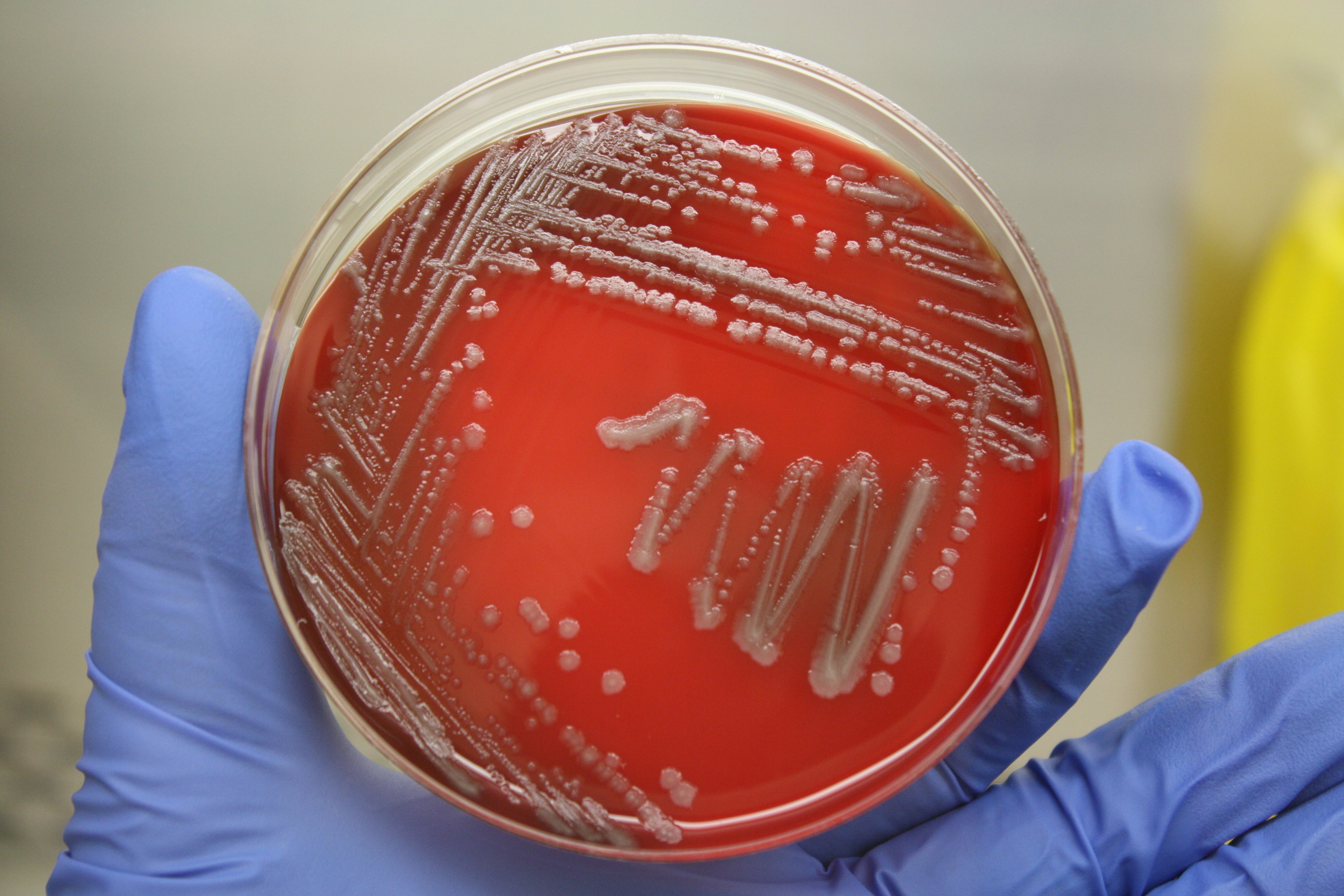
Plague is a lung infection caused by the bacterium Yersinia pestis (Y. Pestis). Pneumonic plague, a particularly severe and deadly form of plague, is the only form of the disease that can be transmitted person-to-person, mainly through the inhalation of infected respiratory droplets.
According to the US Centers for Disease Control and Prevention (CDC), approximately five cases of plague (which can include bubonic, septicemia and pneumonic plague) are reported each year in the US, with most of those cases occurring in the West and Southwest regions of the country where Y. pestis is naturally found in the environment. Testing generally consists of conducting a rapid PCR test followed by culturing the specimen for confirmatory results.
On the frontlines: The Laboratory Response Network
When it comes to testing for and responding to Y. pestis and other dangerous pathogens, the US is more than prepared, said APHL’s Rana Rahmat, senior specialist, Public Health Preparedness and Response.
Roughly 67 US public health laboratories can perform PCR testing for Y. pestis, including 66 labs that can culture specimens, along with three US Department of War laboratories that can perform both methods.
“Because Y. pestis is a pathogen that we regularly see within the US, it’s something the Laboratory Response Network is very familiar with and has the capability to test for,” she said. “We have the resources, the staff and the protocols in place. The readiness is there.”
The Laboratory Response Network, or LRN, was founded by CDC, APHL and the Federal Bureau of Investigation (FBI). It is a wide-ranging collection of local, state and federal public health, food testing, veterinary diagnostic and environmental testing laboratories that have the trained personnel and necessary equipment, testing reagents and protocols in place to respond to biological and chemical terrorism and other public health emergencies, including plague.
The laboratories that make up the LRN are affiliated with federal agencies, such as CDC, the US Food and Drug Administration (FDA) and the Department of State, military installations, international partners and state and local public health departments. The LRN-B, which specializes in testing biological pathogens (versus the LRN-C that tests for chemical ones), consists of 120 domestic laboratories—most of them public health laboratories—and represents all 50 states. Their rapid detection of threats—known or emerging—helps inform the public health responses that keep America safe.
How clinical labs support public health labs—and vice versa
Chances are, if a person is sick with an unknown infection, a specimen will first be sent to a clinical or hospital lab. And part of the LRN-B are clinical “sentinel” laboratories that can evaluate dangerous pathogens and determine if they should be sent up the chain to an LRN reference laboratory, which has the expertise and equipment to handle high-risk samples.
“Thousands of clinical laboratories can screen for potential biological threats such as the plague, and if they cannot rule out the presence of a threat agent, they refer specimens and isolates to LRN reference laboratories, such as public health laboratories,” explained APHL’s Chris Mangal, senior director, Public Health Preparedness and Response. “These public health laboratories can confirm the presence of a threat agent and work closely with epidemiologists and other partners to contain it before it has the chance to spread and cause widespread infection.”
And that partnership is a two-way street, emphasized Mangal.
“We support the clinical labs by offering guidance, messaging, webinars, biosafety practices and the like, and they support us with their testing capabilities. The LRN model of sentinel clinical, reference and national laboratories offers an effective mechanism to detect and respond to public health threats such as plague, keeping communities safer and the nation well protected.”