
Restoring Safe Drinking Water in the Wake of Destruction
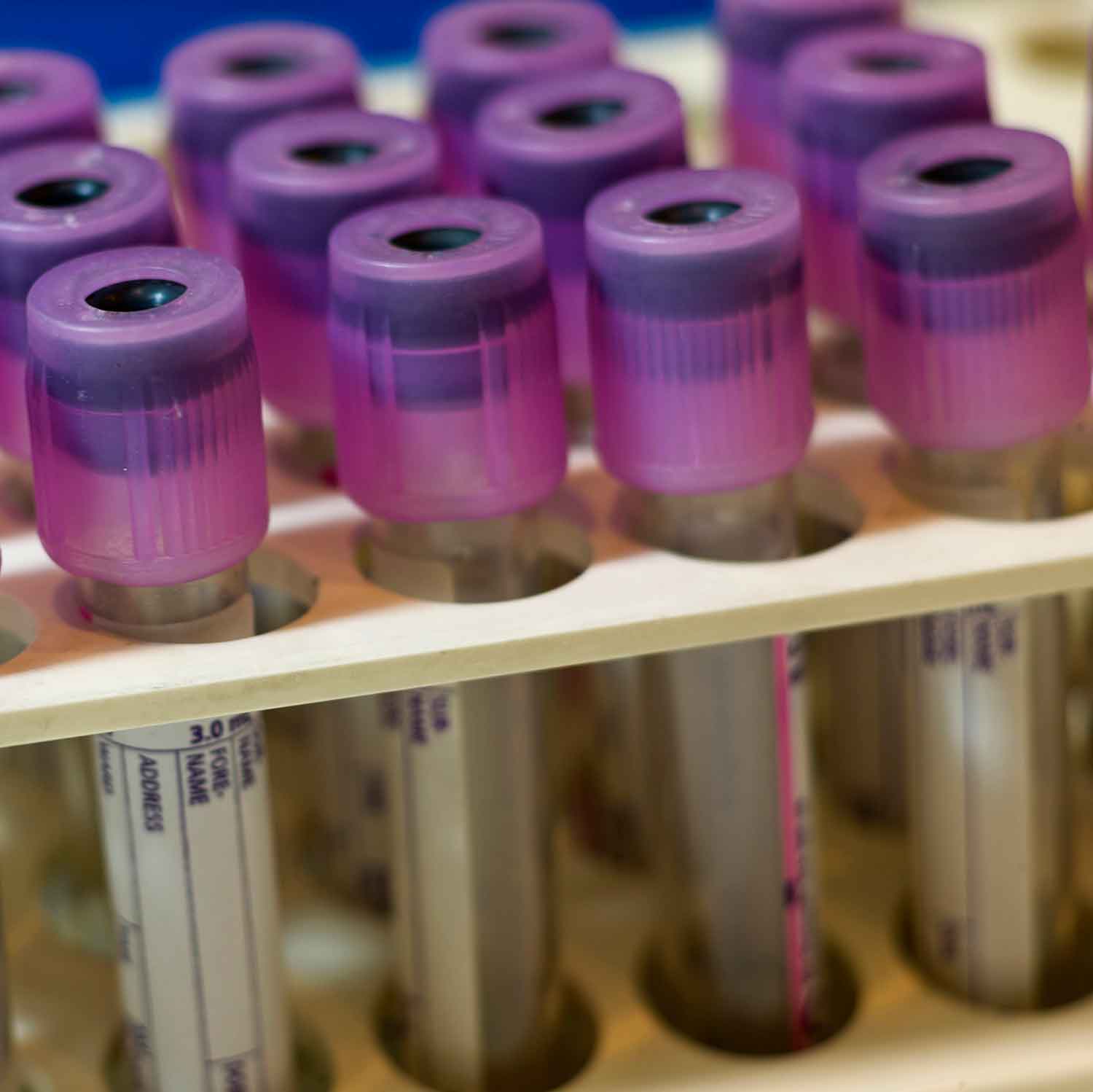
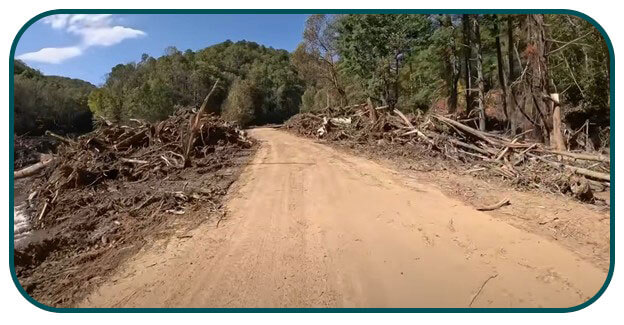
Destruction caused by Hurricane Helene. Photo: NCDHHS DPH.
As we enter a new hurricane season, it is important to reflect on the most destructive hurricane ever to strike Western North Carolina—an area not typically associated with such devastation. In 2024, Hurricane Helene caused more than 100 deaths, destroyed thousands of homes, washed out thousands of miles of transportation infrastructure, eliminated communication networks, and contaminated countless private drinking water wells that served as the primary water source for millions of residents. As floodwaters receded, the region faced significant challenges in ensuring that well water was again safe to drink. The widespread destruction of basic infrastructure forced the North Carolina Department of Health and Human Services’ Division of Public Health (NCDHHS DPH) to rethink its standard approach to well water restoration.
Rainfall totals reached 10–20 inches across much of WNC, with some areas receiving up to 30 inches of rain. The region’s mountainous terrain amplified flooding impacts and thousands of wells were under flood waters. As flooding receded, state officials recognized that traditional methods of well assessment and remediation, including site visits to individual homes, would not work. Roads and highways had been destroyed, making site visits nearly impossible and severely limited residents’ ability to travel for supplies or assistance.
NCDHHS DPH developed a direct-to-consumer (DTC) approach for drinking water well recovery, built around the principle of “disinfect before you collect.” Teams from DPH assembled well recovery kits comprised of disinfecting supplies including a bucket, chlorine packet, hoses and a funnel, and bacteriological testing materials including alcohol swabs, a barcoded collection container and a barcoded instruction sheet that allowed homeowners to retrieve results. Combining both components into a single kit simplified the process and reduced the number of trips displaced residents needed to make to DTC pickup sites. The recovery kits also included links to instructional videos that homeowners could access once cellular service was restored. Approximately 10,000 free well recovery kits were distributed across the region.
The storm also prompted a reevaluation of how well testing kits were packaged. Individual shipping canisters for each sample created a bottleneck in distribution. Although the canisters protect single bacteriological samples, they are bulky, expensive and slow down distribution. To overcome this obstacle, bulk “storm well testing kits” were developed containing 50 individually packaged sample packets. Each packet included a barcoded collection vessel in a bubble-wrap sleeve, a submission form, and the instruction sheet sealed in a zip-closure bag. This bulk approach allowed thousands of collection kits to be safely distributed within days of the storm.
Transporting samples required laboratory network and courier coordination to meet holding-time requirements. When residents returned their samples to DTC sites, they were triaged and routed to one of several testing locations: the North Carolina State Laboratory of Public Health (NCSLPH), an EPA Region 4 mobile laboratory, or one of several certified local health department (LHD) laboratories with expanded capacity. The NCSLPH supplied reagents to LHD laboratories. Both the NCSLPH and the EPA mobile labs operated on extended work schedules to ensure timely testing. This coordinated drinking well testing network approach successfully delivered samples within required hold times and return results quickly despite the region’s difficult conditions.
Returning results to residents required multiple strategies. With limited internet access in WNC, all positive results from NCSLPH testing were called to homeowners by the laboratory or LHD staff. In addition, the NCSLPH created a dedicated website where PDF copies of all reports were posted. Homeowners with online access could quickly retrieve their well results using their barcoded instruction sheet.
Hurricane Helene underscored the need for severe weather preparedness across all parts of the state. Future public health responses for tropical storms will be informed by the lessons of Helene with strategies that reflect the state’s diverse landscapes from mountains to coast.
Key Modifications to Hurricane Response Plan
|