
Why Public Health Emergency Preparedness Funding Matters for Public Health Laboratories
Public health laboratories are a foundational component of the nation’s public health emergency preparedness and response system. From detecting emerging infectious diseases to supporting responses to chemical, radiological and biological threats, laboratories provide timely, high-quality data that inform life-saving decisions. US Centers for Disease Control and Prevention Public Health Emergency Preparedness (PHEP) cooperative agreement funding plays a critical role in sustaining and strengthening this capacity, ensuring that public health laboratories remain ready to respond to both known and unforeseen threats.
On an annual basis, PHEP provides approximately 90% of the funding that supports public health preparedness and response activities. In the wake of the 2001 anthrax attacks, total PHEP funding to public health agencies peaked in 2003 at $970 million, including $167.7 million dedicated to public health laboratory biological and chemical preparedness. Since that time, funding levels have declined substantially. In fiscal year 2023 (July 1, 2023, to June 30, 2024), total PHEP funding decreased to $661.9 million, with $92.5 million allocated to public health laboratories.
PHEP funding enables laboratories to maintain core preparedness capabilities that are difficult to sustain through routine funding streams alone. Emergency preparedness requires surge capacity, redundancy and specialized expertise—capabilities that may not be fully utilized during routine operations but are essential during crises. PHEP resources support the acquisition and maintenance of critical laboratory instruments, reagents and consumables; ensure access to secure and resilient information systems; and help laboratories maintain validated methods for high-consequence pathogens and hazardous agents. Without PHEP funding, many laboratories would struggle to maintain these readiness capabilities between emergencies.
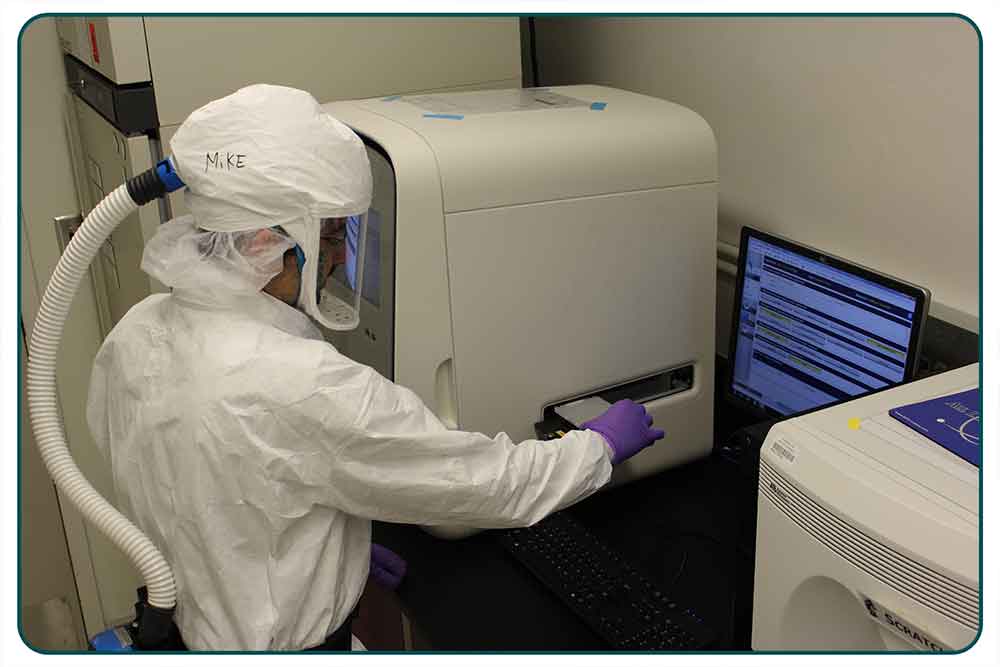
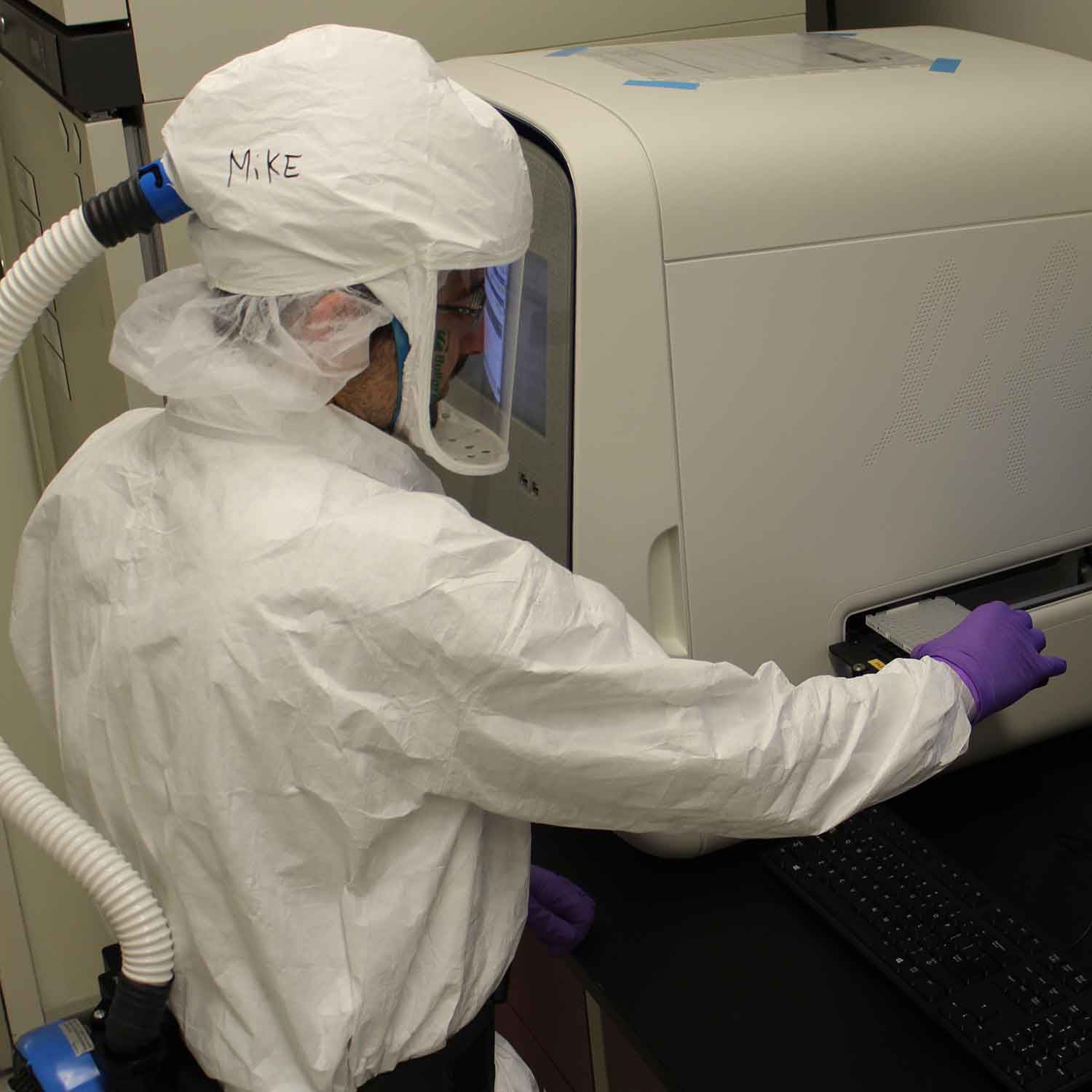
Michael J. Perry, DrPH, MEd, Director of the Biodefense Laboratory at the New York State Department of Health Wadsworth Center, loads a polymerase chain reaction (PCR) plate into a QuantStudio™ Dx instrument in preparation for Laboratory Response Network for Biological Threats Preparedness testing. These activities are supported through PHEP funding to strengthen public health laboratory response capabilities.

Key Values of PHEP Funding
Workforce Development and Retention
Preparedness is only as strong as the people implementing it. PHEP investments support training, exercises and competency development for laboratory scientists, biosafety professionals, data analysts and laboratory leadership. These funds enable cross-training to ensure continuity of operations, support participation in national laboratory networks and help build leadership and response coordination skills. In an era of workforce shortages and increasing technical complexity, PHEP funding helps laboratories recruit, retain and sustain a skilled workforce capable of responding under pressure.
Laboratory Integration Within Broader Emergency Response Systems
Public health emergencies require coordinated action across epidemiology, emergency management, healthcare and federal partners. PHEP resources support planning, communication systems and exercises that ensure laboratories are fully integrated into incident command structures and emergency operations centers. This coordination allows laboratory data to be rapidly translated into actionable public health decisions, supporting timely risk assessments, resource allocation and public messaging.
Innovation and Adaptability in Laboratory Preparedness
Recent emergencies from COVID-19 to mpox to novel influenza strains have demonstrated that threats evolve quickly and often unpredictably. PHEP investments allow laboratories to pilot innovative technologies, such as advanced molecular diagnostics, genomic sequencing and data modernization tools, and to adapt workflows to emerging needs. This flexibility enables laboratories to pivot rapidly during emergencies while maintaining quality and safety standards.
Mitigates Health, Economic and Societal Impacts of Public Health Emergencies
Early detection, rapid testing and reliable laboratory data reduce delays in response, limit disease spread and support more targeted interventions. By strengthening preparedness before an emergency occurs, PHEP funding helps avoid far greater costs associated with uncontrolled outbreaks, prolonged response efforts and loss of public trust.
In an increasingly complex threat landscape, sustained PHEP funding is not optional—it is essential. Continued investment ensures that public health laboratories remain resilient, adaptable and ready to protect communities when emergencies arise. Strengthening laboratory preparedness through PHEP funding ultimately strengthens the entire public health system and safeguards the health and security of the nation.