.png?sfvrsn=a4dc1c5f_6)
An Investigation of Salmonella Infections Linked to Moringa-Containing Products Was Reopened: What to Know About the Recalls and the Response
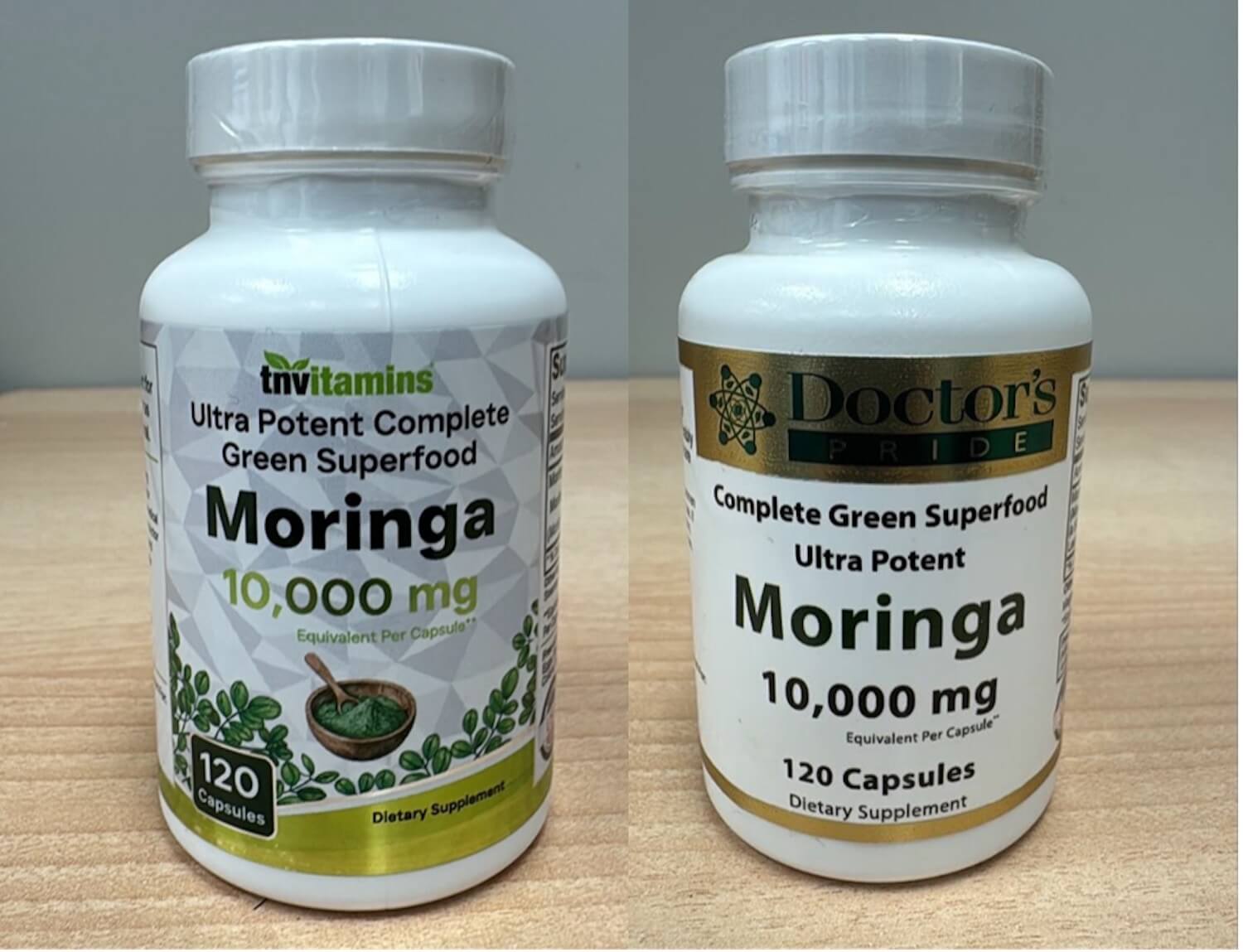
In March, the US Centers for Disease Control and Prevention (CDC) and the US Food and Drug Administration (FDA) closed an investigation linking moringa powder dietary supplements to a multistate outbreak of Salmonella Typhimurium and Salmonella Newport infections. Moringa powder, derived from the leaves and pods of the moringa tree, is considered a vitamin- and mineral-rich “superfood.”
The products in question were recalled, and retailers moved to take them off shelves, but in May, after new Salmonella illnesses in several states were linked to moringa leaf products not involved in the first recall, the CDC and FDA reopened the investigation. The manufacturers included TNVitamins, Doctor’s Pride, Live It Up and Why Not Natural.

Connecting the dots
Pinpointing the source of any outbreak is a multi-step process.
On the laboratory side, once a clinical lab determines a sample is positive for a pathogen like Salmonella, it’s sent to a public health lab for confirmatory testing and whole-genome sequencing (WGS).
WGS allows investigators to compare bacterial genomes from different patients; determine whether infections are caused by the same strain; compare patient isolates with bacteria recovered from the products (in this case, moringa products) and identify clusters indicating a common source.
The data is uploaded to PulseNet, the national laboratory surveillance network coordinated by CDC and used by public health and food regulatory partners, including CDC and FDA. This enables investigators to compare DNA fingerprints from patients and moringa isolates nationwide, helping detect multistate outbreaks and identify new cases as they occur. Through networks such as PulseNet, CDC and FDA provide technical assistance and coordinate public health response activities, including guidance on recalls and public health alerts.
Getting online products off shelves
The reopened investigation centered around a variety of moringa dietary products sold primarily online via company websites and outlets such as Amazon, TikTok Shop, eBay and more.
While the companies initiated recalls, removing products from the online marketplace can be challenging, said APHL’s Jennifer Adams, program manager, Food Safety.
“These supplements are sold primarily through online marketplaces and often by multiple third-party sellers, so tracing affected products and notifying consumers can be difficult,” Adams explained. “What’s more, moringa products are imported internationally from bulk lots and then packaged by separate manufacturers, further complicating traceability. Although FDA has worked with companies to recall and destroy contaminated lots, these shelf-stable products may remain in consumers' homes long after a recall.”
CDC and FDA urged both retailers and consumers to not distribute, sell or consume any recalled product; instead, throw the product away and thoroughly clean any surfaces it may have touched with hot water and soap. Contact the manufacturer for refund instructions. If any symptoms of Salmonella infection arise (diarrhea, bloody diarrhea, vomiting, fever, stomach cramps and signs of dehydration, such as a dry mouth and decreased urine output), contact a healthcare provider.
The FDA investigation has been completed and CDC has declared the outbreak over.