.png?sfvrsn=a4dc1c5f_6)
Lab Scientists Under the Microscope: Meet Crystal Barrett
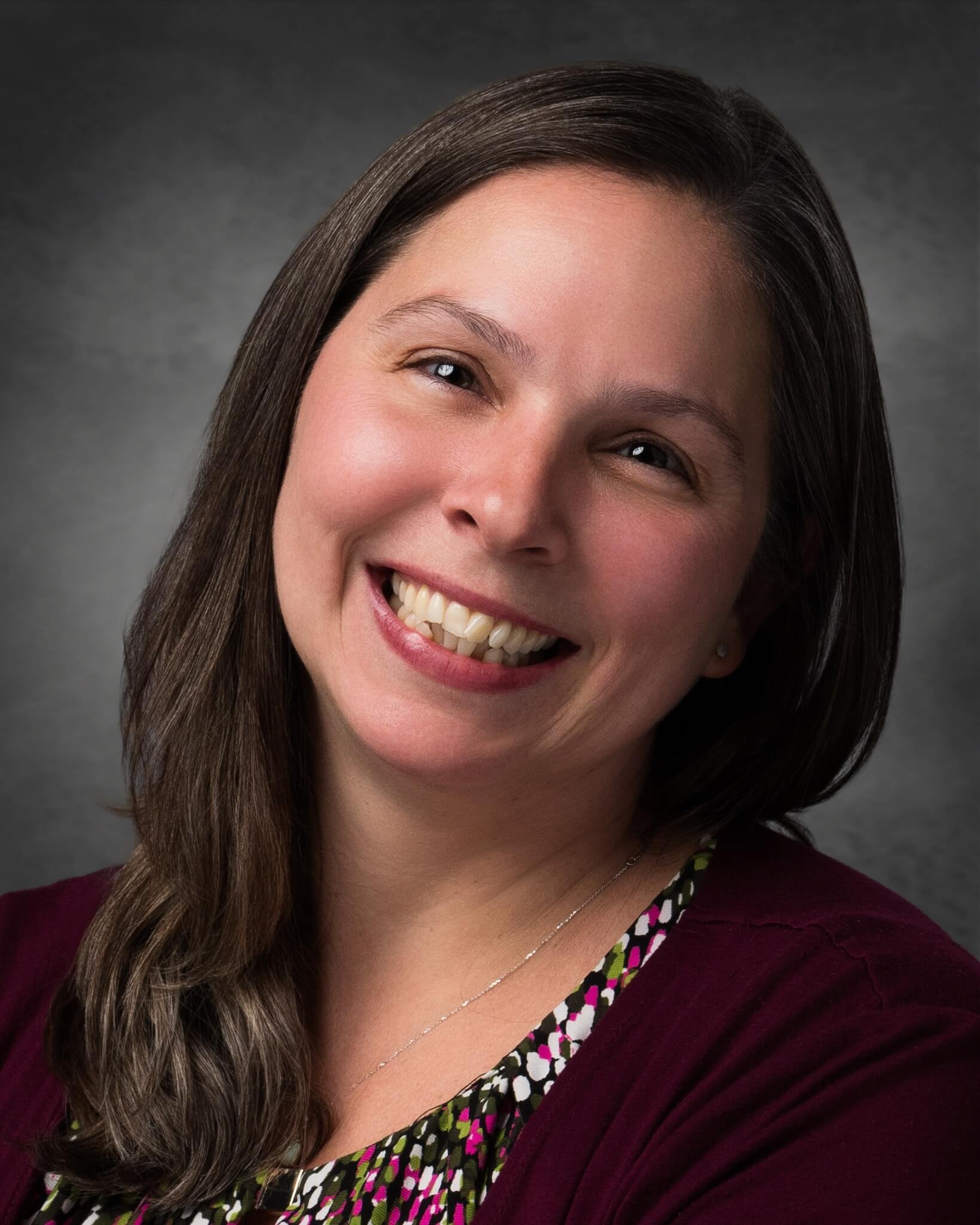
In celebration of Lab Week 2026, we’re putting names and faces to some of the thousands of public health laboratory professionals who work tirelessly behind the scenes protecting America’s health. In this special edition of “Lab Scientists Under the Microscope,” we’re focusing on APHL committee members, who serve the public and the organization as it turns 75.
Over the course of Lab Week, we’ll introduce you to some of these dedicated professionals and shed light on what led them to laboratory science, what they find most fulfilling about their jobs and what they wish people outside the lab knew about their roles.
Meet Crystal Barrett, Laboratory Systems Improvement and Training Manager, Virginia Division of Consolidated Laboratory Services

How did you get interested in lab science?
At 4 years old, I learned the word paramecium [a microscopic single-celled organism] from my dad and got to see them under his microscope, swimming around in the pond water he had us collect. This whole invisible world of living and growing things fascinated me and captured my imagination. I knew then and there I wanted to be a scientist when I grew up!
What’s the most fulfilling or exciting aspect of your job?
The opportunity to learn from others and grow together.
Because my work touches so many different parts of public health—both within the Division of Consolidated Laboratory Services (DCLS) and across the Commonwealth—I get to collaborate with professionals who bring unique expertise, perspectives and challenges. Whether we’re improving a workflow, developing a new training or sharing resources through the Commonwealth’s Learning and Development Network, there’s something special about seeing people connect the dots, build confidence and elevate each other’s skills. It’s fulfilling to know that the systems or trainings we provide don’t just check a box—they make someone’s day easier, help them serve the public more effectively or give them tools they didn’t have before. Those moments, when you can see someone feel supported, understood or empowered, are the ones that stay with me.
What jobs have you had outside the lab? Did any of them prepare you for lab work?
I first started working as a live-in nanny for a multigenerational family on a farm. I was responsible for the daily care of a toddler while also supporting the aging grandparents and uncles who lived there. We cooked eggs collected from their chickens on a wood stove using Grandma’s cast-iron skillet. This experience taught me so much about patience, hard work, empathy and the value of limited resources—things I think we can all relate to in public health.
I’ve also had several positions in various laboratory settings over the years, including a sleep disorders laboratory where I learned that patient interaction is only for the kindest and strongest of us all, and an ecological DNA laboratory where I learned how essential it is to pay attention to your dilutions, pipetting and agar-making skills for quality results.
Where I learned the most about customer service, and where I experienced the great satisfaction that comes with helping people, was my job managing an office supply store. This sounds very mundane, but the reality is that this store was on the walking path of a retirement community, and the majority of my regular customers needed not only help finding the perfect gift to welcome a new grandchild, the exact ink to go in their family heirloom fountain pen or the correct typewriter cartridge to ensure they could send a letter to a loved one, but they also needed to share their stories and have someone listen and engage. This has been a truly great honor in my life to have been that person for so many over the years I was there.
One of the last jobs I had before taking on my career at DCLS was working at a science museum as an outreach educator. We designed hands-on experiments and activities that reinforced the concepts students in grades K-8 were learning in their classrooms and delivered them to these bright young learners throughout the Commonwealth. In this role, I was privileged to get a small window into the lives of some of our most vulnerable populations, sitting in tiny trailers instead of air-conditioned classrooms and coming from all types of backgrounds and home environments to look at this stranger who has come to teach them about STEM. When they got to push a knitting needle through a balloon without popping it to learn about polymers, and dump water into a kiddie pool and use a laser pointer to follow the stream for lessons on fiber optics … their faces would light up. Their daily concerns were on pause for just a little while, and they could envision something bigger and more amazing than they had previously imagined. That, to me, is what science and the incredible work of public health is all about!
APHL is turning 75 this year. What kind of impact do you think the organization has had on your lab? On your work as a lab scientist?
Through our participation in the APHL Mid Atlantic Consortium, we have been able to develop and deliver high-quality laboratory training content, such as the Lab Skills 101 series, and impactful professional development, such as Compassion Fatigue and Masterful Meetings.
In my past role as a training coordinator at DCLS, I was able to work with APHL to provide the “rule out or refer” wet workshops and packaging and shipping training to our clinical sentinel laboratories throughout the state. These trainings have helped ensure safety and quality in specimen identification and sample submission.
What is your committee role at APHL? How (and why!) did you get involved in committee work?
I am currently the chair of the Laboratory Systems and Standards committee. So many of us in public health face similar challenges. When we’re able to work together and use the combined experience and knowledge of the committee members, we not only get a dynamic perspective to inform the effort, but we also get to leverage their diverse subject matter expertise and lessons learned to create something that is universally adaptable for each organization. This is speaking my love language—lots of wonderful people sharing their knowledge and using it for the greater good to help make everyone’s work more efficient!
Laboratory work is often invisible. What’s one thing you wish the average person knew about public health laboratory work?
I wish people knew how their daily lives were improved and impacted through the essential work of public health. For example, when you take your family on vacation to the beach and have a picnic, you usually don’t think twice about whether the water and the food are safe — but public health laboratories have quietly made that possible in more ways than most people realize. Those “Beach Advisories” you see posted? They aren’t guesses. The water you’re swimming in was tested for harmful bacteria and algal toxins. The food in your cooler? It’s been safeguarded through surveillance and outbreak prevention. And whether you filled your reusable bottle at home or bought bottled water on the way, public health labs test municipal systems and private wells for chemical contaminants, microbes and even emerging threats. The fact that you never think twice about taking a sip on a hot day is exactly the point.
Public health lab work can be serious and complex. How do you inject fun into your workplace?
We celebrate Lab Week each April and Public Health Laboratory Appreciation Month in September with games like corn hole and Lab Jeopardy, activities like t-shirt tie-dye, scavenger hunts and, of course, lots of food! We do picnics, coordinate trips to local minor league baseball games, participate in On the Square events at the Capitol and so much more. One of my favorite activities is when the winner of the chili cook-off gets to put a cream pie in the face of the manager representing the losing team from Penny Wars!