On November 2, 2026, all links to Lab Matters articles published before 2026 on the Joomag platform will expire! Contact us if you need access to a specific article that will soon be unavailable online.

Year built: 2009
Location: City of Fairfield, County of Solano, California
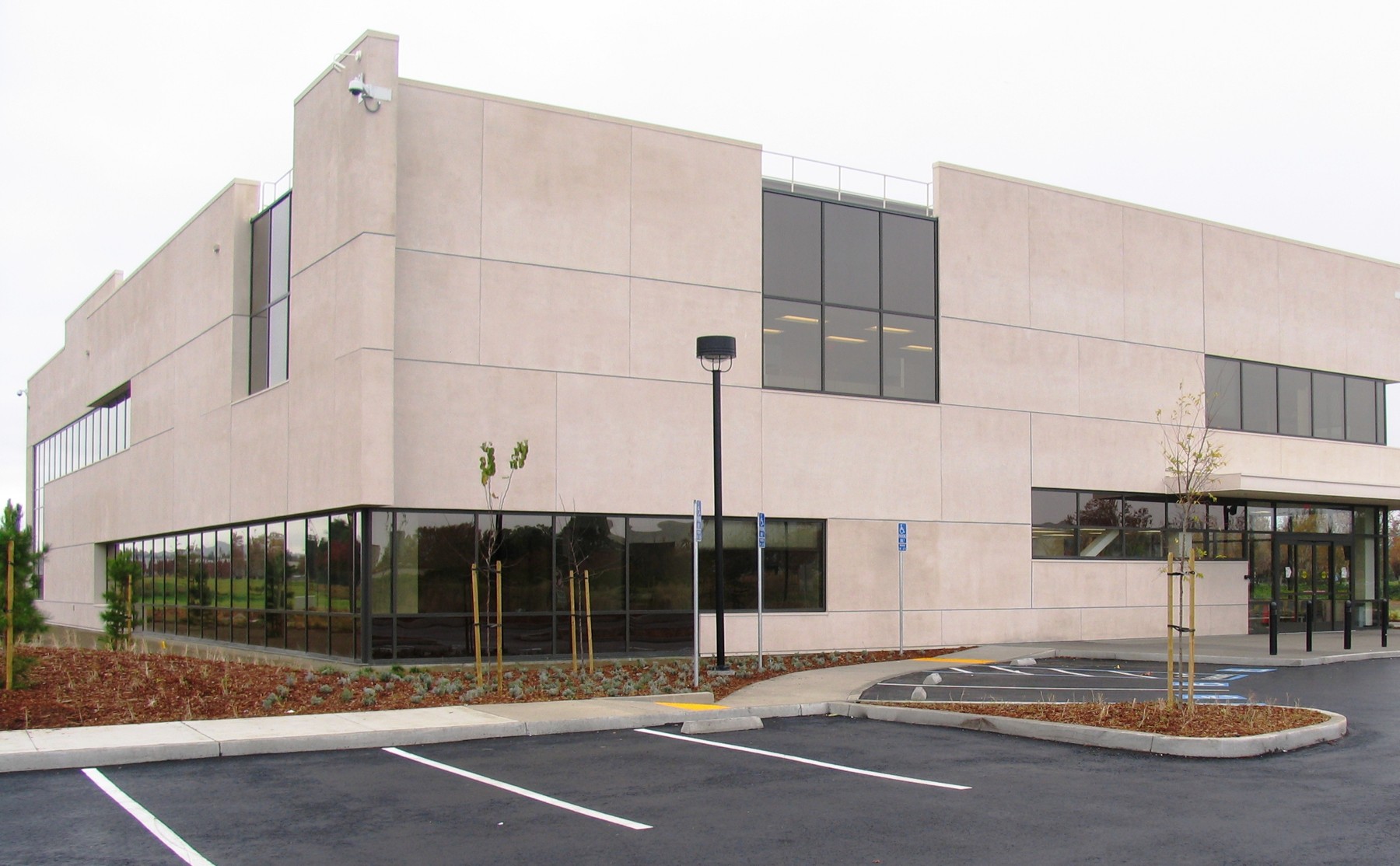
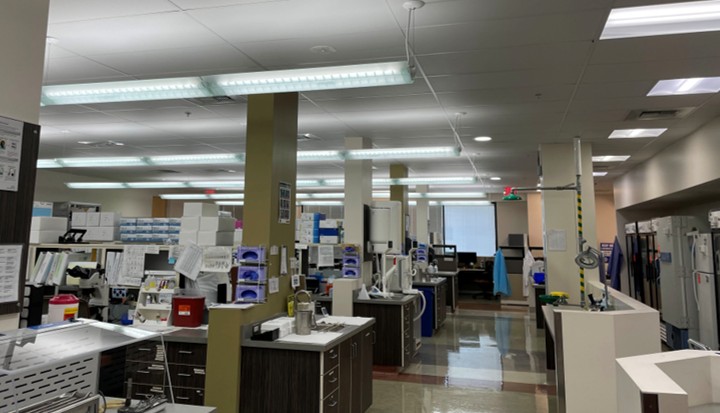
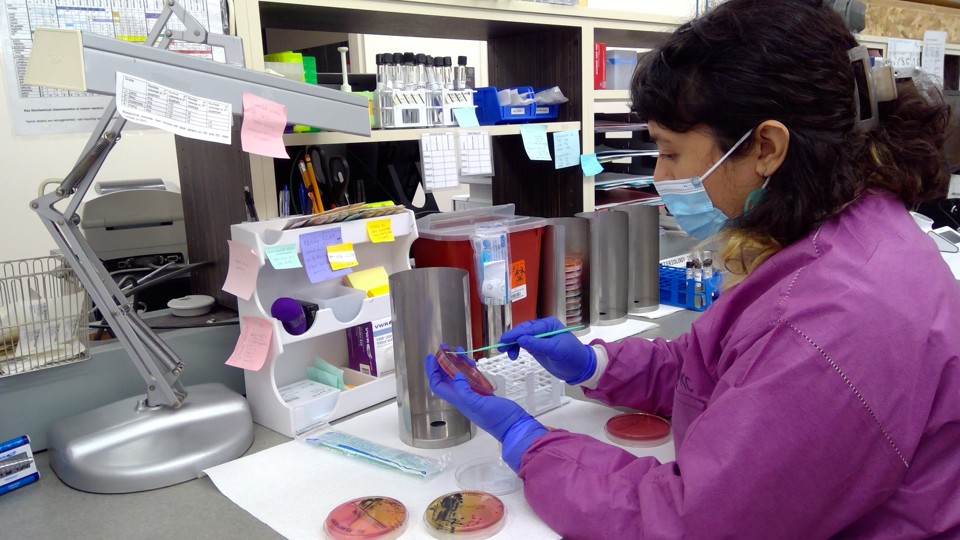
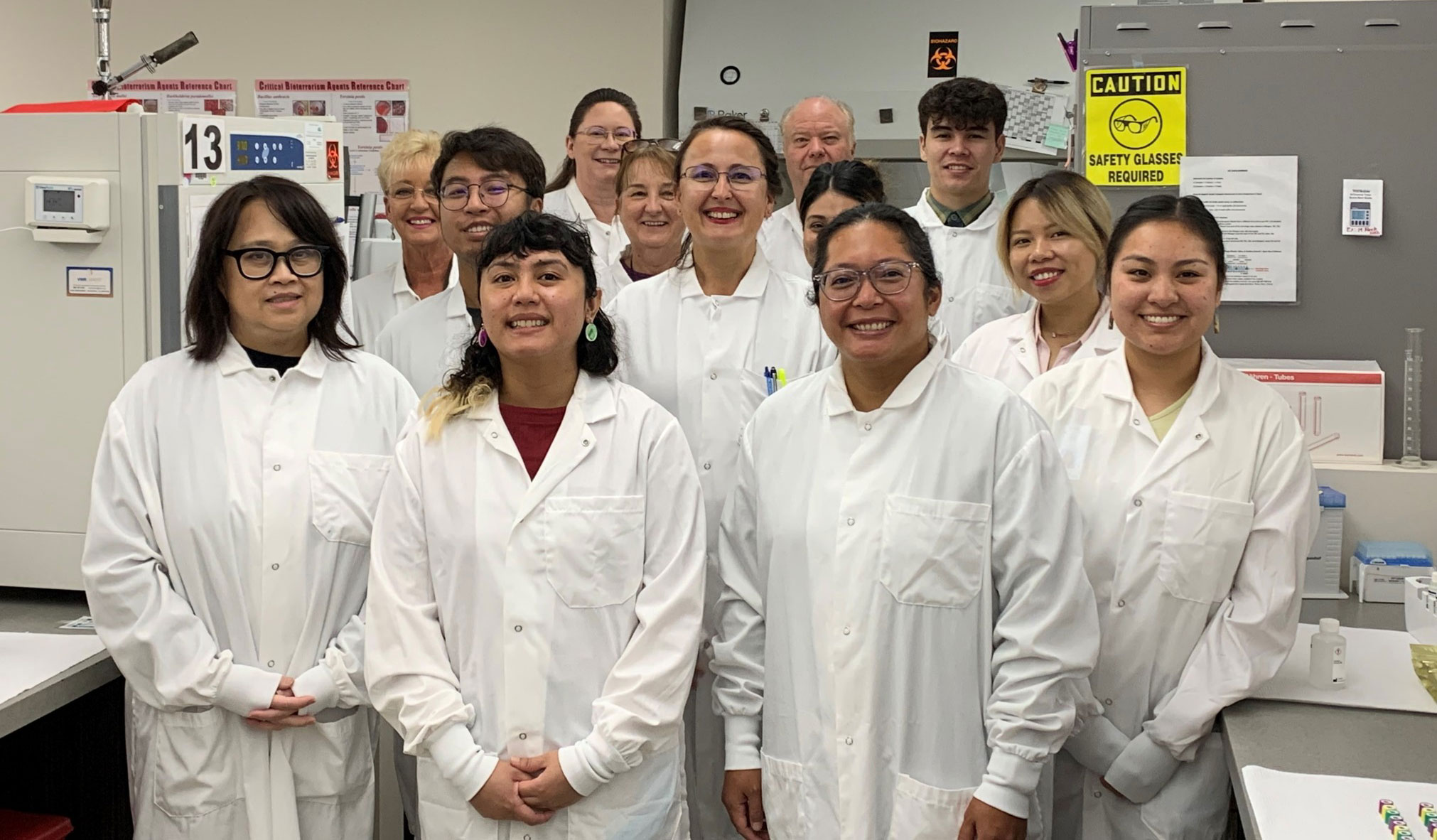
Facility: The Solano County Public Health Laboratory was founded more than 50 years ago and was first located in a former canning factory on Tuolumne and Tennessee Streets in Vallejo. The laboratory moved to its current location in November 2009. The Napa-Solano-Yolo-Marin Public Health Laboratory (NSYM PHL) is a specialized, regional public health facility serving healthcare professionals, law enforcement and residents across four California counties. Managed through Solano County Health and Social Services, it performs crucial functions in outbreak monitoring, infectious disease control and environmental testing
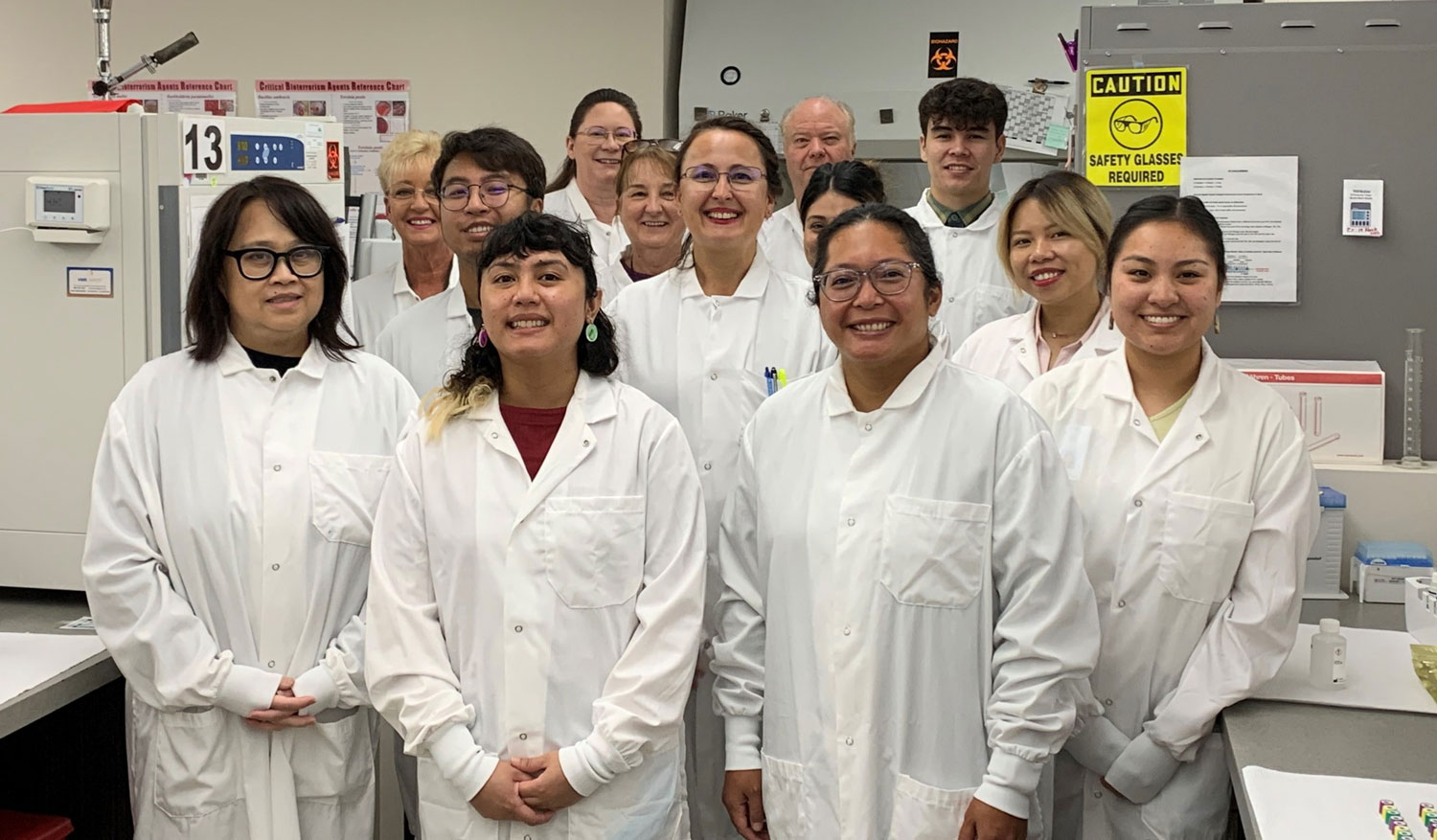
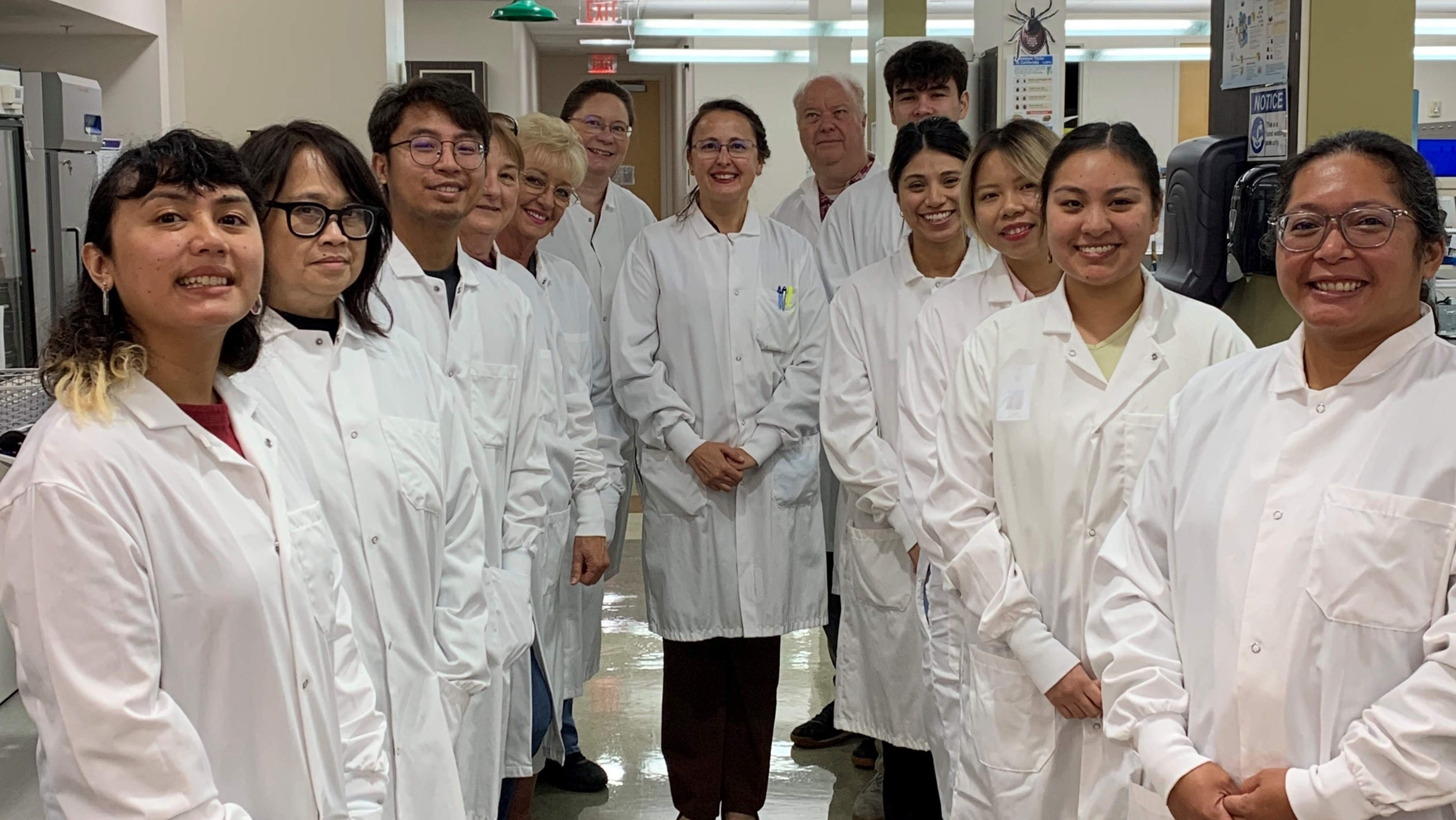
Number of staff: 14
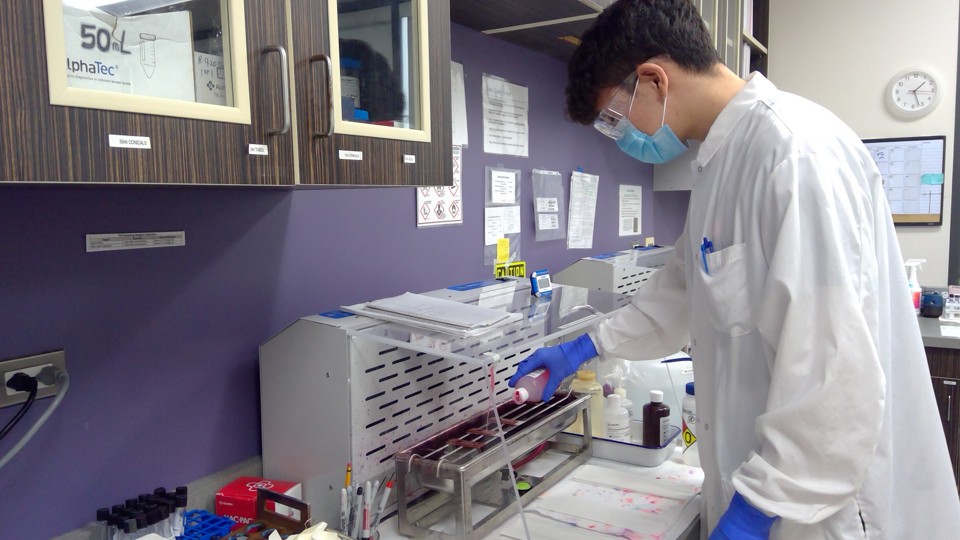
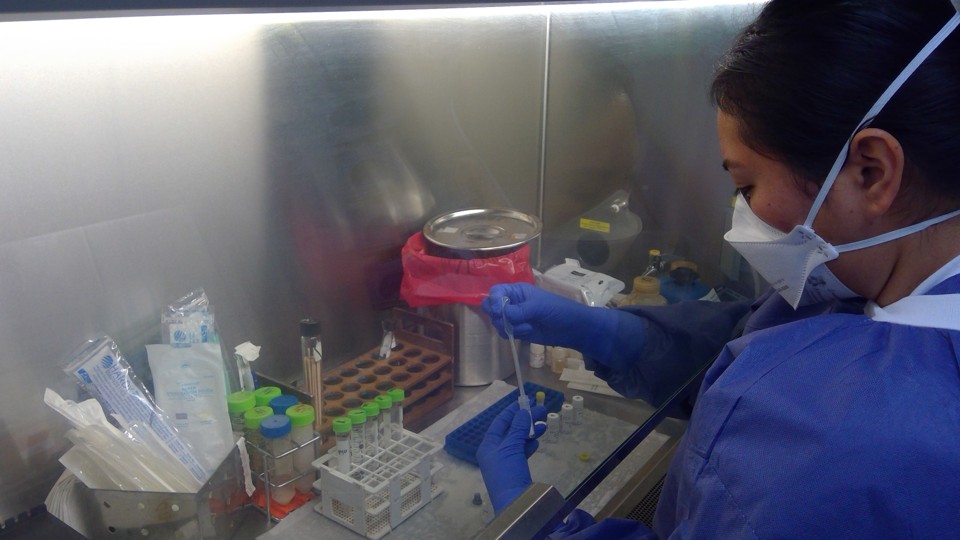
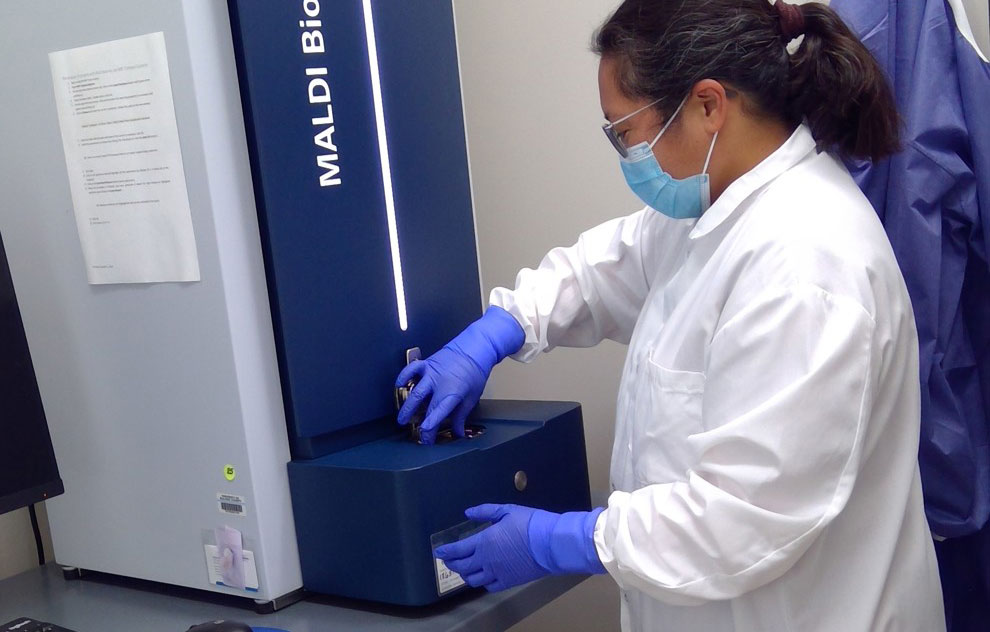
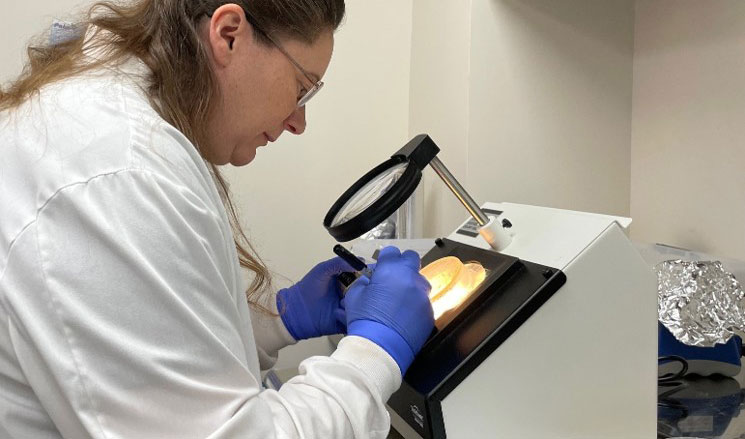
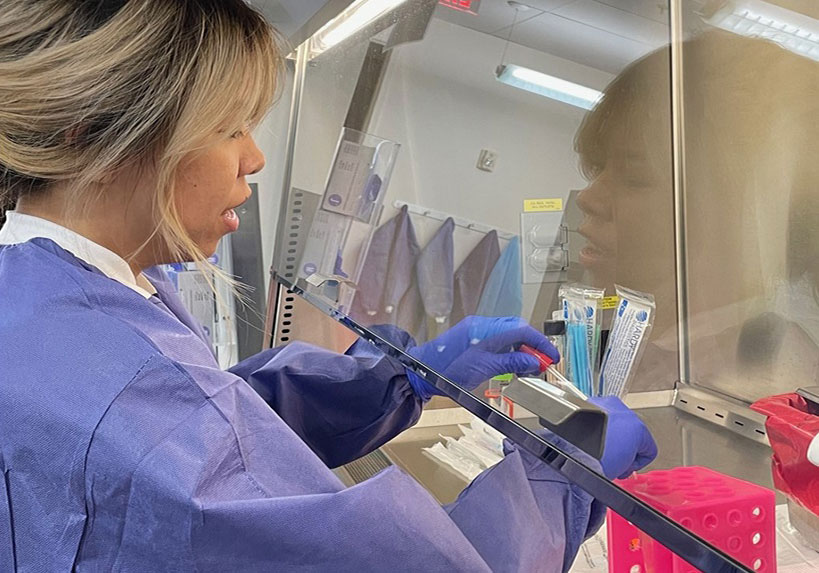
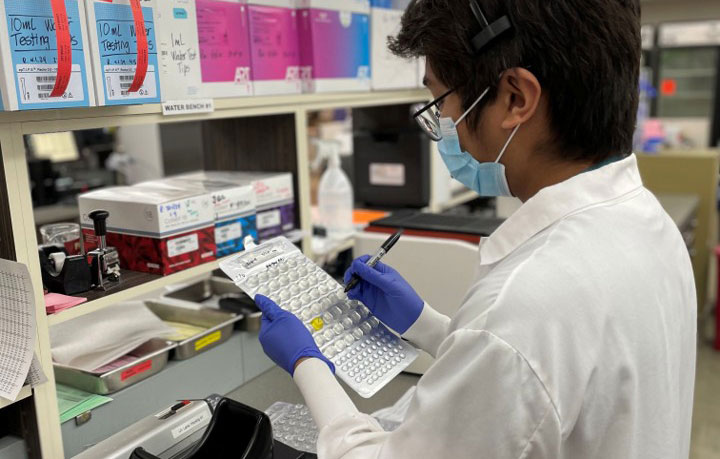
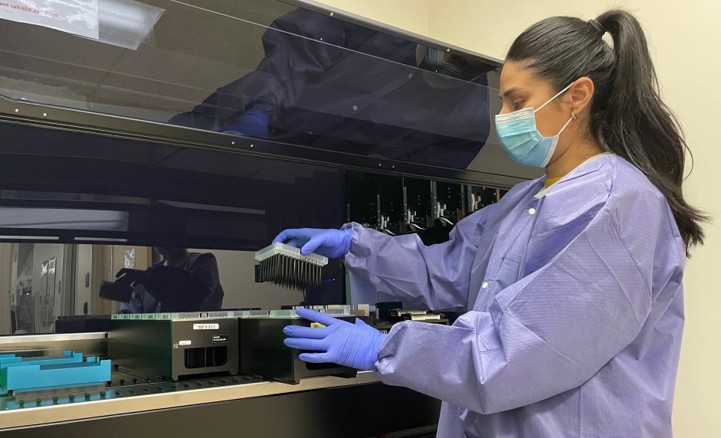
Distinguishing characteristics: NSYM PHL primarily performs diagnostic, reference and environmental testing focused on infectious diseases to four counties in California with a total population of over 1 million people. It offers a variety of testing:
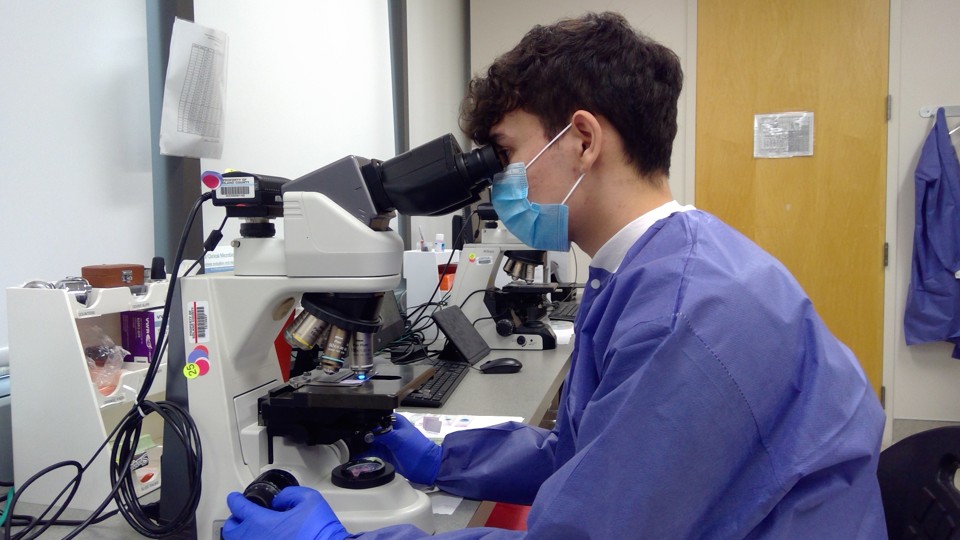
Highest volume testing: Mycobacteriology, using acid-fast bacilli (AFB) smears and cultures, QuantiFERON Gold-Plus (TB testing) and MTB/Rif GeneXpert molecular testing.
Notable success story: The laboratory won the prestigious Healthiest Laboratory Award from APHL in 2026, specifically recognizing its excellence in environmental sustainability and workforce safety, such as:
Biggest challenge: Workforce training and staff retention with rising cost of living.