
Behind the Scenes: How Public Health Laboratories Prepare for Major Events
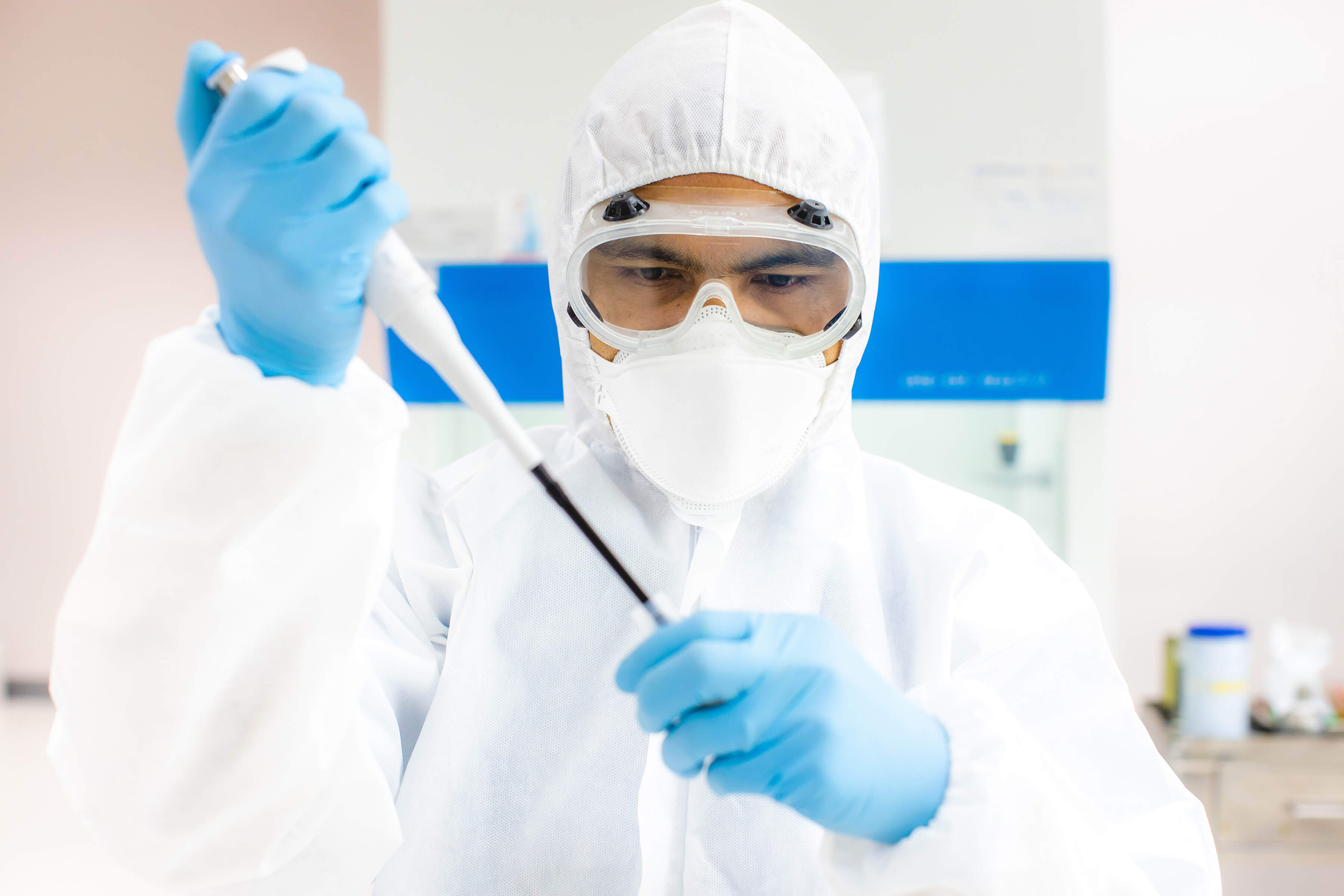
When a city hosts a major event, such as a championship sporting event, an international summit, political convention or large-scale festival, the logistical preparations are immense and highly visible. Security personnel, traffic management, emergency medical services and crowd control preparations all ramp up in advance. However, what the public rarely sees is an equally critical layer of preparation happening in public health laboratories that are working hard to be ready to detect and respond to any potential infectious disease threats, chemical exposures and radiological incidents. Public health laboratories face unique challenges that go far beyond routine operations when getting ready to respond to major events in their jurisdiction. The sudden influx of travelers from around the world, combined with mass gatherings and increased security concerns, creates conditions at a heightened risk for infectious disease introduction, rapid transmission and potential chemical or radiological incidents.
To support laboratories in building and maintaining this readiness, APHL has developed the Public Health Laboratory Readiness Checklist for Major Events. This practical resource is designed to guide laboratories in strengthening readiness, sustaining quality operations under surge conditions and enhancing coordination with local, state and federal partners before, during and after major events.

Why Preparation Matters
Major domestic and international events bring together large populations in concentrated areas, including travelers who may carry pathogens not commonly seen in the host region. This convergence dramatically increases the risk of disease introduction and rapid spread. A single undetected case can quickly become a widespread outbreak when thousands of people are sharing venues, transportation and accommodations.
Beyond infectious disease, laboratories must also be prepared for chemical and radiological incidents. Large events are potential targets for intentional acts, and accidents involving hazardous materials become more likely with increased activity and infrastructure strain. Laboratories need protocols in place for all-hazards response, not just biological threats.
Perhaps most critically, the time to build relationships with key partners is before an event, not during one. Emergency response depends on seamless coordination between public health laboratories, clinical facilities, law enforcement, emergency management agencies and other state and federal partners. Establishing these connections in advance and understanding partner capabilities, agreeing on communication protocols and practicing joint response can mean the difference between a controlled situation and a crisis.
Building Lasting Readiness
The Public Health Laboratory Readiness Checklist for Major Events is not just about preparing for a single event; it is about building awareness and partnerships that strengthen overall laboratory and community preparedness. The connections established and protocols that are reviewed and tested during major event planning continue to strengthen the system long after the event concludes, improving response to routine emergencies as well as future large-scale situations. Access the Public Health Laboratory Readiness Checklist for Major Events through the APHL Preparedness Planning and Training Resources website to begin strengthening your laboratory’s readiness today.
Inside the ChecklistThe checklist covers seven essential domains:
|