
The Laboratory Response Network Responds to the 2026 Ebola Outbreak
Established in 1999 through a partnership between CDC, the Federal Bureau of Investigation and APHL, the LRN was originally designed to strengthen the nation’s ability to detect and respond to bioterrorism. Its value became evident during the anthrax attacks of 2001, when LRN laboratories collaborated to identify the source of infections and support the public health response. Since then, the network has evolved into an integrated system of public health, hospital, veterinary, environmental, food-testing and federal laboratories capable of responding to a wide range of biological and chemical threats. |
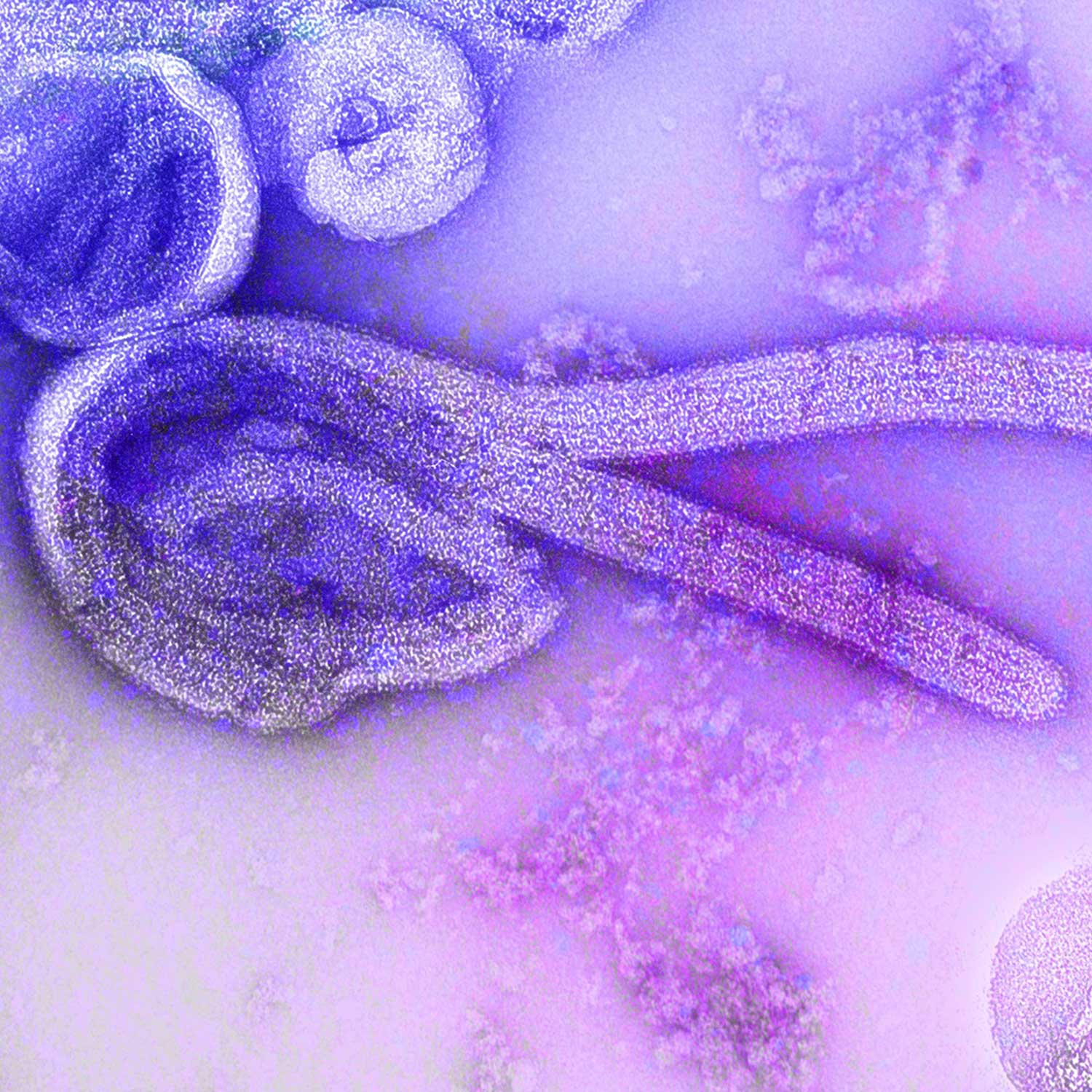
Twenty-five years after the 2001 anthrax attacks demonstrated the importance of a coordinated national laboratory response system, the Laboratory Response Network (LRN) continues to serve as one of the nation’s most critical public health preparedness assets. The recent Ebola outbreak in Central Africa underscores why this capacity remains essential.
In May 2026, the Democratic Republic of the Congo (DRC) declared an outbreak of Ebola disease caused by the rare Bundibugyo virus. Since the outbreak was first identified, cases have increased rapidly, with over 4,000 cases of suspected infections and over 2,000 deaths reported across the DRC and neighboring Uganda as of mid-June. The outbreak’s spread into densely populated urban centers and conflict-affected regions has complicated surveillance and response efforts. Recognizing the potential for regional and international spread, the World Health Organization declared the event a Public Health Emergency of International Concern (PHEIC).
The emergence of the Bundibugyo virus is particularly concerning because no approved vaccines or targeted treatments currently exist for this strain of Ebola disease. In response, the US Centers for Disease Control and Prevention (CDC) issued a Health Alert Network (HAN) advisory on May 19, notifying healthcare providers, laboratories and public health agencies of the outbreak and the need for heightened vigilance.
While the outbreak is occurring thousands of miles from US borders, it highlights the importance of maintaining domestic laboratory readiness. Through the LRN for Biological Threats (LRN-B), 45 laboratories across 36 states currently possess the capability to detect the Bundibugyo virus. This nationwide testing capacity enables rapid identification of suspected cases, supports public health investigations and provides confidence that the United States can quickly recognize and respond to imported infections.
Today’s LRN-B laboratories rely on advanced diagnostic technologies to maintain this readiness. Many laboratories capable of detecting the Bundibugyo virus have adopted BioFire testing platforms, primarily the Global Fever Special Pathogens Panel, while others utilize the Next Generation Diagnostic System (NGDS) Warrior Panel. These tools provide laboratories with the ability to rapidly screen for high-consequence pathogens and support timely public health decision-making.
As emerging infectious diseases continue to challenge global health security, the LRN remains a cornerstone of preparedness. Whether responding to bioterrorism, novel pathogens or international outbreaks with the potential to reach US communities, the network’s strength lies in its ability to connect laboratories across jurisdictions, provide advanced diagnostic capabilities and ensure that public health officials have the information needed to act quickly.
The 2026 Bundibugyo Ebola outbreak serves as a reminder that preparedness is not built during a crisis, but sustained through ongoing investment in the systems, partnerships and laboratory capacity that protect public health every day.