.png?sfvrsn=a4dc1c5f_6)
Apr 22, 2026
Lab Scientists Under the Microscope: Meet Nydea Espinoza
In celebration of Lab Week 2026, we’re putting names and faces to some of the thousands of public health laboratory professionals who work tirelessly behind the scenes protecting America’s health. In this special edition of “Lab Scientists Under the Microscope,” we’re focusing on APHL committee members, who serve the public and the organization as it turns 75.
Over the course of Lab Week, we’ll introduce you to some of these dedicated professionals and shed light on what led them to laboratory science, what they find most fulfilling about their jobs and what they wish people outside the lab knew about their roles.
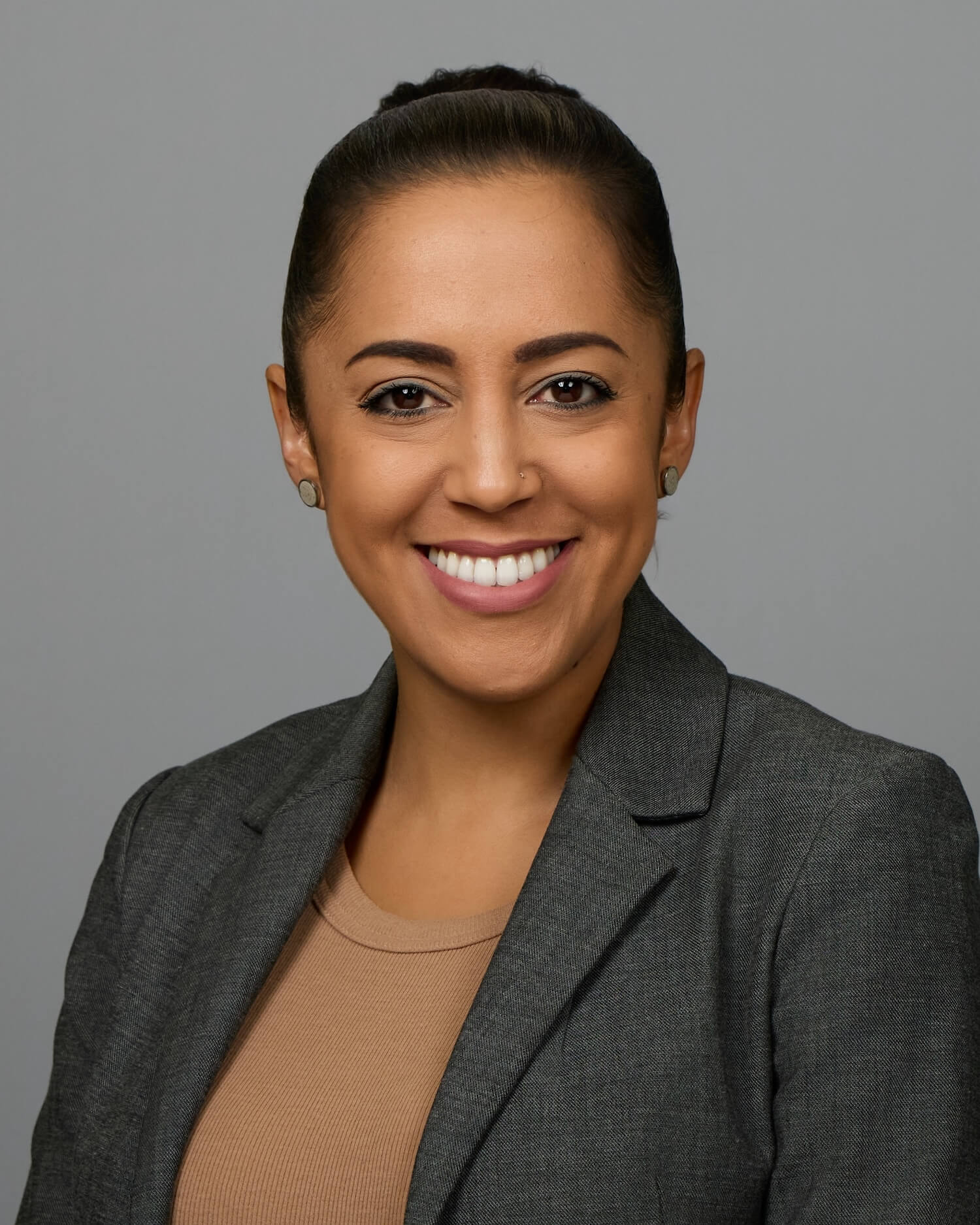
Meet Nydea Espinoza, Chemistry Bureau Chief, Scientific Laboratory, New Mexico Department of Health

How did you get interested in lab science?
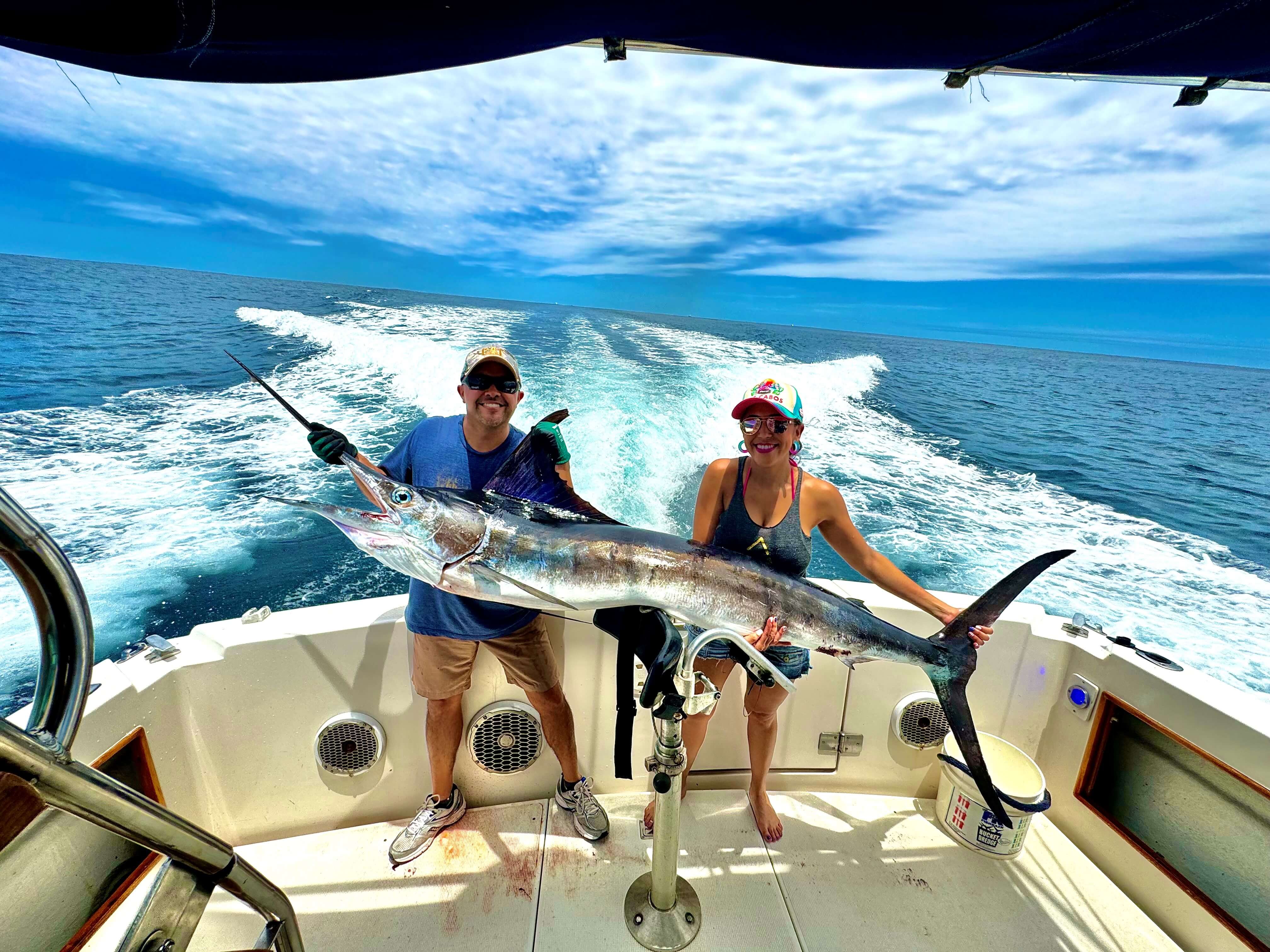
I fell in love with chemistry during 11th grade. My teacher, Mrs. Paleo, was an excellent educator and communicator. Chemistry also just clicked in my brain, and I went into college to pursue a Bachelor of Science in the subject. At the end of my first semester, I learned about a program that promoted getting undergrad students into research positions at the university’s labs. I started looking through all the different labs and was really drawn to a marine natural products lab. Part of the work involved scuba diving to retrieve marine invertebrates and algae from different coral reefs around Puerto Rico (where I’m from and where I got my degree). I interviewed with the principal investigator, took scuba diving lessons and started doing research during the second half of my freshman year, continuing in that lab until my fourth year.
What jobs have you had outside the lab? Did any of them prepare you for lab work?
I did a three-year stint as a pastry chef in Washington, DC. I worked in several restaurants, starting at a mom-and-pop place and finishing as a chef (stagiere) at José Andrés’ Minibar, currently a two Michelin-starred restaurant. The best things it taught me were how to multitask and the importance of preparing ahead (mise en place). This made days at the lab where I was simultaneously running three-to-four methods a lot smoother. It also helped me easily adapt to fast-paced, high-stress environments that require prioritization skills, attention to detail, action planning and follow through. I am also not easily bothered by long days. I have worked up to 14 hours straight on the bench or in my office, which can be arduous but much more comfortable than 17 hours on my own making pastries in a hot kitchen.
APHL turns 75 this year. What kind of impact do you think the organization has had on your lab? On your work as a lab scientist?
For me it has provided networking and training opportunities, camaraderie and financial aid to bring on fellows—that aid not only helps the laboratory, but it also allows us to give back and invest in the incoming generation of scientists.
What is your committee role at APHL? How (and why!) did you get involved in committee work?
I am on the Environmental Laboratory Science Committee. I am really passionate about supporting the lab and its people. I truly believe that if they are well supported, the whole state will be better served. I love being part of the committee because I believe that we can help make a difference for our public health labs, and therefore, for public health as a whole.
Laboratory work is often invisible. What’s one thing you wish the average person knew about public health laboratory work?
I wish they realized how hard we work to help protect and ensure public health and safety, and that includes environmental testing. I feel that sometimes (and maybe often) the public does not always recognize or know the importance and impact that our work has on public health. The Chemistry Bureau may not be testing for measles or rabies, but it is ensuring that our drinking water is safe to drink, our surface waters are safe to swim in and the fish we catch are safe to consume. All this is vital to public health, and it truly takes a village to make it happen.
Public health lab work can be serious and complex. How do you inject fun into your workplace?
I like to keep my staff on their toes, so I come up with different/unexpected activities here and there. I’ll be bringing on “Balloon Animal Breaks” soon (I know how to make these and plan to teach a few folks at a time at scheduled breaks). I also established the Staff Enrichment Team (SET) in August 2024 and am proud to chair it—it’s my passion project. A few members from all four bureaus come together to produce a monthly newsletter, hold fundraisers to support the end-of-year holiday party, organize and/or coordinate Lab Week as well as Public Health Laboratory Appreciation Month activities and host seasonal fun.
You’re speaking to a high school science class about public health laboratory work. What are some things you are sure to tell them?
I would tell them that public health laboratorians are some of the true and unsung heroes in this story called Life, that public health lab work and public service will be some of the most rewarding and fulfilling career choices they could ever make and that we need their help to continue the ongoing mission to keep the people in our state safe.