.png?sfvrsn=a4dc1c5f_6)
Responding to Ebola Threats: Three APHL Stories Highlight How Laboratories Prepare and Detect
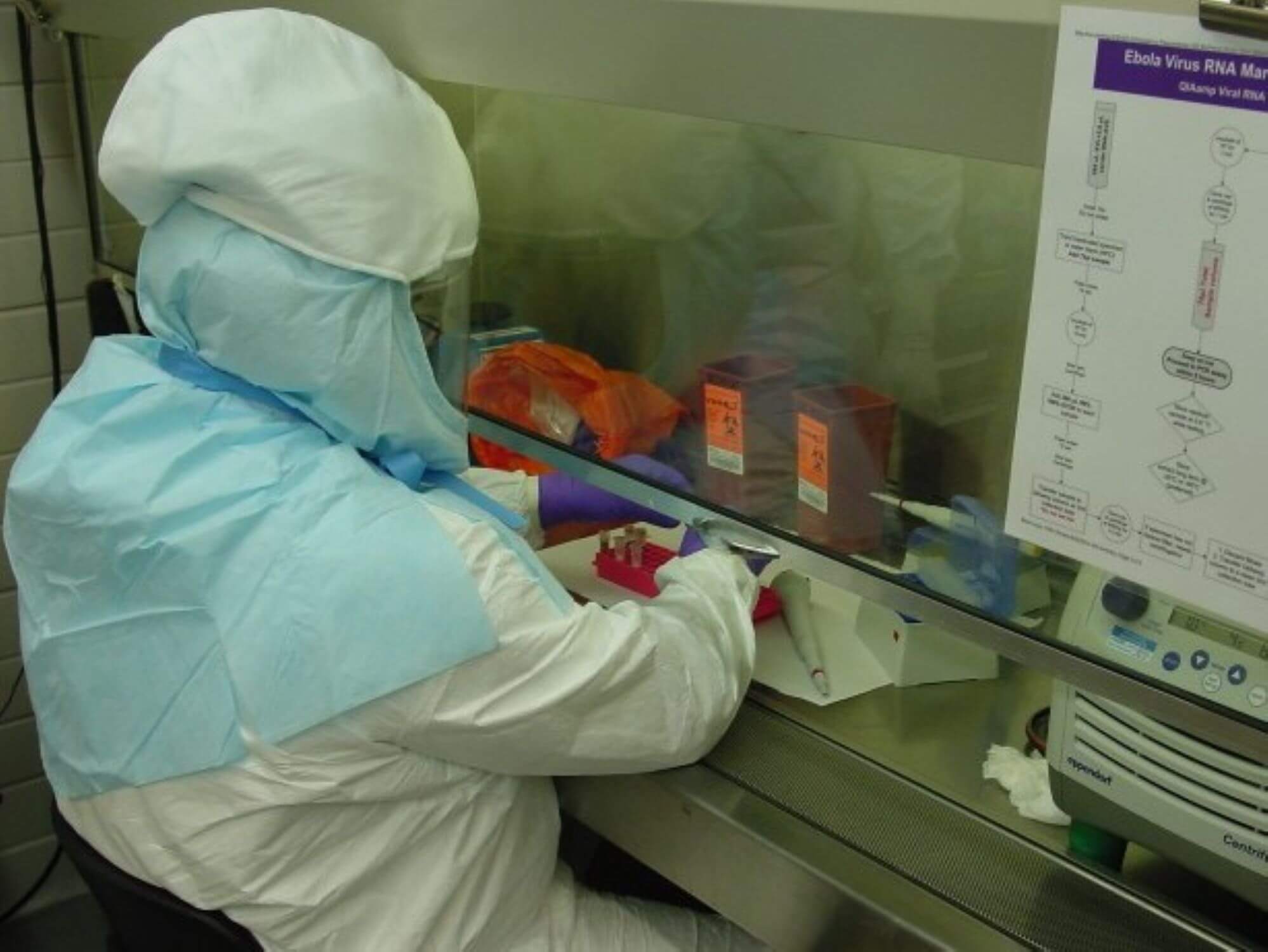
There’s a new Ebola outbreak in the Democratic Republic of the Congo (DRC) and Uganda, which the World Health Organization has classified as a Public Health Emergency of International Concern. This particular outbreak is tied to the Bundibugyo strain of the virus, for which there is no vaccine and carries a 30% mortality rate. Since early May when the outbreak began, the US Centers for Disease Control and Prevention says roughly 600 cases and more than 100 deaths have been confirmed, and the numbers continue to climb.
This is the 17th recorded Ebola outbreak in the DRC since the virus was first identified 50 years ago. And while there have been no confirmed cases in the US associated with this outbreak (and the overall risk to Americans is low), America is not immune to viruses like Ebola, which are generally endemic to Africa.
In 2014, the US saw its first confirmed case of the virus, imported into the country by a traveler from Africa who ultimately died from the infection. Two nurses who treated the patient also had confirmed cases but recovered. Those cases, as well as the outbreak currently in the news, shine a light on the important work public health laboratories perform in responding to Ebola outbreaks. What does Ebola surveillance and detection look like? How is the virus contained? What prevents an outbreak in Africa or elsewhere from reaching our shores? Below is a collection of APHL stories highlighting each of those topics and the critical role of public health laboratories.