.png?sfvrsn=a4dc1c5f_6)
The Exciting Promise of Wastewater-Based Surveillance: An Ongoing Pilot Program in Tanzania Is Showing Potential
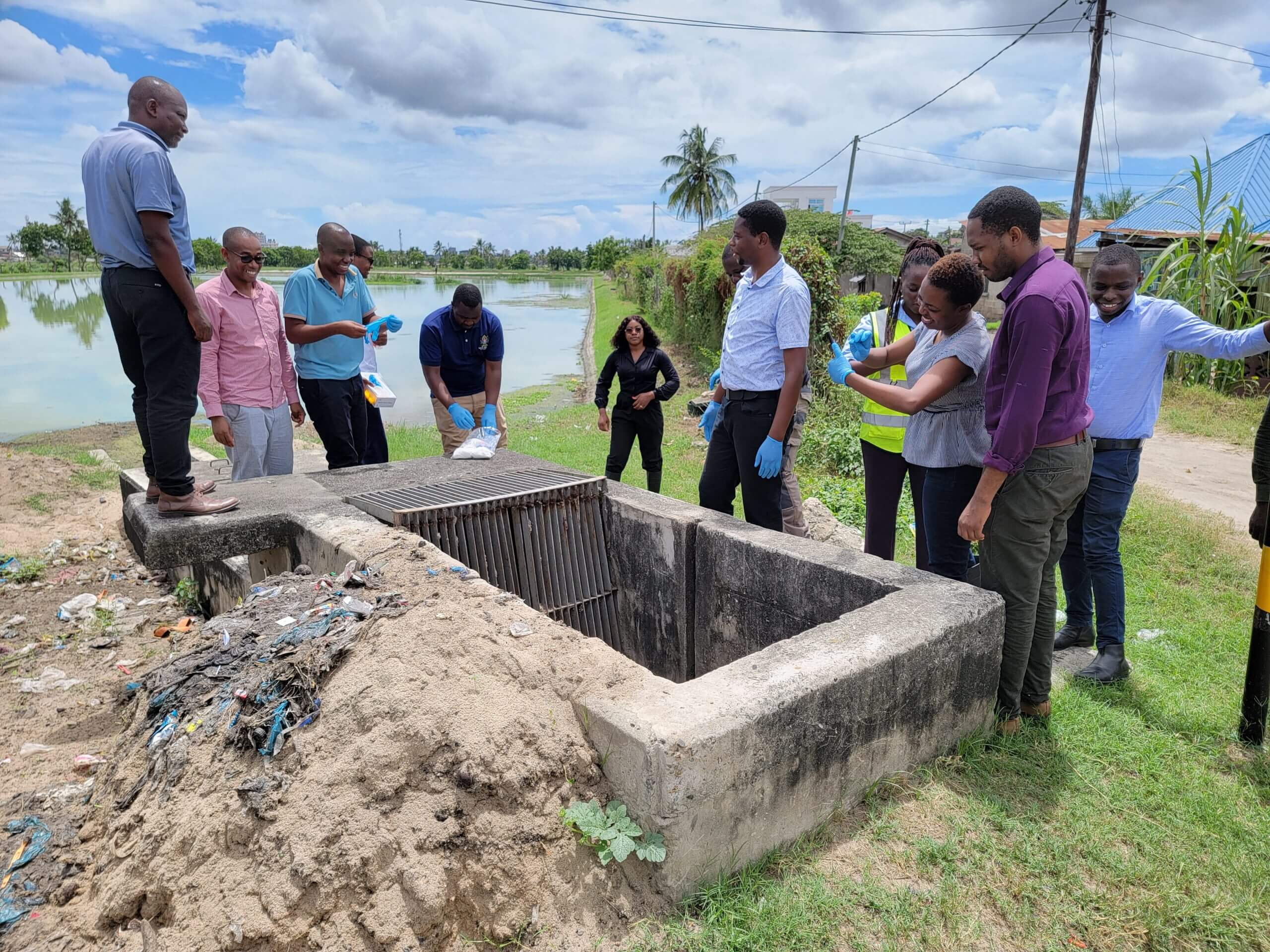
Implementation of a wastewater-based surveillance (WWBS) pilot project in Tanzania began in 2023 under the direction of the National Public Health Laboratory (NPHL), with support and collaboration from APHL and various Tanzanian Ministry of Health (MOH) departments. It is funded through the Global Fund’s Project STELLAR.

WWBS in Tanzania: No community left behind
WWBS has become an essential tool for early detection of diseases and outbreak monitoring. By analyzing wastewater, public health experts can spot rising infection trends before people even seek care, giving authorities a head start to act and protect communities.
In Tanzania, sampling sites were carefully selected to represent diverse urban and residential areas, factoring in population size, number of households, schools, health facilities and previous case data. This strategic approach ensures that the samples collected truly reflect the health of surrounding communities.
“Besides being cost-effective and non-invasive, WWBS also helps reach populations in areas where health services are still developing, ensuring no community is left behind,” said APHL Laboratory Technical Manager Emelesiana Magulu.
What’s ahead?
The program has lofty goals for the future, with an aim of establishing a sustainable WWBS system integrated into Tanzania’s national disease surveillance framework. The program plans to expand coverage to more sites and pathogens beyond COVID-19, and to have a WWBS dashboard within the MOH surveillance.
“Tanzania has made remarkable progress evolving from limited coordination to a well-structured, multi-partner system with regular updates and clear surveillance goals,” Magulu said. “The country’s commitment to expanding WWBS demonstrates its dedication to proactive public health protection and preparedness.”
This initiative strengthens early disease detection, supports timely interventions and ensures that even communities far from health facilities benefit from effective public health monitoring.
This blog post is part of a six-part series highlighting our work in partnership with the Global Fund. More stories from our global health wastewater surveillance series include:
- How Kenya Built a Wastewater-based Surveillance System: 6 Questions Answered
- Waste Not: Building a Wastewater Surveillance System in Zambia
- Eyes Below the Surface: Wastewater Surveillance Pilot Program in Uganda Shows Potential for Future Pandemic Monitoring
- Testing the Waters: Ethiopia Pilots a Wastewater Surveillance Program
- Wastewater-Based Surveillance Serves as Early Warning System in Mozambique