
Advancing Public Health Through Metagenomics: Kenya’s Collaborative Success Story
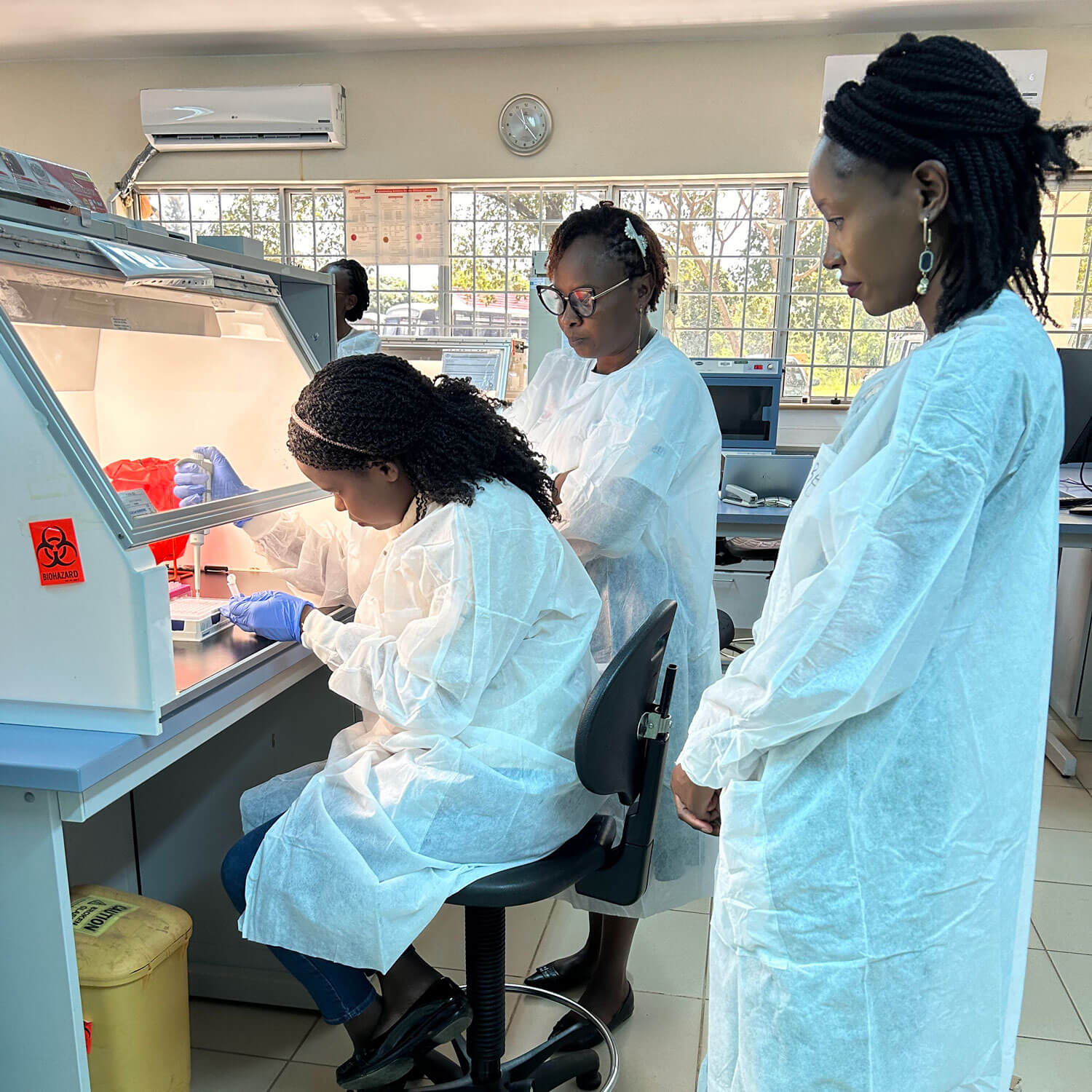
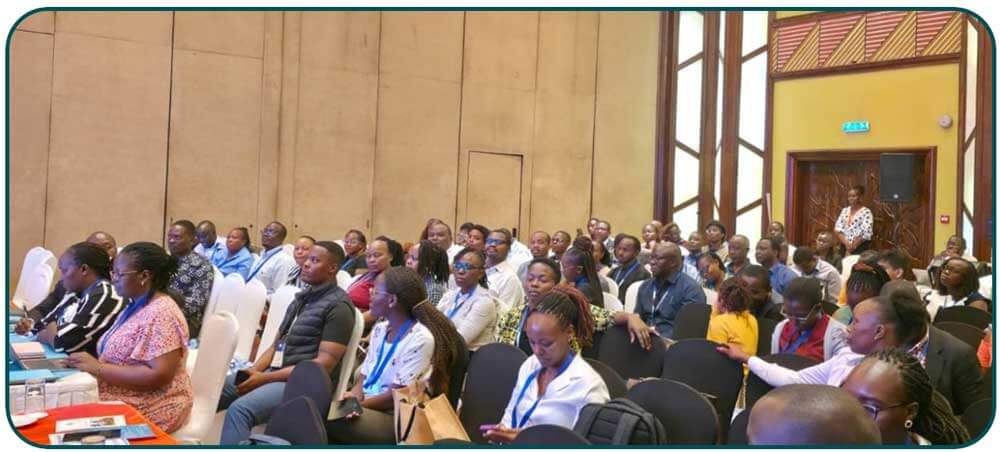
Delegates at the KASH 2016 mNGS symposium
Over the past two years, the US Centers for Disease Control and Prevention (CDC) has provided technical and financial support to APHL to implement Applied Science Hub (ASH) projects aimed at strengthening genomic surveillance and the use of metagenomics to address priority public health threats in Kenya.
By improving Kenya’s ability to rapidly detect, characterize and respond to emerging disease threats, CDC support is strengthening national preparedness and advancing global health security.
A cornerstone of this progress has been the convening of experts through two national symposiums focused on metagenomics. These gatherings—culminating in the 2026 Kenya Medical Research Institute Annual Scientific and Health (KASH) conference—brought together more than 150 participants from government, academia and industry. Far more than academic exchanges, these symposiums created a shared vision for how genomics can address complex health challenges across human, animal and environmental systems.
The impact of metagenomic next generation sequencing (mNGS) was evident across multiple fronts. In clinical care, the technology enabled the identification of a rare, life-threatening central nervous system infection in a 62-year-old patient—an outcome that would not have been possible using conventional diagnostics. In disease surveillance, mNGS proved invaluable in resolving undifferentiated febrile illnesses, helping detect and characterize threats such as mpox clade 1b. These advances underscore how metagenomics can close critical diagnostic gaps and support faster, more accurate outbreak response. Equally important has been the expansion of mNGS beyond human health. CDC-supported collaborations between Kenya, the Kenya Medical Research Institute (KEMRI) and the Wildlife Research and Training Institute demonstrated how nanopore-based sequencing can monitor transboundary health threats, reinforcing a One Health approach that recognizes the interconnectedness of people, animals, and ecosystems. The symposiums also highlighted the growing role of artificial intelligence in public health genomics. By integrating artificial intelligence (AI) into bioinformatics pipelines, long-standing data processing bottlenecks can be addressed, dramatically reducing the time from sample collection to actionable results. This acceleration is critical in outbreak settings, where every hour matters.
Underlying all these successes is a strong foundation of public-private partnership. Collaboration between government agencies, research institutions and industry partners has been instrumental in scaling technologies, sharing expertise and aligning priorities. The robust participation of private sector partners at the symposiums highlighted how these partnerships can accelerate innovation and ensure that cutting-edge tools are accessible and sustainable within national systems.
Looking ahead, Kenya’s path is clear. Priorities include standardizing mNGS workflows, mapping sequencing platforms across the country, strengthening data quality frameworks, and improving data-sharing governance. The vision is not just technological advancement, but a cohesive ecosystem where data, expertise, and infrastructure work seamlessly together.
Kenya’s experience demonstrates that metagenomics is more than a laboratory tool—it can be a catalyst for transforming public health. By bringing experts together, investing in partnerships, and embracing innovation, the country is building a resilient, future-ready health system.