.png?sfvrsn=a4dc1c5f_6)
Lab Scientists Under the Microscope: Meet Miriam Schachter
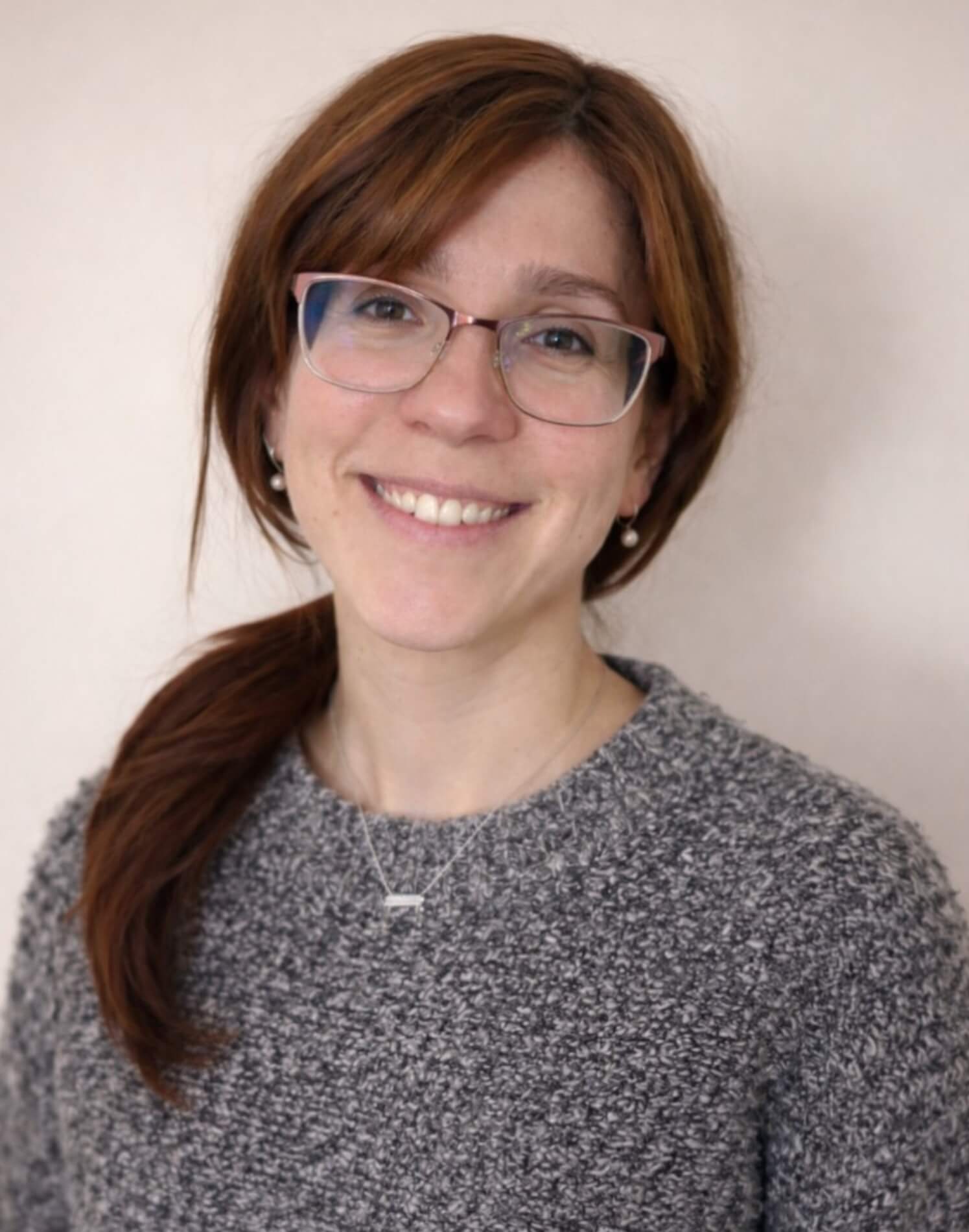
In celebration of Lab Week 2026, we’re putting names and faces to some of the thousands of public health laboratory professionals who work tirelessly behind the scenes protecting America’s health. In this special edition of “Lab Scientists Under the Microscope,” we’re focusing on APHL committee members, who serve the public and the organization as it turns 75.
Over the course of Lab Week, we’ll introduce you to some of these dedicated professionals and shed light on what led them to laboratory science, what they find most fulfilling about their jobs and what they wish people outside the lab knew about their roles.
Meet Miriam Schachter, Program Manager, Newborn Screening Laboratory, New Jersey Department of Health

How did you get interested in lab science?
My high school chemistry teacher did such a great job explaining science that it made me want to learn more. After his class, I looked for further science opportunities. I attended a science camp at the university in my town one summer, which was great—hands-on science for three weeks!
What’s the most fulfilling or exciting aspect of your job?
I run the New Jersey Newborn Screening Laboratory. The most fulfilling aspect is knowing that the samples we are testing today, and the results we are reviewing today, are going to change lives. At the end of each bloodspot is a baby and a family whose lives will forever be impacted by the lab tests we are running.
What jobs have you had outside the lab? Did any of them prepare you for lab work?
I worked in a youth group, and I’ve also worked as a part-time college professor. Both have taught me a lot about working with people and communication. It's not just what you do, but how you communicate it, and teaching, especially, has helped me develop better communication skills.
APHL turns 75 this year. What kind of impact do you think the organization has had on your lab? On your work as a lab scientist?
Personally, I got my start in public health because of APHL! I was the second public health laboratory newborn screening fellow, starting in the New Jersey Newborn Screening Laboratory in 2015. I didn't even know public health laboratory work and newborn screening were career options until I came across this fellowship opportunity, which was sent to me by a family friend. Once I started here, I was hooked and never left. APHL supports our work in so many ways—from guidance documents to committees to resources. It really turns our work into a collaborative effort and makes finding resources so much easier.
What is your committee role at APHL? How (and why!) did you get involved in committee work?
I'm on the Newborn Screening Molecular Subcommittee. My lab background was using molecular techniques, and I brought that with me to newborn screening. I have always been interested in how to bring that into the newborn screening setting and grow and expand it as a tool. Molecular testing has so much strength and can provide so much information, and it is fascinating to think about and apply it at the population level. I love taking what I know and sharing it with others while also learning from others, so I love being on the committee.
Laboratory work is often invisible. What’s one thing you wish the average person knew about public health laboratory work?
I wish people knew that we existed! I wish people knew that lab technicians are testing lab samples every day to ensure the safety of the public.
You’re speaking to a high school science class about public health laboratory work. What are some things you are sure to tell them?
I would tell them that the work we do impacts lives every single day. From saving babies to testing for flu and ticks, we are making sure people stay healthy and safe through our laboratory work. I’d also tell them to think big when it comes to considering a career in laboratory science. Most people think of lab work as discovering new diseases or therapeutics, but there is so much more to lab work than that!