On November 2, 2026, all links to Lab Matters articles published before 2026 on the Joomag platform will expire! Contact us if you need access to a specific article that will soon be unavailable online.

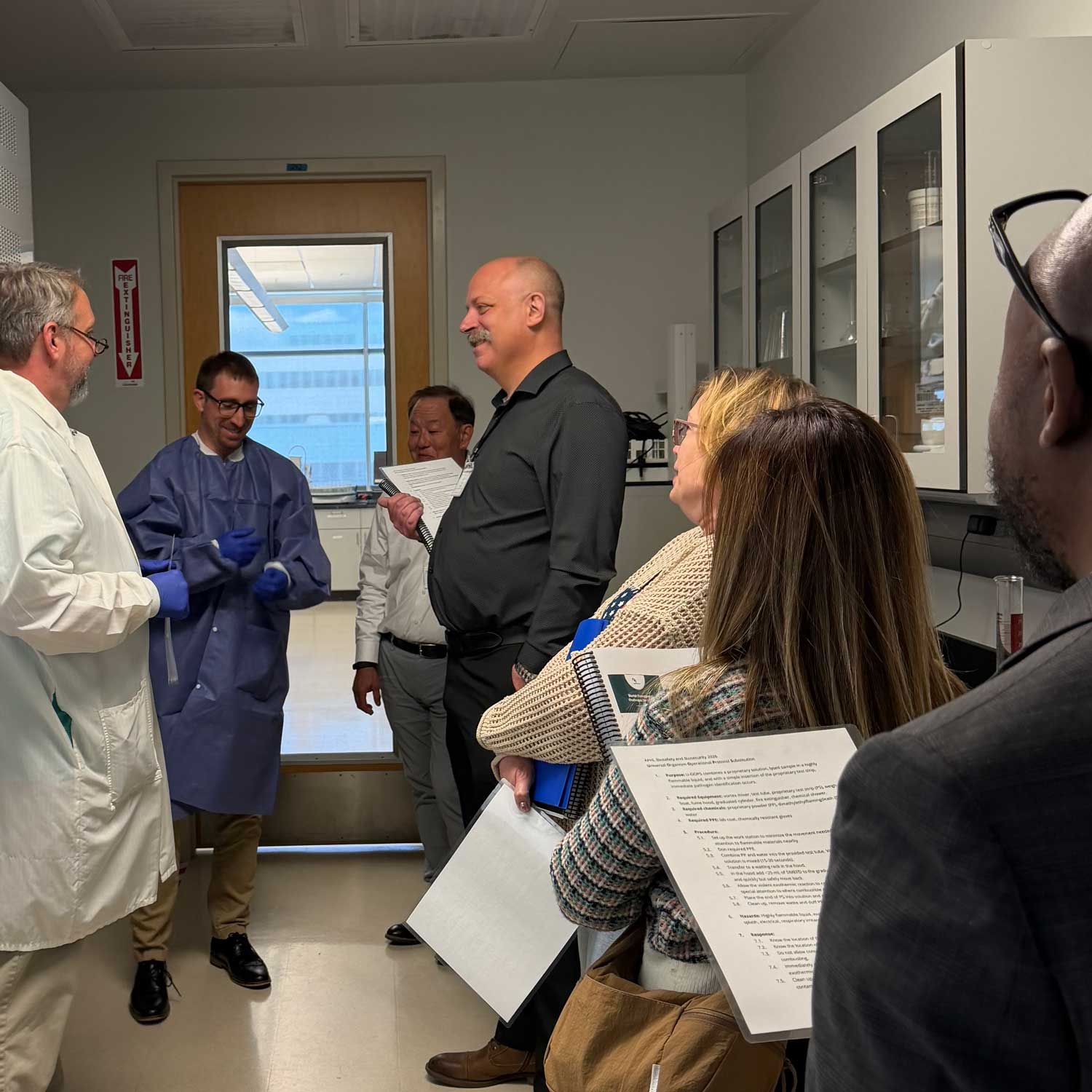
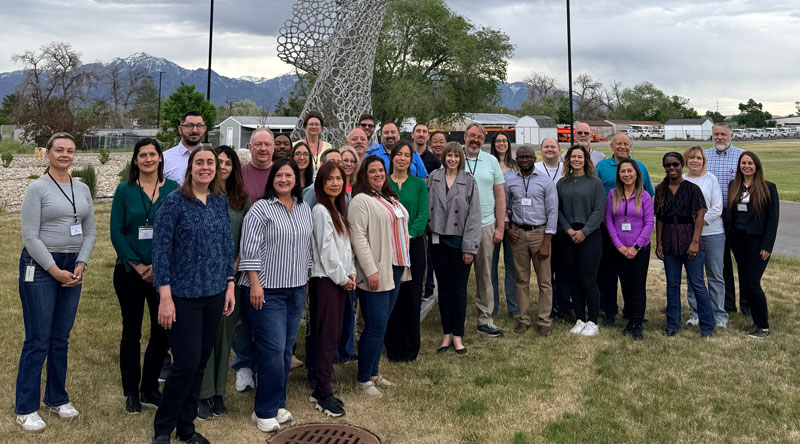
Biosafety professionals from 25 public health laboratories across the country gathered at the Utah Public Health Laboratory in Taylorsville, Utah, for APHL’s Biorisk Management Workshop, May 19-21. Supported with funding from the US Centers for Disease Control and Prevention (CDC), this three-day workshop provided biosafety professionals with training on the principles of biorisk management, highlighting the integration of quality, biosafety and biosecurity through interactive exercises, real-world case studies and peer learning.
The workshop agenda was built around the findings and lessons learned through the APHL/CDC ISO 35001: Biorisk Management for Laboratories implementation project. The insights gained from working with public health laboratories implementing the standard helped shape agenda topics that addressed common challenges and provided practical strategies, tools and examples that participants could apply within their own organizations.
Sessions focused on leadership engagement, risk assessment, workforce competency, biosecurity, performance evaluation and continual improvement while emphasizing how quality management principles can strengthen biosafety and biosecurity programs. Participants also explored topics such as artificial intelligence, automation and cybersecurity, while discussing how these evolving technologies influence modern laboratory risk management.
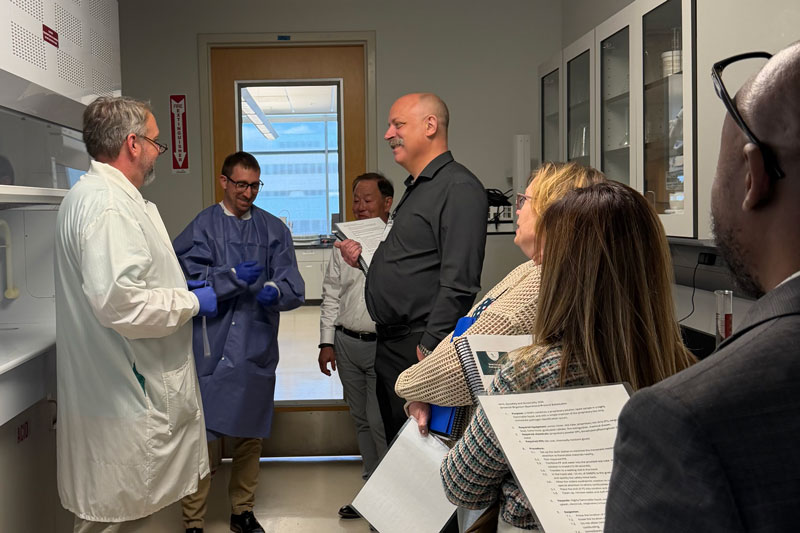
The workshop emphasized active learning through case studies, small-group discussions and hands-on exercises. Participants shared challenges, evaluated solutions and learned from one another’s experiences. This collaborative setting allowed attendees to connect with peers dealing with similar challenges and exchange approaches to overcome them.
At the conclusion of the workshop, participants provided their feedback through exit tickets, highlighting their commitment to begin discussions with leadership about implementing ISO 35001 principles or strengthening their existing biorisk management programs. Participants also identified a need to improve risk assessments, enhance incident reporting, review emergency drills, expand biosecurity practices and incorporate APHL biosafety resources into their programs.
This feedback highlights participant dedication to making continual improvements within their biorisk management programs, further emphasizing the importance of ongoing education and training initiatives.
While participants valued the resources and discussions, they also identified opportunities for additional training. Requests included additional guidance on implementing ISO 35001, peer network opportunities and advanced training on topics such as biosecurity risk assessments, leadership engagement and integrating quality and safety into a unified system. These recommendations will help shape future APHL biosafety training opportunities and resources.
As public health laboratories continue to navigate complex challenges, building resilient biorisk management systems has never been more important. By translating lessons learned from the APHL/CDC ISO 35001 implementation project into practical training and peer-to-peer learning, APHL’s Biorisk Management Workshop equipped biosafety professionals with strategies to strengthen laboratory resilience, improve risk mitigation and foster a culture where biosafety and biosecurity are integrated into everyday laboratory operations.
Contact [email protected] for more information on the APHL/CDC ISO 35001 Implementation Project or other biorisk management trainings.