On November 2, 2026, all links to Lab Matters articles published before 2026 on the Joomag platform will expire! Contact us if you need access to a specific article that will soon be unavailable online.

Investment in outreach pays dividends. Financial resources injected into the Laboratory Response Network for Chemical Threats (LRN-C) do not merely maintain facilities. They fundamentally cultivate partnerships, strengthen regional emergency preparedness and drive overall operational readiness. Because public health threats do not happen in isolation, the primary return-on-investment metric is an LRN-C’s level of emergency responsiveness—translating public health dollars into saved lives and averted economic catastrophes. Investing in targeted outreach yields a ready-to-act community framework long before a crisis occurs.
A critical return on LRN-C funding is the mitigation of systemic fragmentation across responding agencies. Effective chemical threat response cannot rely on a single entity. The LRN-C assets serve as a common core linking diverse public and hidden networks. These partners include:
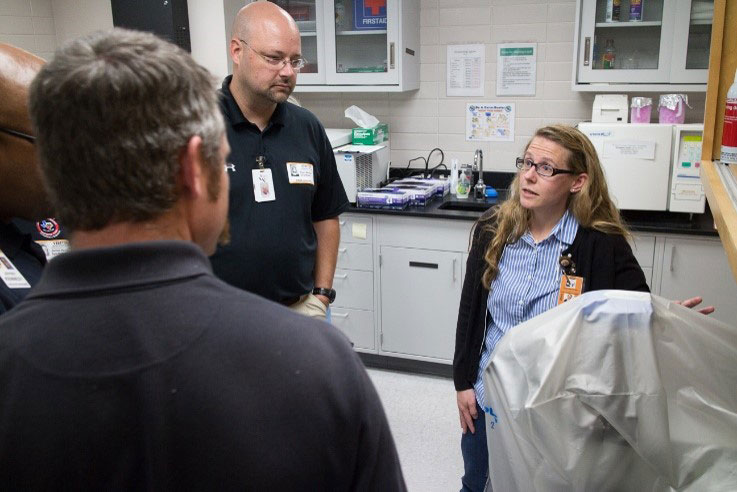
A localized approach is needed because a “one size fits all” strategy fails to meet the needs of all jurisdictions. Chemical threat laboratories and municipal hazmat teams vary drastically in their equipment and regional needs. Programs are strengthened by partnerships from an expansive web of disciplines. Coordination reduces operational friction because relationships are built-in blue-sky days with training and exercises.
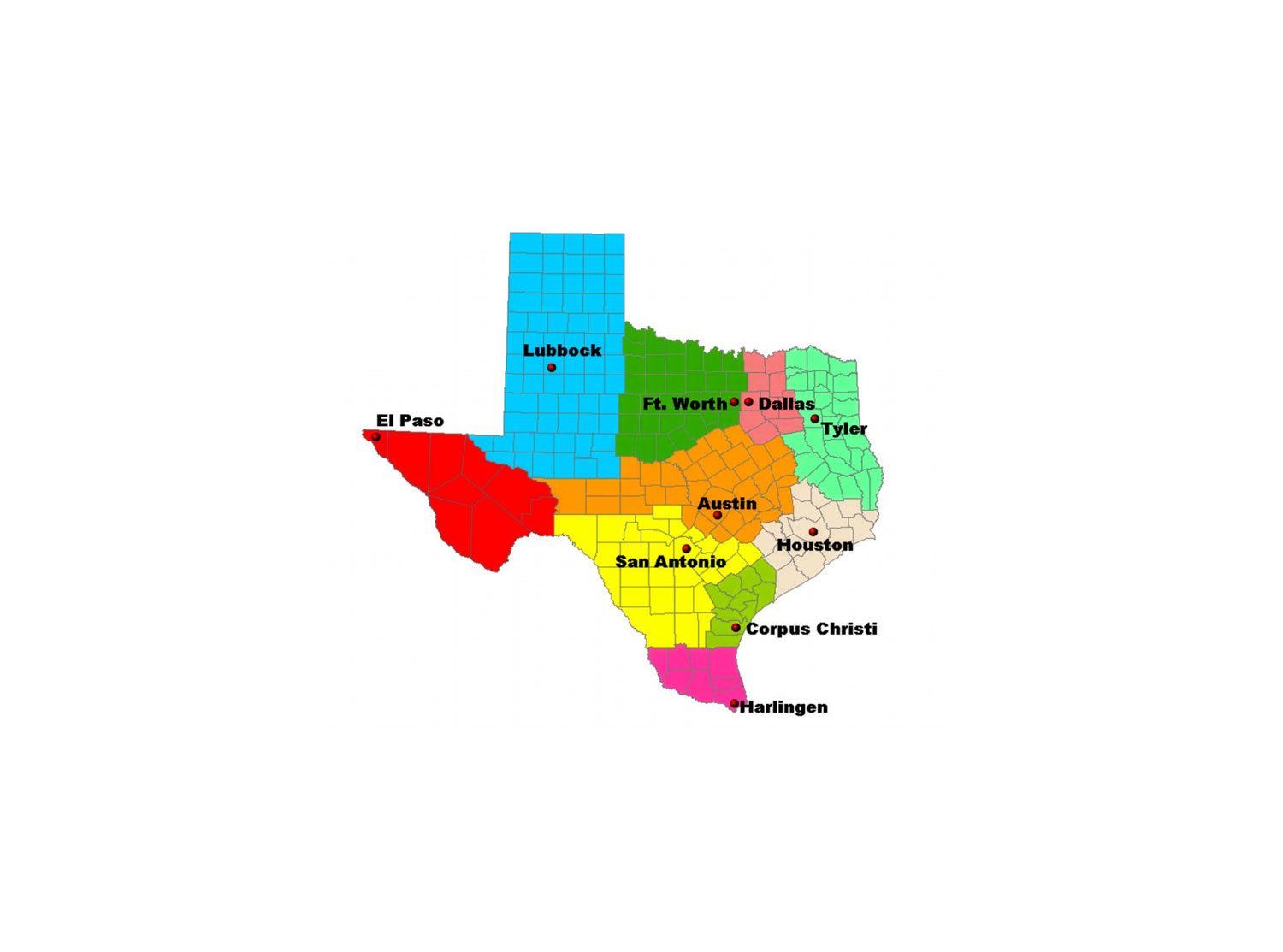
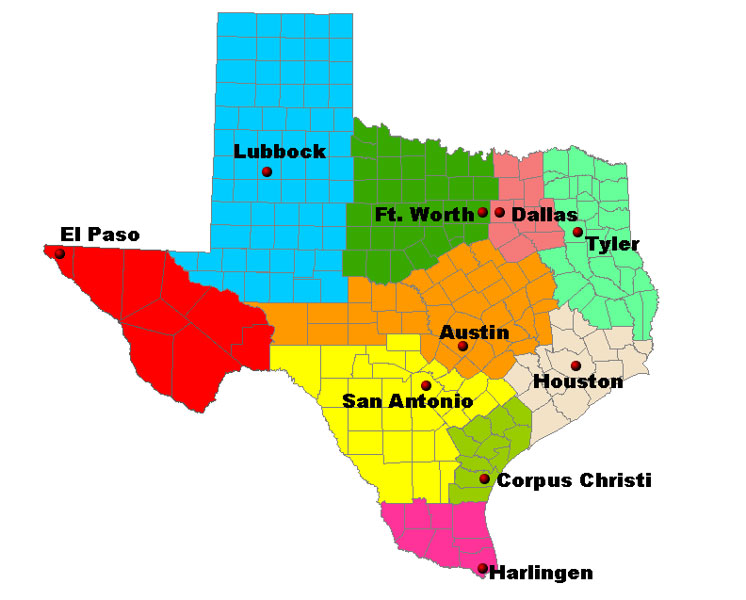
The Texas LRN-C program, along with the Texas LRN-B programs, has an outreach model that has evolved over the last 12 years. In the early days, it was centered exclusively at the public health laboratory in Austin and offered one-way knowledge sharing encompassing lectures and demonstration of analytical testing. Today, the program is dynamic and far-reaching, expanding into the Texas Laboratory Response Network across the state. Across the major metropolitan centers, scientists are out of the laboratory conducting training and participating in exercises. Innovations over the years resulted in bidirectional learning, hands-on practicing and multi-jurisdictional cooperation. Continued outreach investments ensure relationships and relevance remain as position turnover impacts agencies.
Data tracking the program from 2014 to the present highlights its massive systemic value and tangible output across the state. Value cannot be determined by sample numbers alone but by reach-backs and technical assistance requests of first responders throughout the major metropolitan centers. The Texas LRN-C program has participated in more than 100 training sessions and six multi-agency emergency exercises, involving more than 1,000 emergency responders and members of the Texas LRN Network. These outreach efforts have led to more than 150 official reach-backs and technical assistance requests, alongside the processing of both environmental and clinical samples as part of responses. This program has been made stronger by offering continuing education units for EMS and trauma systems when appropriate.
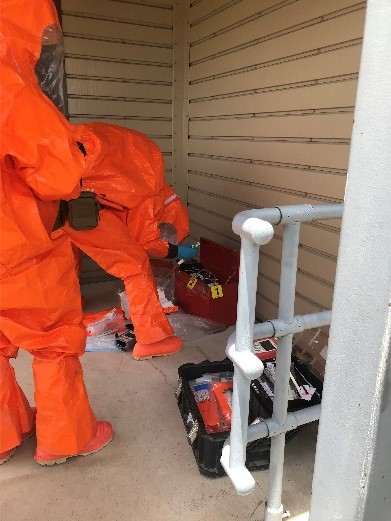
The practical success of these outreach efforts can be highlighted by hazmat teams in Harris County reaching out for assistance with elemental mercury in a local residence involving children, or Dallas County in the wake of a server room fire where there were heavy metal exposures and first responder hospitalizations. With monetary investments in updated equipment and technologies into the Texas LRN-C program, response capabilities were increased. This is best highlighted by a response involving an unknown substance later confirmed to be cocaine.
Through continuous planning, organizing, training, evaluating and innovating, LRN-C outreach in Texas, along with the LRN-B members of the Texas LRN Network, ensure that first responders never have to meet the laboratory for the first time during an active emergency, no matter where they are located in the Lone Star State.
