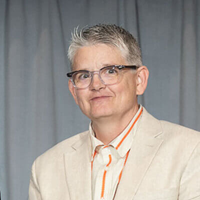
Bind serves as program manager of the NJ Department of Health Biomonitoring and Exposure Assessment Program. He is a co-founder of the NJ Biomonitoring Program (NJB) and the Prenatal Lead and Mercury Screening Program. This landmark initiative screens expectant mothers and newborns in high-risk communities for toxic metals while providing critical interventions and support. Through persistent outreach, education, and strategic partnership-building, Bind established a groundbreaking collaboration with Rutgers Health at University Hospital in Newark, making prenatal screening for lead and mercury a standard of care. He strategically leveraged the existing capabilities of multiple partners, including NJ Poison Control and local health departments, to maximize program impact and sustainability. Since its inception in 2019, the program has analyzed over 30,000 samples from ~20,000 pregnant women and newborns. Through screening and targeted education, the program has achieved significant reductions in blood lead and mercury levels at both individual and population levels. Nearly 2,000 patients with elevated levels have received treatment or intervention through education and behavioral modification. Individual case studies demonstrated remarkable outcomes, including reductions exceeding 90% in maternal mercury levels and over 50% reductions in lead levels between siblings born one year apart.
Bind continues expanding the program by partnering with hospitals in NJ cities with diverse populations and environmental risk factors. After five years of persistent relationship-building, Capital Health near Trenton finalized partnership agreements, with program launch scheduled for February 2026. St. Peters University Hospital in New Brunswick began collections in January 2026, screening 1,000 pregnant individuals as a Quality Improvement Project informing policy for establishing standard-of-care protocols. Influence on Policy and International Dialogue The work conducted by Bindand the NJB team has significantly influenced state, national, and international dialogue on prenatal screening and the mercury crisis. The prenatal screening data directly informed the final version of the prenatal screening bill (A4848/S3616) passed by the NJ legislature on December 18, 2025. His presentations have inspired organizations worldwide, including hospital networks in other states and internationally, including Nigeria, to implement similar models.
As a member of the APHL Environmental Health Committee for six years, Bind has led mercury position statements, biomonitoring position implementation, and elemental workgroups. A call to action on mercury that he co-authored was featured by the United Nations Environmental Programme. He currently serves on APHL Global Health Committee, raising awareness of international implications of biomonitoring work, and actively collaborates with other states on awareness and risk-reduction regarding mercury in skin-lightening products.
Over the past five years, Bind has conducted hundreds of presentations at conferences and community meetings, raising awareness about harmful chemical exposures and evidence-based reduction strategies, and trained thousands of medical providers, community and public health workers through various venues. Following his presentations, NJDOH Communications partnered with NJB to launch a statewide mercury awareness campaign in 2026, and multiple NJ agencies formed a collaborative working group to develop comprehensive solutions. Rutgers Health and Hackensack Meridian Health Network committed to program expansion through future grant funding. Most recently, he launched a groundbreaking community-based approach to reduce prenatal exposures by developing a program that brings screening and education directly to communities.
Bind demonstrates exemplary leadership in cultivating the next generation of public health professionals. Over the past three years, he has mentored more than a dozen fellows and associates, providing comprehensive training across all facets of biomonitoring, such as program planning, implementation, sample collection and analysis, data interpretation, community outreach, and policy translation. Multiple fellows have been successfully recruited into permanent NJDOH positions, directly strengthening our laboratory capacity. The exceptional contributions from Eric exemplify the highest standards of innovation, leadership, and dedication in public health laboratory science. He has transformed prenatal biomonitoring from concept to standard-of-care practice, directly protecting thousands of mothers and newborns from toxic exposures. His work has yielded measurable health outcomes, influenced state legislation, informed national policy, and inspired international action. His strategic approach to partnership development, community engagement, and workforce mentorship ensures long-term program sustainability.