Citizen Science Quality Assurance Toolkit
Citizen science uses the collective strength and knowledge of the public to answer environmental and public health questions. With the right support, guidance and quality assurance, citizen science can help maximize resources and community knowledge while expanding public engagement and scientific knowledge.
Contact the Environmental Health team: [email protected]

About Citizen Science
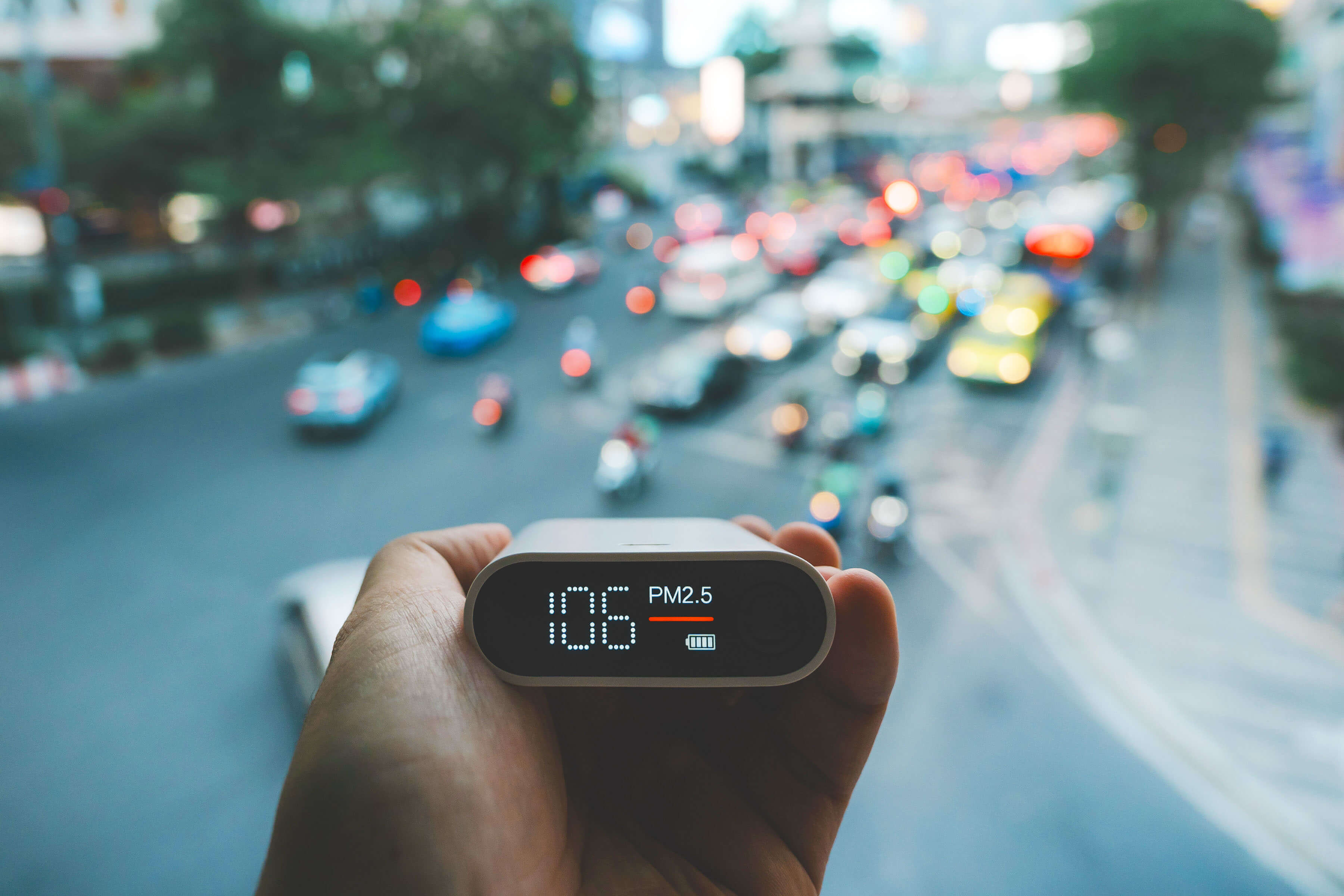
Citizen science—also known as community science, volunteer monitoring and public participation in scientific research, among other terms—uses the collective strength and knowledge of the public to gather and analyze data to answer environmental and public health questions.
Beyond Traditional Science Communities
Answering these questions has long been the responsibility of federal, state, local and tribal agencies and laboratories, but citizen science provides a gateway for the public to do this independently, or to contribute to and collaborate with these and other organizations. Meanwhile, government agencies are recognizing that citizen science can help to maximize resources and community knowledge while expanding public engagement and scientific knowledge. Collaborative citizen science projects can be initiated by either the agency or citizen science groups.
The Importance of Collaboration and Quality Assurance in Citizen Science
A goal of the scientific process is to produce unbiased, transparent and reproducible data, regardless of who is doing the work and when it is occurring; for citizen-generated data to have a meaningful impact, quality assurance during data gathering is critical. Citizen science groups need to systematically plan, carry out and document their project through a quality assurance project plan, which provides the framework to produce high-quality data, increasing the chance they can be used for their intended purpose and maximum impact.
To help meet this need, the US Environmental Protection Agency (EPA) created the Quality Assurance Handbook and Guidance Documents for Citizen Science Projects (EPA QA Handbook).
The EPA QA Handbook provides a framework for citizen science groups to follow, but the project is best positioned to reach its goals when it is conducted in collaboration with environmental and scientific professionals. When citizen science groups develop and follow a project plan in collaboration with government and other professional scientific organizations, the chances are increased that the data will be of known quality and the projects will meet their goal of informing environmental education, research and policy in their community.
Citizen Science Quality Assurance Resources
To make project plan development more straightforward, APHL and EPA have developed several resources to facilitate the use of the EPA QA Handbook by both citizen science groups and state and local environmental and public health agencies and laboratories, known collectively as the Citizen Science Quality Assurance Toolkit.
Resources for Government Agencies
Citizen science provides an opportunity for government agencies to expand data collection efforts in collaboration with community members to answer environmental and public health questions. Citizen science encompasses a wide variety of projects—from community science activities to public participation in scientific research. One of the best ways government agencies may contribute to these projects is to provide quality assurance guidance so the project data can be used for their intended purpose. Use the resources below to help make this possible.